THE ADVENTURE COLLECTIVE® · Independent discovery and booking for outdoor travel

Spend 1–2 days from Ulaanbaatar exploring Terelj’s granite outcrops and Khustai’s rolling steppe, where the Przewalski horse (Takhi) roams. This ger-camp itinerary blends short hikes, horse rides, cultural stops, and wildlife viewing with easy logistics.
Spend 1–2 days from Ulaanbaatar exploring Terelj’s granite outcrops and Khustai’s rolling steppe, where the Przewalski horse (Takhi) roams. This ger-camp itinerary blends short hikes, horse rides, cultural stops, and wildlife viewing with easy logistics.
Wind off the steppe hits first — cold, clear, and honest — as the road climbs away from Ulaanbaatar toward granite ribs of Terelj and the open grasslands of Khustai.
Verified experiences and guided adventures in the surrounding area.
Operated by Nymtemuulen Khaltar · Ulaanbaatar, Ulaanbaatar
Wind off the steppe hits first — cold, clear, and honest — as the road climbs away from Ulaanbaatar toward granite ribs of Terelj and the open grasslands of Khustai.
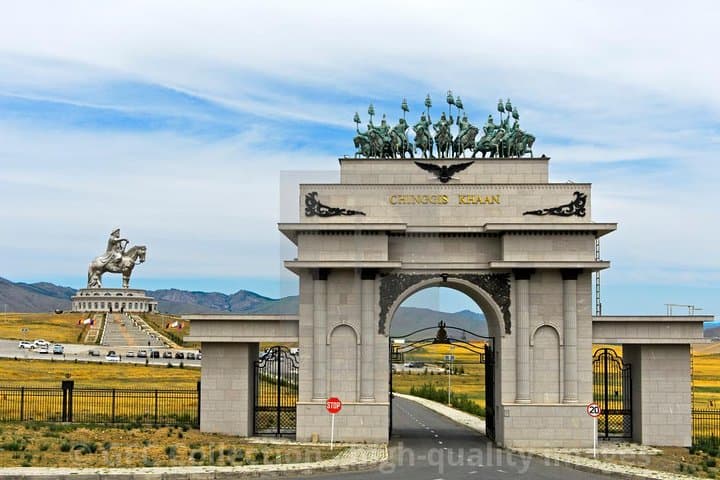
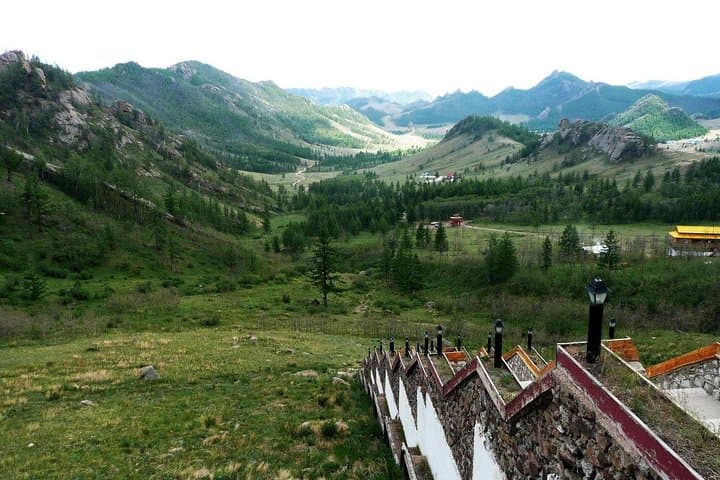
On day one the tour cuts through riparian lowlands to the Genghis Khan statue complex, a stainless-steel monument that overlooks the Tuul River and a panorama of moors; farther on, Khustain Nuruu opens as rolling steppe where the Takhi, the world’s last truly wild horse, graze in small bands. Day two brings pine-fringed valleys, Aryabal’s restored meditation temple, and the granite bulge known as Turtle Rock — short hikes, horse rides, and easy photo stops threaded with Mongolian pastoral life.
Geology here is straightforward: rounded granite tors meet wind-polished steppe and river terraces formed in the rain-shadow of central Asian ranges. Culturally, the region mixes Buddhist revival sites with nomadic herding traditions — ger camps offer a direct line to modern nomad hospitality.
Expect short walks (30–90 minutes), gentle elevation changes, and dusty service roads; terrain varies from grassland to rocky outcrop and pine understory. Practicalities: leave Ulaanbaatar early to avoid afternoon traffic, pack windproof layers, and bring small bills for local stalls. Wildlife viewing is best at dawn and dusk; binoculars improve every sighting.
This trip pairs low technical demand with high sensory payoff — open skies, sudden granite cliffs, and the rare, patient Takhi — making it an attainable steppe classic for travelers wanting close-to-nature Mongolia in just 1–2 days.
easy.
1–2 days.
Light fitness required: able to walk 1–3 miles over uneven ground and mount a horse for short rides if desired
Terelj sits roughly 60 km from downtown Ulaanbaatar and the Genghis Khan statue complex about 50–60 km; Khustai is a similar one- to two-hour drive depending on road conditions.
Sightings are common in Khustai but not guaranteed; early morning or late afternoon drives and a patient approach increase chances.
Yes — the itinerary includes an overnight stay at a ger camp with local food; facilities are basic but comfortable.
Yes — the tour is described as suitable for all fitness levels with short walks and optional horse rides; inform the operator of any mobility needs ahead of booking.
Khustai is a flagship reintroduction site for the Przewalski horse; the Genghis Khan statue marks Tsonjin Boldog, a historic riverside site tied to national legend and modern monument-making.
Both parks are managed to balance tourism with habitat protection — keep to trails, avoid feeding wildlife, and follow guide instructions to minimize disturbance.
Nymtemuulen Khaltar operates guided outdoor trips and adventures with an emphasis on safety, stewardship, and memorable experiences.
Wind off the steppe hits first — cold, clear, and honest — as the road climbs away from Ulaanbaatar toward granite ribs of Terelj and the open grasslands of Khustai.
Wind off the steppe hits first — cold, clear, and honest — as the road climbs away from Ulaanbaatar toward granite ribs of Terelj and the open grasslands of Khustai.
On day one the tour cuts through riparian lowlands to the Genghis Khan statue complex, a stainless-steel monument that overlooks the Tuul River and a panorama of moors; farther on, Khustain Nuruu opens as rolling steppe where the Takhi, the world’s last truly wild horse, graze in small bands. Day two brings pine-fringed valleys, Aryabal’s restored meditation temple, and the granite bulge known as Turtle Rock — short hikes, horse rides, and easy photo stops threaded with Mongolian pastoral life.
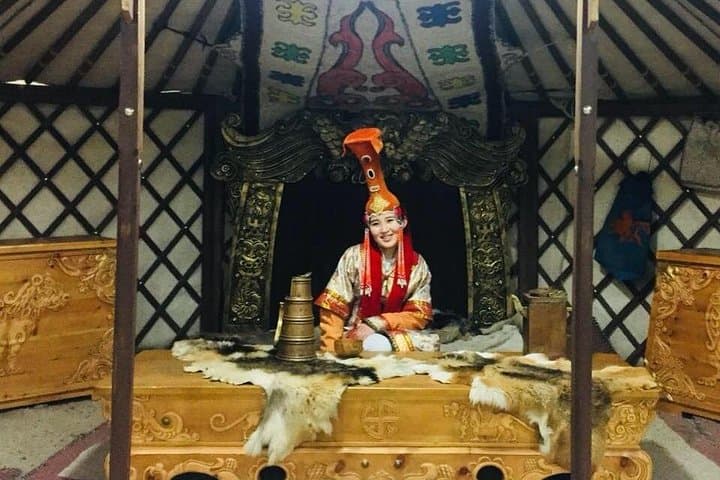
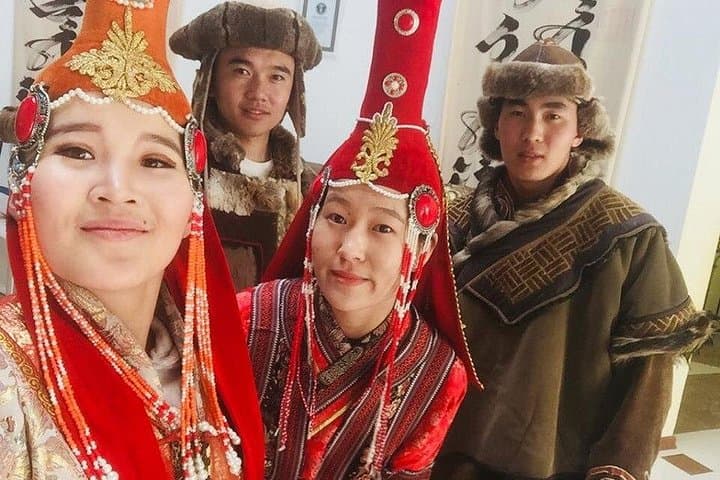
Geology here is straightforward: rounded granite tors meet wind-polished steppe and river terraces formed in the rain-shadow of central Asian ranges. Culturally, the region mixes Buddhist revival sites with nomadic herding traditions — ger camps offer a direct line to modern nomad hospitality.
Expect short walks (30–90 minutes), gentle elevation changes, and dusty service roads; terrain varies from grassland to rocky outcrop and pine understory. Practicalities: leave Ulaanbaatar early to avoid afternoon traffic, pack windproof layers, and bring small bills for local stalls. Wildlife viewing is best at dawn and dusk; binoculars improve every sighting.
This trip pairs low technical demand with high sensory payoff — open skies, sudden granite cliffs, and the rare, patient Takhi — making it an attainable steppe classic for travelers wanting close-to-nature Mongolia in just 1–2 days.