THE ADVENTURE COLLECTIVE® · Independent discovery and booking for outdoor travel

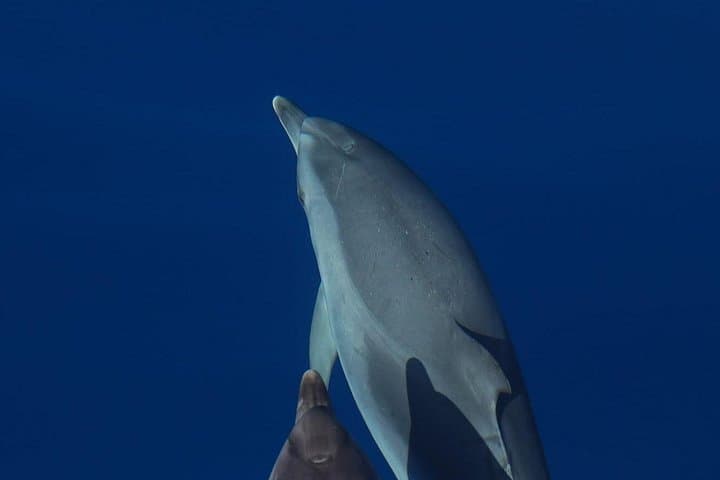
Set out from Angra do Heroísmo for a private 3–4 hour boat tour to Ilhéus das Cabras, where basalt islets, hydrophone whale song and frequent dolphin encounters make for a high-probability wildlife outing. Expect a short, wildlife-focused cruise with local guides, wind jackets provided, and the option to swim if sea conditions permit.
Set out from Angra do Heroísmo for a private 3–4 hour boat tour to Ilhéus das Cabras, where basalt islets, hydrophone whale song and frequent dolphin encounters make for a high-probability wildlife outing. Expect a short, wildlife-focused cruise with local guides, wind jackets provided, and the option to swim if sea conditions permit.
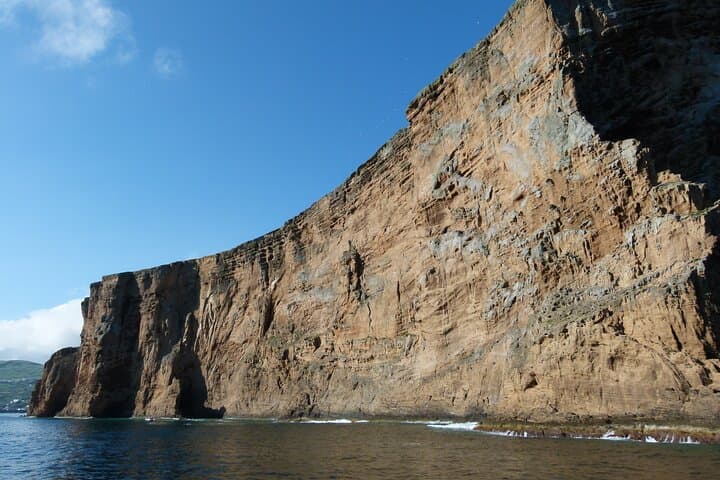
The boat slips from Angra’s harbor with the island shrinking behind you and the Atlantic taking the lead. A low wind pushes the hull; spray tastes of salt and basalt. Ilhéus das Cabras rise ahead as dark, rugged teeth — waves test their flanks and seabirds wheel and dare you closer. On calm days a hydrophone threads whale song into the cabin, making the unseen giants audible beneath the surface.
Verified experiences and guided adventures in the surrounding area.
Operated by OceanEmotion · Angra do Heroísmo, Azores
The boat slips from Angra’s harbor with the island shrinking behind you and the Atlantic taking the lead. A low wind pushes the hull; spray tastes of salt and basalt. Ilhéus das Cabras rise ahead as dark, rugged teeth — waves test their flanks and seabirds wheel and dare you closer. On calm days a hydrophone threads whale song into the cabin, making the unseen giants audible beneath the surface.
Geology here is blunt and recent: Terceira is volcanic, its coast carved by lava flows and marine erosion; the islets are hardened remnants of ancient eruptions that now host rich tidal life. Culturally, Terceira's ports have long balanced fishing, farming and maritime hospitality; local guides bring both island lore and practical seamanship to the trip.
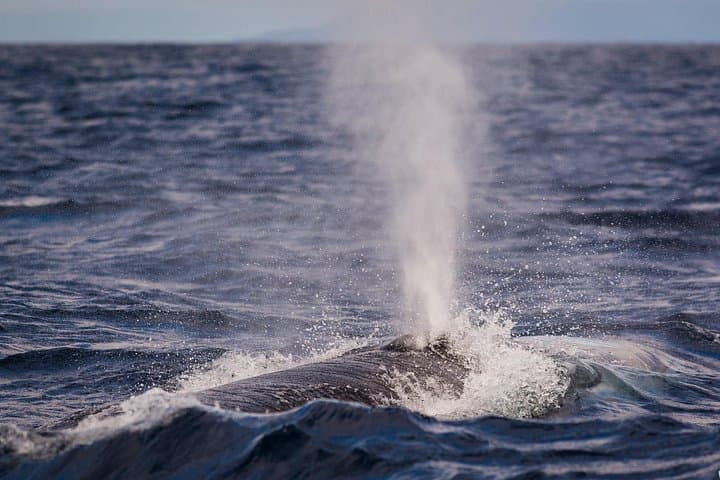
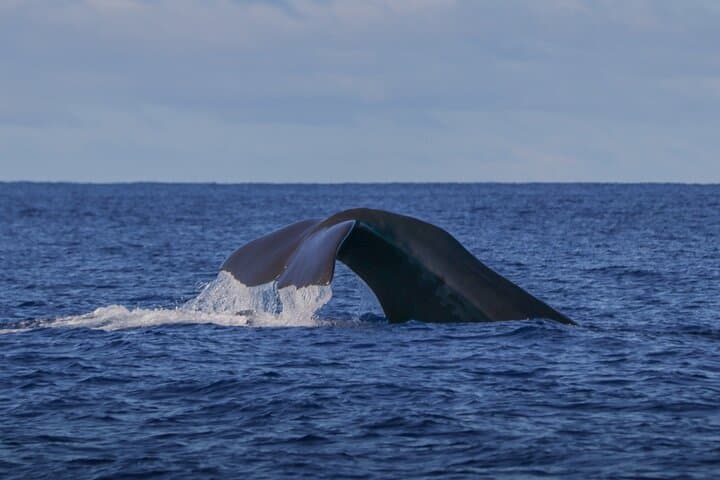
Expect focused wildlife watching rather than a long cruise: the operator runs private small-boat outings (about 3–4 hours) with a spotter, hydrophone and wind jackets provided. Sightings are common — the Azores record nearly a third of the world’s cetacean species — but conditions dictate what you see. Ilhéus das Cabras is a protected area; visits emphasize observation and low-impact behavior, and there's often a chance to jump in clear water near the islets if sea state allows.
Practical tips: dress in layered, windproof clothing, bring motion-sickness remedies and binoculars, secure cameras and a waterproof bag, and time trips for morning light and calmer seas. Operators may cancel for safety; when the ocean speaks loudly, patience is the best companion.
easy.
3–4 hours.
Basic mobility and ability to board a small boat; suitable for most fitness levels.
The operator advertises a high sighting rate and may offer a guarantee, but sightings depend on sea state and animal movement; trips may be rescheduled or refunded if conditions prevent safe operation.
Swimming is sometimes permitted near the islets if the crew judges sea and weather safe; expect strong currents and follow crew instructions closely.
Yes—infant seats are available and the trip is rated easy physically, but children must be supervised and may be sensitive to motion and noise.
Operators may cancel for safety; the listing allows cancellations for bad weather and low passenger counts with refund rules outlined in the booking policy.
Terceira's coasts and islets formed from volcanic eruptions over the last several hundred thousand years; the island has long been a stop for Atlantic navigators and a center for Azorean culture.
Ilhéus das Cabras lie within protected marine areas; operators follow local rules to minimize disturbance, and visitors are encouraged to use reef-safe sunscreen and avoid littering.
OceanEmotion operates guided outdoor trips and adventures with an emphasis on safety, stewardship, and memorable experiences.
The boat slips from Angra’s harbor with the island shrinking behind you and the Atlantic taking the lead. A low wind pushes the hull; spray tastes of salt and basalt. Ilhéus das Cabras rise ahead as dark, rugged teeth — waves test their flanks and seabirds wheel and dare you closer. On calm days a hydrophone threads whale song into the cabin, making the unseen giants audible beneath the surface.
The boat slips from Angra’s harbor with the island shrinking behind you and the Atlantic taking the lead. A low wind pushes the hull; spray tastes of salt and basalt. Ilhéus das Cabras rise ahead as dark, rugged teeth — waves test their flanks and seabirds wheel and dare you closer. On calm days a hydrophone threads whale song into the cabin, making the unseen giants audible beneath the surface.
Geology here is blunt and recent: Terceira is volcanic, its coast carved by lava flows and marine erosion; the islets are hardened remnants of ancient eruptions that now host rich tidal life. Culturally, Terceira's ports have long balanced fishing, farming and maritime hospitality; local guides bring both island lore and practical seamanship to the trip.
Expect focused wildlife watching rather than a long cruise: the operator runs private small-boat outings (about 3–4 hours) with a spotter, hydrophone and wind jackets provided. Sightings are common — the Azores record nearly a third of the world’s cetacean species — but conditions dictate what you see. Ilhéus das Cabras is a protected area; visits emphasize observation and low-impact behavior, and there's often a chance to jump in clear water near the islets if sea state allows.
Practical tips: dress in layered, windproof clothing, bring motion-sickness remedies and binoculars, secure cameras and a waterproof bag, and time trips for morning light and calmer seas. Operators may cancel for safety; when the ocean speaks loudly, patience is the best companion.