THE ADVENTURE COLLECTIVE® · Independent discovery and booking for outdoor travel

Board a small boat from Angra do Heroísmo and cross to Ilhéus das Cabras for a full-day marine adventure—whale watching, a supervised dolphin swim, and coastal exploration under Azorean skies. Expect a safety briefing, snorkeling gear, and variable seas.
Board a small boat from Angra do Heroísmo and cross to Ilhéus das Cabras for a full-day marine adventure—whale watching, a supervised dolphin swim, and coastal exploration under Azorean skies. Expect a safety briefing, snorkeling gear, and variable seas.
You step off the quay in Angra do Heroísmo as the harbor exhales salt and history. The boat slips into a green-blue Atlantic that feels both patient and eager—currents nudging the hull, gulls scouting like sentries. Within minutes the island’s volcanic flank falls away into cliffs and, beyond them, the dark silhouettes of Ilhéus das Cabras rise: twin islets cut from old lava, daring you closer.
Verified experiences and guided adventures in the surrounding area.
Operated by OceanEmotion · Angra do Heroísmo, Azores
You step off the quay in Angra do Heroísmo as the harbor exhales salt and history. The boat slips into a green-blue Atlantic that feels both patient and eager—currents nudging the hull, gulls scouting like sentries. Within minutes the island’s volcanic flank falls away into cliffs and, beyond them, the dark silhouettes of Ilhéus das Cabras rise: twin islets cut from old lava, daring you closer.
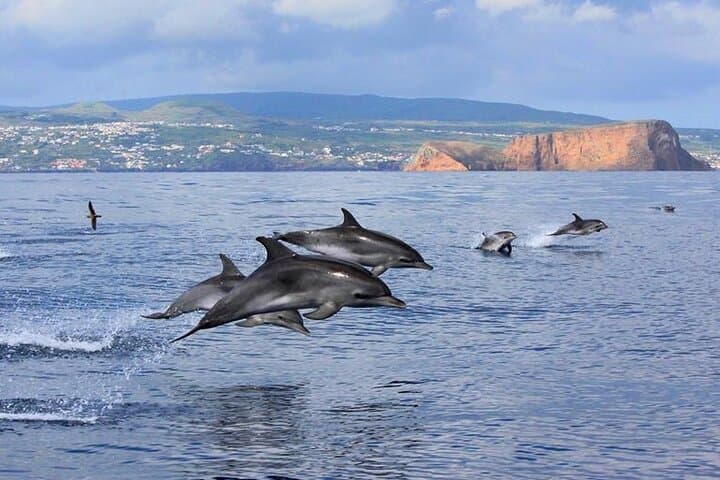
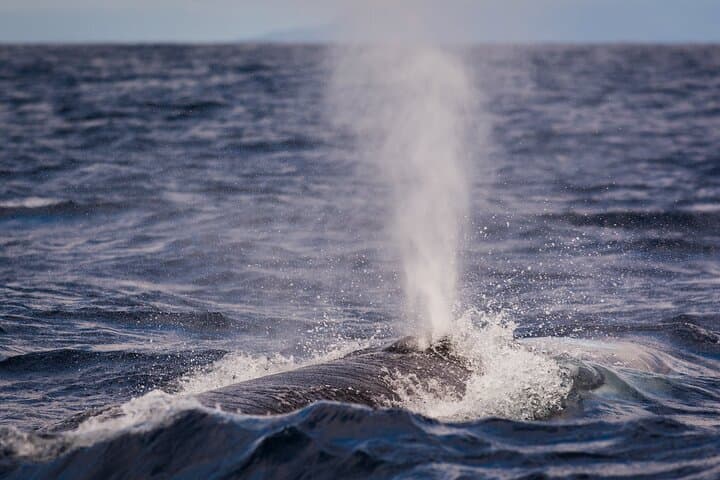
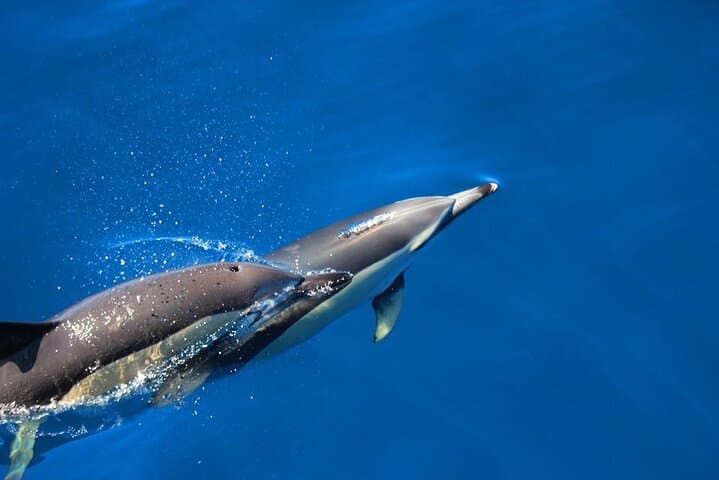
Terceira’s waters sit on the Mid-Atlantic volcanic chain; the jagged islets and offshore seamounts are relics of eruptions and slow stone-work by the ocean. The Azores’ whaling history shaped local culture—today replaced by whale- and dolphin-watching that supports conservation and community livelihoods. Spotter crews and naturalists onboard translate behavior into stories: the burst of a sperm whale’s blow, a pod of common dolphins carving through swell, or the shy ripple of a turtle.
Practicalities are straightforward. Tours run roughly seven hours for the full package—whale watching, a supervised swim with dolphins, and a coastal run to Ilhéus das Cabras. Expect a safety briefing, lifejackets, and provided snorkeling gear. Seas can be choppy; operators may reschedule for comfort and safety and offer a sightings guarantee or reschedule if no animals are seen.
Bring motion-sickness medication if you’re prone, layered windproof clothing, reef-safe sunscreen, and a neoprene top or shorty even in summer—the water is cool. Move deliberately when boarding and follow the crew’s instructions during in-water encounters: these animals remain wild and set the rules. With respect, patience, and a steady sea, this combination trip offers a clear, thrilling window into Azorean marine life and the raw geology that shapes it.
moderate.
6–8 hours (full package).
Moderate fitness—able to board a small boat, stand for stretches, and enter the water from a ladder; not suitable for those with serious mobility or cardiovascular issues.
Operators commit to offering at least one cetacean sighting; if no sightings occur they typically provide a free repeat tour or full refund, subject to their policy.
You must be able to enter and exit the water safely; non-swimmers should discuss options with the operator—lifejackets are provided but basic swimming ability is usually required.
Yes—reputable Azorean operators follow regional guidelines: maintain distance, limit time in the water, and avoid disruptive behavior; always choose licensed companies with naturalists onboard.
Most tours depart from Angra do Heroísmo harbor; the town is accessible by road from Terceira Airport with local transfers or taxi services available.
Terceira and the Azores have a maritime past shaped by whaling and transatlantic navigation; modern tours evolved from this seafaring heritage into conservation-minded wildlife watching.
Operators work with regional guidelines and research programs; visitors should avoid feeding or touching wildlife and support local conservation fees where requested.
OceanEmotion operates guided outdoor trips and adventures with an emphasis on safety, stewardship, and memorable experiences.
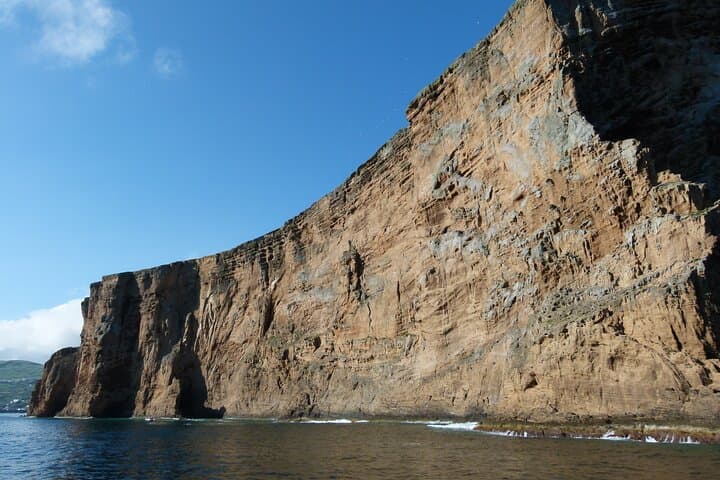
You step off the quay in Angra do Heroísmo as the harbor exhales salt and history. The boat slips into a green-blue Atlantic that feels both patient and eager—currents nudging the hull, gulls scouting like sentries. Within minutes the island’s volcanic flank falls away into cliffs and, beyond them, the dark silhouettes of Ilhéus das Cabras rise: twin islets cut from old lava, daring you closer.
You step off the quay in Angra do Heroísmo as the harbor exhales salt and history. The boat slips into a green-blue Atlantic that feels both patient and eager—currents nudging the hull, gulls scouting like sentries. Within minutes the island’s volcanic flank falls away into cliffs and, beyond them, the dark silhouettes of Ilhéus das Cabras rise: twin islets cut from old lava, daring you closer.
Terceira’s waters sit on the Mid-Atlantic volcanic chain; the jagged islets and offshore seamounts are relics of eruptions and slow stone-work by the ocean. The Azores’ whaling history shaped local culture—today replaced by whale- and dolphin-watching that supports conservation and community livelihoods. Spotter crews and naturalists onboard translate behavior into stories: the burst of a sperm whale’s blow, a pod of common dolphins carving through swell, or the shy ripple of a turtle.
Practicalities are straightforward. Tours run roughly seven hours for the full package—whale watching, a supervised swim with dolphins, and a coastal run to Ilhéus das Cabras. Expect a safety briefing, lifejackets, and provided snorkeling gear. Seas can be choppy; operators may reschedule for comfort and safety and offer a sightings guarantee or reschedule if no animals are seen.
Bring motion-sickness medication if you’re prone, layered windproof clothing, reef-safe sunscreen, and a neoprene top or shorty even in summer—the water is cool. Move deliberately when boarding and follow the crew’s instructions during in-water encounters: these animals remain wild and set the rules. With respect, patience, and a steady sea, this combination trip offers a clear, thrilling window into Azorean marine life and the raw geology that shapes it.