THE ADVENTURE COLLECTIVE® · Independent discovery and booking for outdoor travel

Private RIBs push into Atlantic swell from Angra do Heroísmo to look for dolphins and whales, then stop near Ilhéus das Cabras for a supervised swim. This private tour combines guided spotting, snorkeling gear, and a sighting guarantee—expect variable wildlife encounters and sturdy sea conditions.
Private RIBs push into Atlantic swell from Angra do Heroísmo to look for dolphins and whales, then stop near Ilhéus das Cabras for a supervised swim. This private tour combines guided spotting, snorkeling gear, and a sighting guarantee—expect variable wildlife encounters and sturdy sea conditions.
A low-angled sun hits the swell as a private RIB slips away from Angra’s harbor, spray punctuating the morning air. On Terceira, the Atlantic feels close enough to touch—deep blue channels punctuated by rocky islets—where dolphins thread through chop and whales slow their breath. The boat threads a path toward Ilhéus das Cabras, two jagged stacks rising like island sentries; seabirds wheel and the sound of the ocean takes on a conversational tone, as if inviting you closer.
Verified experiences and guided adventures in the surrounding area.
Operated by OceanEmotion · Angra do Heroísmo, Azores
A low-angled sun hits the swell as a private RIB slips away from Angra’s harbor, spray punctuating the morning air. On Terceira, the Atlantic feels close enough to touch—deep blue channels punctuated by rocky islets—where dolphins thread through chop and whales slow their breath. The boat threads a path toward Ilhéus das Cabras, two jagged stacks rising like island sentries; seabirds wheel and the sound of the ocean takes on a conversational tone, as if inviting you closer.
The Azores have been a crossroads for sailors for centuries—Portuguese mariners, seasonal whalers, and modern researchers all left marks on the islands’ culture. Geologically young, Terceira is volcanic rock, sea cliffs and fertile plains; currents funnel marine life through its waters, which is why 29 cetacean species are recorded in the archipelago.
On this private outing expect guided cetacean spotting, a safety briefing, and a supervised swim with dolphins using provided snorkel gear. Guides follow strict approach protocols; interactions prioritize animal choice and freedom. If the sea is flat, snorkeling reveals rays of light through clear water; if the animals keep their distance, the operator offers a free repeat tour per their sighting guarantee.
Practical guidance: arrive with layered clothing, motion-sickness remedies if you’re sensitive, and waterproof storage for cameras. Wear shoes with grip for boarding, know basic swimming skills, and time trips for morning calm and clearer visibility. Respect the guides’ guidance—these are wild animals, not performances—and you’ll leave with stronger stories than selfies.
moderate.
3–4 hours.
Moderate fitness—comfortable swimming ability and ability to board a small boat required
No operator can guarantee specific species; this tour offers a sighting guarantee meaning you’ll be offered a free repeat if no cetaceans are seen.
Yes—swims are supervised by trained guides who maintain distance and follow local regulations; interactions are always voluntary for the animals.
Sea temperature varies 16–22°C (61–72°F); a wetsuit is recommended in spring and fall, optional in warm summer months.
Trips typically depart from Angra do Heroísmo harbor and last about 3–4 hours including transit, spotting, and a supervised swim stop.
Terceira’s maritime history includes centuries of seasonal whaling and a long tradition of seafaring; today the islands emphasize research and sustainable observation.
Operators adhere to Azorean marine guidelines—maintain distance, minimize noise, and avoid feeding; these practices reduce stress on cetaceans and protect tourism’s long-term future.
OceanEmotion operates guided outdoor trips and adventures with an emphasis on safety, stewardship, and memorable experiences.
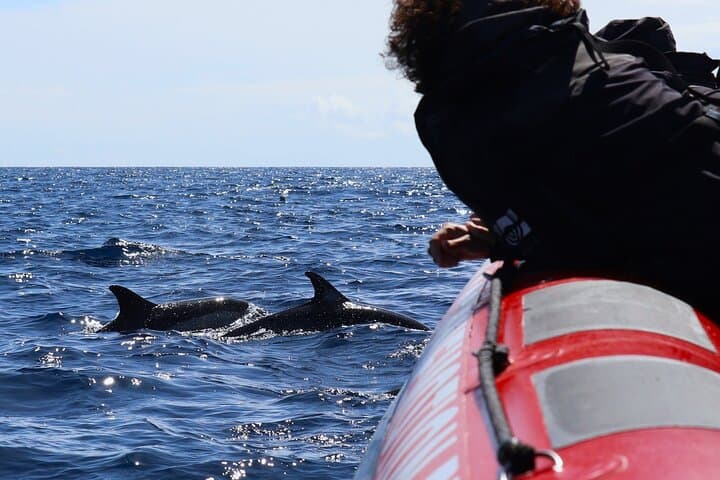
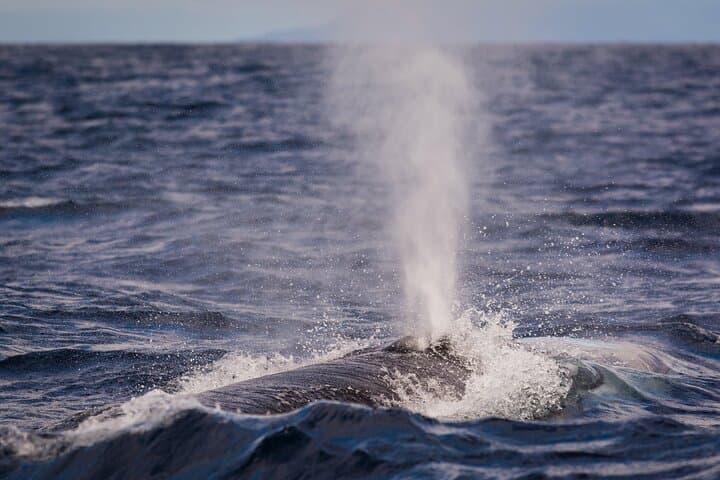
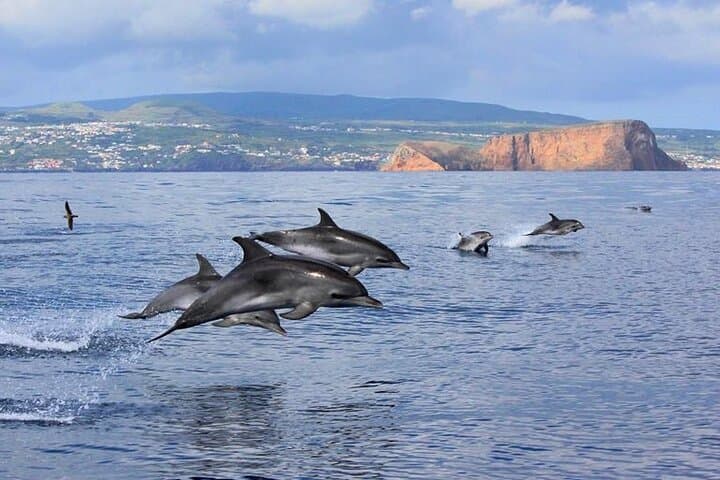
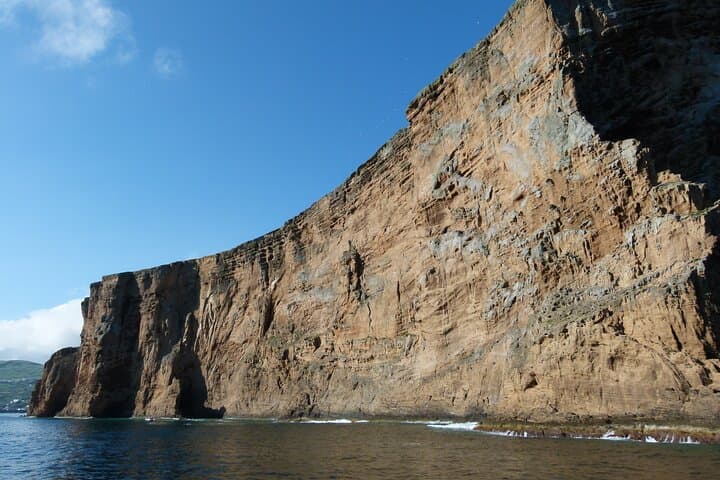
A low-angled sun hits the swell as a private RIB slips away from Angra’s harbor, spray punctuating the morning air. On Terceira, the Atlantic feels close enough to touch—deep blue channels punctuated by rocky islets—where dolphins thread through chop and whales slow their breath. The boat threads a path toward Ilhéus das Cabras, two jagged stacks rising like island sentries; seabirds wheel and the sound of the ocean takes on a conversational tone, as if inviting you closer.
A low-angled sun hits the swell as a private RIB slips away from Angra’s harbor, spray punctuating the morning air. On Terceira, the Atlantic feels close enough to touch—deep blue channels punctuated by rocky islets—where dolphins thread through chop and whales slow their breath. The boat threads a path toward Ilhéus das Cabras, two jagged stacks rising like island sentries; seabirds wheel and the sound of the ocean takes on a conversational tone, as if inviting you closer.
The Azores have been a crossroads for sailors for centuries—Portuguese mariners, seasonal whalers, and modern researchers all left marks on the islands’ culture. Geologically young, Terceira is volcanic rock, sea cliffs and fertile plains; currents funnel marine life through its waters, which is why 29 cetacean species are recorded in the archipelago.
On this private outing expect guided cetacean spotting, a safety briefing, and a supervised swim with dolphins using provided snorkel gear. Guides follow strict approach protocols; interactions prioritize animal choice and freedom. If the sea is flat, snorkeling reveals rays of light through clear water; if the animals keep their distance, the operator offers a free repeat tour per their sighting guarantee.
Practical guidance: arrive with layered clothing, motion-sickness remedies if you’re sensitive, and waterproof storage for cameras. Wear shoes with grip for boarding, know basic swimming skills, and time trips for morning calm and clearer visibility. Respect the guides’ guidance—these are wild animals, not performances—and you’ll leave with stronger stories than selfies.