THE ADVENTURE COLLECTIVE® · Independent discovery and booking for outdoor travel

Slip beneath clear Atlantic water around Terceira and explore protected marine reserves where basalt formations and kelp gardens host endemic fish. This private snorkeling experience pairs local knowledge with conservation-minded access to some of the Azores’ best shore reefs.
Slip beneath clear Atlantic water around Terceira and explore protected marine reserves where basalt formations and kelp gardens host endemic fish. This private snorkeling experience pairs local knowledge with conservation-minded access to some of the Azores’ best shore reefs.
A salt-sweet wind pushes you toward a cliff-ringed bay off Terceira, where the Atlantic light fractures across a mosaic of black basalt and green sea. You step from a small tender into calm, clear water and slip beneath a surface that feels like glass; fish scatter like coins and the current, steady and polite, nudges you along rock gardens and lava shelves.
Verified experiences and guided adventures in the surrounding area.
Operated by OceanEmotion · Angra do Heroísmo, Azores
A salt-sweet wind pushes you toward a cliff-ringed bay off Terceira, where the Atlantic light fractures across a mosaic of black basalt and green sea. You step from a small tender into calm, clear water and slip beneath a surface that feels like glass; fish scatter like coins and the current, steady and polite, nudges you along rock gardens and lava shelves.
The Azores sit on the Mid-Atlantic Ridge; Terceira’s coastline is shaped by recent volcanic flows and sea-carved basalt buttresses. Naval history and whaling relics dot the island’s harbors, while local communities maintain strong fishing and dairy traditions—culture that values the sea and its rules. In protected marine reserves around Terceira, regulations preserve kelp beds, endemic fish, and fragile sponge gardens, offering snorkelers a front-row seat to an ecosystem both rugged and delicate.
Expect low swell in designated protected areas and underwater topography that ranges from shallow lava plateaus to deeper channels where larger species patrol. Guides emphasize buoyancy control and slow, quiet movement—this is observation, not chase.
Practical notes: tours are typically two hours, include full snorkeling kit, and suit intermediate swimmers; wear a 3/2mm wetsuit in spring and autumn, lighter suit in summer. Arrive hydrated, use reef-safe sunscreen, and follow your guide’s line to avoid damaging rock or kelp. Morning departures often yield calmer seas and clearer visibility. Respect signage—these are working marine reserves—and treat encounters with endemic life as guests in their home.
moderate.
2 hours.
Moderate—comfortable swimming ability and basic snorkeling fitness; able to tread water and swim 100–200 m.
No—beginners are welcome, but you should be comfortable in the water; guides provide a safety briefing and basic coaching.
Summer offers the warmest water and longest visibility, though spring and fall can be quieter with good conditions; operators may cancel in poor weather.
Children are often allowed if they are competent swimmers; age and safety requirements vary by operator—check when booking.
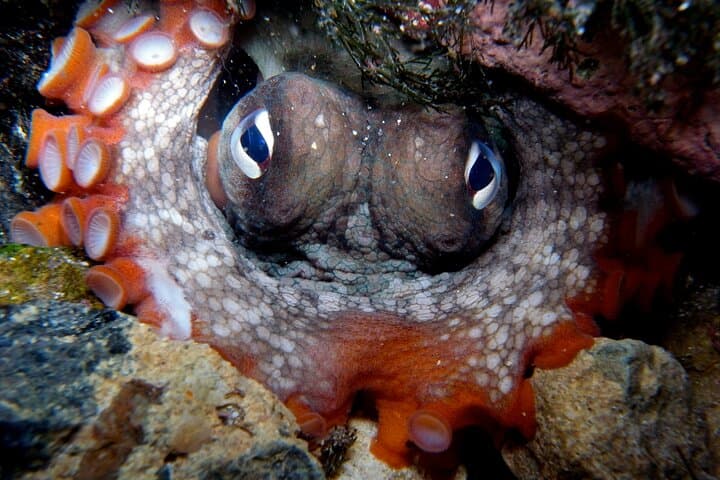
Protected areas host a variety of fish, occasional rays, and sea turtles; larger pelagics and dolphins are possible but not guaranteed on a snorkeling trip.
Terceira’s towns reflect a maritime past—ports used by Age of Discovery fleets and later whaling communities shaped local knowledge of the ocean.
Protected marine zones restrict fishing and anchoring to preserve kelp and reef habitats; visitors are asked to avoid contact with wildlife and use reef-safe products.
OceanEmotion operates guided outdoor trips and adventures with an emphasis on safety, stewardship, and memorable experiences.
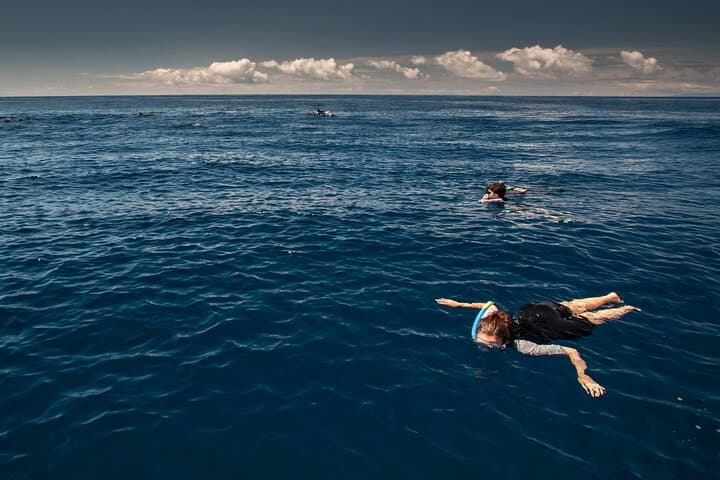
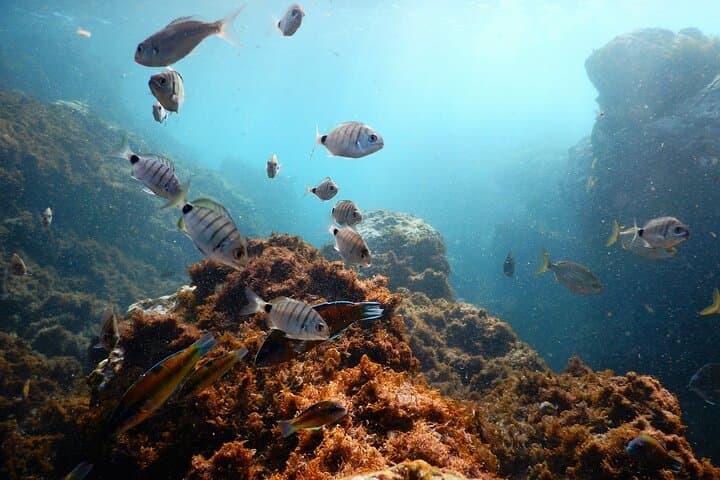
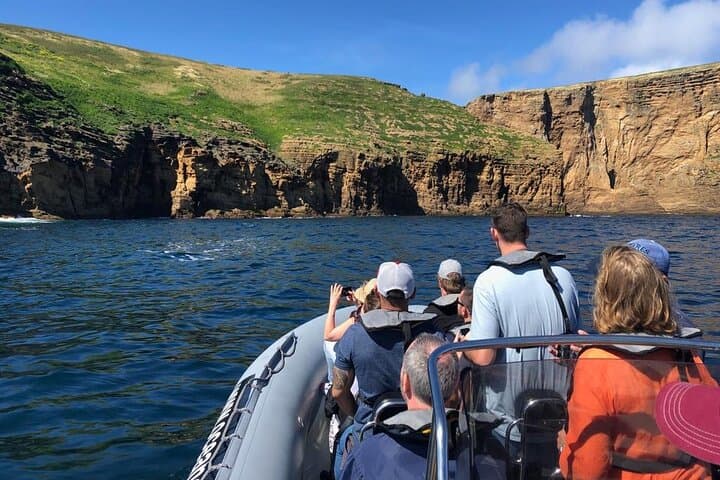
A salt-sweet wind pushes you toward a cliff-ringed bay off Terceira, where the Atlantic light fractures across a mosaic of black basalt and green sea. You step from a small tender into calm, clear water and slip beneath a surface that feels like glass; fish scatter like coins and the current, steady and polite, nudges you along rock gardens and lava shelves.
A salt-sweet wind pushes you toward a cliff-ringed bay off Terceira, where the Atlantic light fractures across a mosaic of black basalt and green sea. You step from a small tender into calm, clear water and slip beneath a surface that feels like glass; fish scatter like coins and the current, steady and polite, nudges you along rock gardens and lava shelves.
The Azores sit on the Mid-Atlantic Ridge; Terceira’s coastline is shaped by recent volcanic flows and sea-carved basalt buttresses. Naval history and whaling relics dot the island’s harbors, while local communities maintain strong fishing and dairy traditions—culture that values the sea and its rules. In protected marine reserves around Terceira, regulations preserve kelp beds, endemic fish, and fragile sponge gardens, offering snorkelers a front-row seat to an ecosystem both rugged and delicate.
Expect low swell in designated protected areas and underwater topography that ranges from shallow lava plateaus to deeper channels where larger species patrol. Guides emphasize buoyancy control and slow, quiet movement—this is observation, not chase.
Practical notes: tours are typically two hours, include full snorkeling kit, and suit intermediate swimmers; wear a 3/2mm wetsuit in spring and autumn, lighter suit in summer. Arrive hydrated, use reef-safe sunscreen, and follow your guide’s line to avoid damaging rock or kelp. Morning departures often yield calmer seas and clearer visibility. Respect signage—these are working marine reserves—and treat encounters with endemic life as guests in their home.