THE ADVENTURE COLLECTIVE® · Independent discovery and booking for outdoor travel

Swim with wild dolphins and snorkel clear volcanic reefs off Terceira in the Azores. This combined boat tour pairs guided cetacean encounters with protected-area snorkeling for a pragmatic, nature-first ocean day.
Swim with wild dolphins and snorkel clear volcanic reefs off Terceira in the Azores. This combined boat tour pairs guided cetacean encounters with protected-area snorkeling for a pragmatic, nature-first ocean day.
A warm Atlantic wind pushes the bow out of Angra’s harbor and the sea opens wide—light catches on glassy swells as dolphins arc ahead, curious and unconcerned. On Terceira, the ocean is an active participant: it teases, invites and then decides whether you’ll meet its wild residents face to fin.
Verified experiences and guided adventures in the surrounding area.
Operated by OceanEmotion · Angra do Heroísmo, Azores
A warm Atlantic wind pushes the bow out of Angra’s harbor and the sea opens wide—light catches on glassy swells as dolphins arc ahead, curious and unconcerned. On Terceira, the ocean is an active participant: it teases, invites and then decides whether you’ll meet its wild residents face to fin.
The Azores sit astride the Mid-Atlantic Ridge; volcanic ridges and submerged cones create nutrient-rich currents that attract cetaceans and bright reef life. Angra do Heroísmo’s maritime history—a 15th‑century provisioning port for Atlantic traffic—frames modern sea tours that respect long-standing local ties to the ocean. Guides combine oceanography knowledge with a cultural respect for local fishing traditions and protected-area rules.
Expect two linked experiences: an open-water dolphin encounter from a rigid-hull boat where trained crews manage approach distance and safety, and shore- or boat-based snorkeling in clear, chilly water over rocky reefs. The water will feel energetic: currents test your rhythm, while seabirds mark feeding frenzies below.
Practical advice: arrive with a basic level of swim competence and a willingness to follow crew instructions. Most operators provide full snorkeling gear and wetsuits; a short safety briefing precedes every immersion. Plan for variable weather—mornings are often calmer—and bring motion-sickness prevention if you’re prone. Operators in the Azores operate under sighting protocols and marine regulations; if no animals are seen, many offer a free rebook or refund. This is a hands-on, respect-first encounter with an Atlantic that both welcomes and sets the rules.
moderate.
4–5 hours total (per activity block).
Moderate—comfortable swimming 100–200 meters, basic snorkeling competence, and ability to follow safety briefings
Operators in the Azores work under sighting protocols and usually offer a rebook or refund if no cetaceans are seen during your tour.
Children who are competent swimmers and able to follow safety instructions can usually participate; check operator age limits and life-jacket policies in advance.
Most tours include basic instruction and flotation support; you should be comfortable in open water and able to follow guide cues before entering.
Sea temps often range from ~16–22°C (61–72°F); a wetsuit (provided by many operators) is recommended year-round for comfort and safety.
Angra do Heroísmo served as a key 15th‑century Atlantic stopover and retains UNESCO-recognized maritime architecture reflecting its period as a provisioning hub.
The Azores maintain marine protection measures and codes of conduct for cetacean watching; reputable operators follow distance rules, no‑feed policies and waste avoidance to reduce impact.
OceanEmotion operates guided outdoor trips and adventures with an emphasis on safety, stewardship, and memorable experiences.
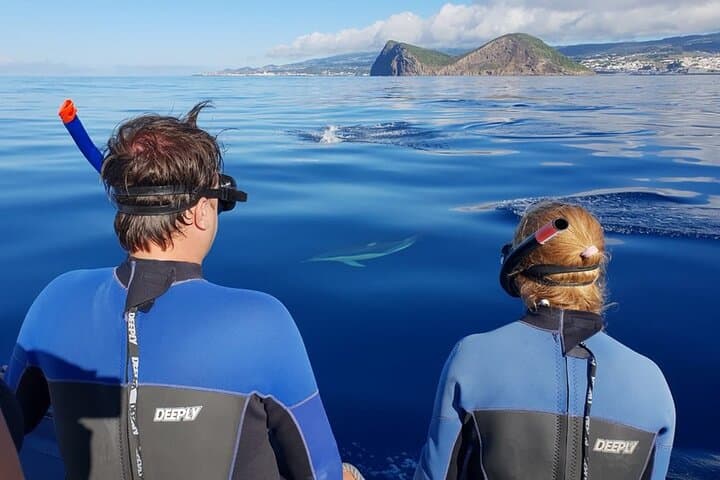
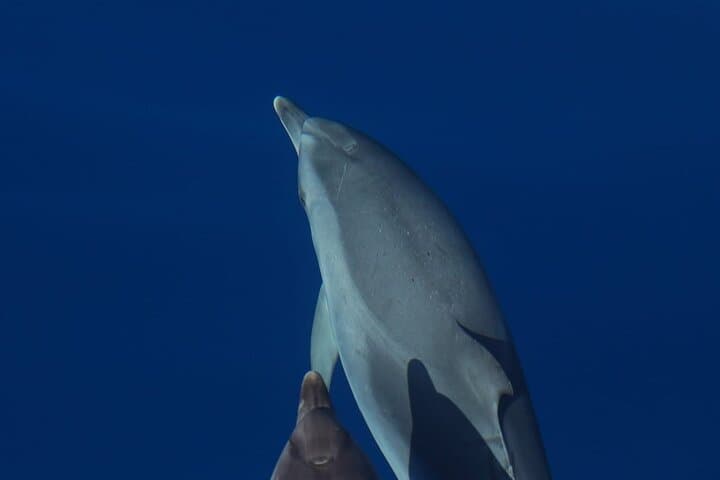
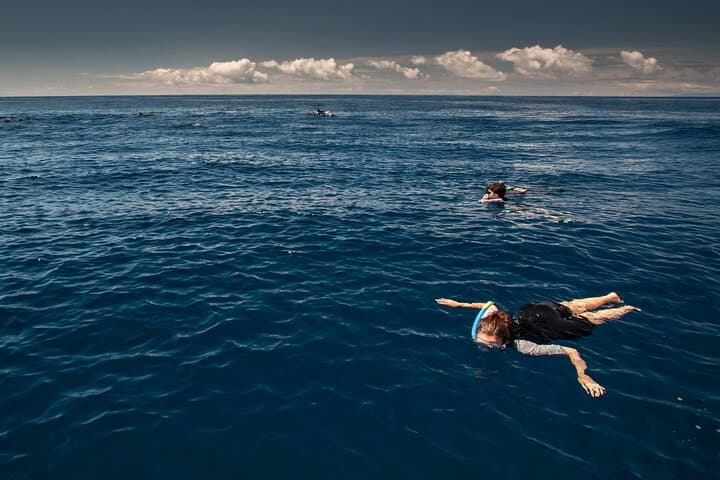
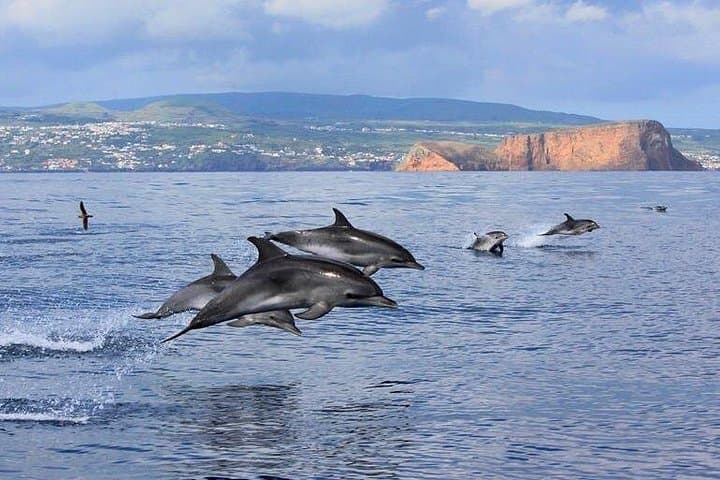
A warm Atlantic wind pushes the bow out of Angra’s harbor and the sea opens wide—light catches on glassy swells as dolphins arc ahead, curious and unconcerned. On Terceira, the ocean is an active participant: it teases, invites and then decides whether you’ll meet its wild residents face to fin.
A warm Atlantic wind pushes the bow out of Angra’s harbor and the sea opens wide—light catches on glassy swells as dolphins arc ahead, curious and unconcerned. On Terceira, the ocean is an active participant: it teases, invites and then decides whether you’ll meet its wild residents face to fin.
The Azores sit astride the Mid-Atlantic Ridge; volcanic ridges and submerged cones create nutrient-rich currents that attract cetaceans and bright reef life. Angra do Heroísmo’s maritime history—a 15th‑century provisioning port for Atlantic traffic—frames modern sea tours that respect long-standing local ties to the ocean. Guides combine oceanography knowledge with a cultural respect for local fishing traditions and protected-area rules.
Expect two linked experiences: an open-water dolphin encounter from a rigid-hull boat where trained crews manage approach distance and safety, and shore- or boat-based snorkeling in clear, chilly water over rocky reefs. The water will feel energetic: currents test your rhythm, while seabirds mark feeding frenzies below.
Practical advice: arrive with a basic level of swim competence and a willingness to follow crew instructions. Most operators provide full snorkeling gear and wetsuits; a short safety briefing precedes every immersion. Plan for variable weather—mornings are often calmer—and bring motion-sickness prevention if you’re prone. Operators in the Azores operate under sighting protocols and marine regulations; if no animals are seen, many offer a free rebook or refund. This is a hands-on, respect-first encounter with an Atlantic that both welcomes and sets the rules.