THE ADVENTURE COLLECTIVE® · Independent discovery and booking for outdoor travel

A compact, geology-focused half-day tour around Terceira that moves from wide crater rims to subterranean lava tubes and black‑rock tidal pools. Ideal for travelers who want hands-on volcanic landscapes without a full-day commitment.
A compact, geology-focused half-day tour around Terceira that moves from wide crater rims to subterranean lava tubes and black‑rock tidal pools. Ideal for travelers who want hands-on volcanic landscapes without a full-day commitment.
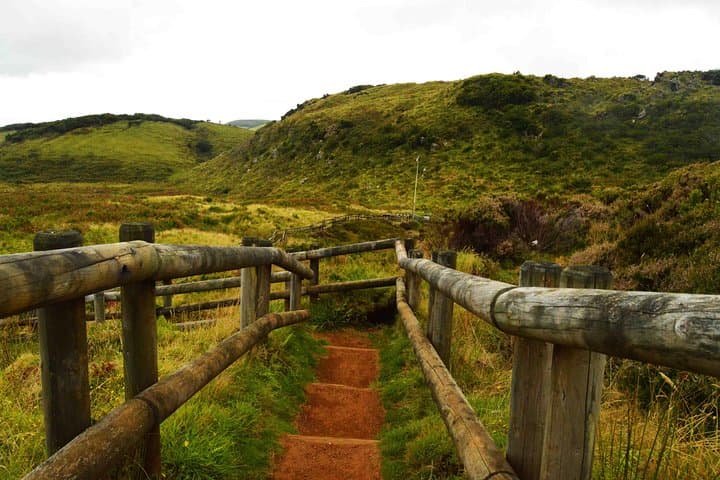
You crest Serra do Cume and the landscape opens like a folded map — a wide, hollow rim of grass that throws your gaze across one of the Azores’ largest volcanic depressions, the Atlantic pressing at the horizon. Wind pushes through the pasture as if testing your resolve; below, the island’s geology reads like a field guide to fire and water.
Verified experiences and guided adventures in the surrounding area.
Operated by TuriAzores - Animação Turística · Angra do Heroísmo, Azores
You crest Serra do Cume and the landscape opens like a folded map — a wide, hollow rim of grass that throws your gaze across one of the Azores’ largest volcanic depressions, the Atlantic pressing at the horizon. Wind pushes through the pasture as if testing your resolve; below, the island’s geology reads like a field guide to fire and water.
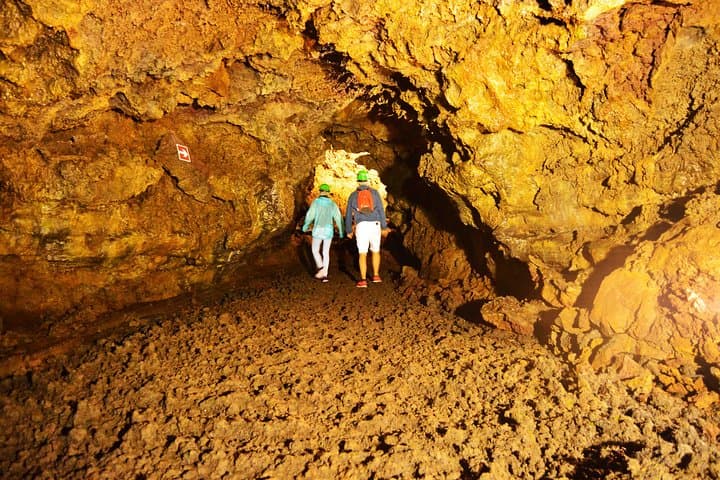
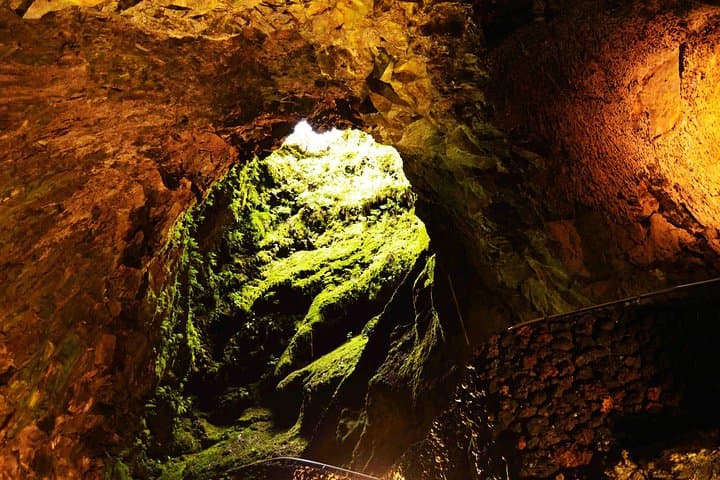
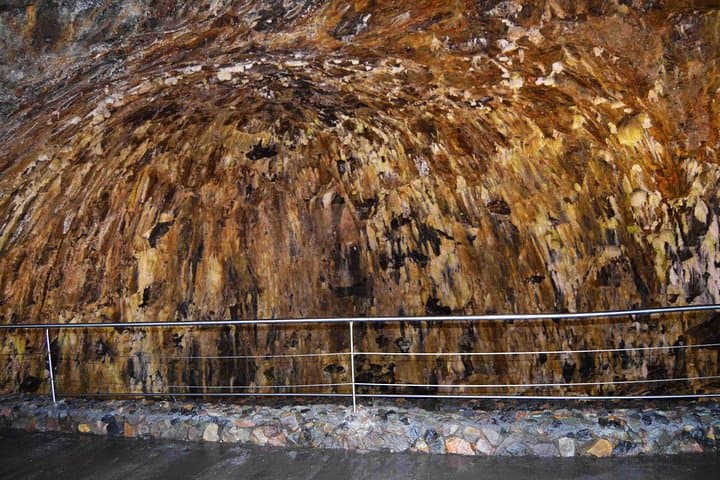
This half-day geotour threads together the island’s volcanic story: a walk through Algar do Carvão’s cavernous throat (note: the visitor centre is under renovation and access may be limited), the low, hissing fumarolic ground at Furnas do Enxofre, the basalt tubes of Gruta do Natal where lava once flowed like frozen rivers, and the black-rocked natural pools at Biscoitos where surf and tide shape saltwater baths.
Terceira sits on the Azores hotspot; its basalts, scoria cones and lava tunnels record repeated eruptions over hundreds of thousands of years. Culturally, Angra do Heroísmo’s maritime history anchors the island — fishing coves and volcanic pools have long been places for local families to gather.
Practically: expect uneven volcanic rock, short climbs and damp cave passages. The tour lasts about four hours with small groups and guide-led entry fees included for most sites; check in advance about Algar do Carvão access. Bring layered, waterproof clothing, sturdy shoes with good grip, a headlamp or reliable torch for tunnels, and a quick-drying swimsuit if you plan to use the Biscoitos pools. Weather shifts quickly in the Azores, so plan for wind and marine spray. Respect signage: fragile formations and tide pools recover slowly if disturbed.
moderate.
4 hours.
Moderate fitness required: short hikes, some stairs and low-level boulder scrambling; comfortable moving on uneven ground.
As of recent notices, the Algar do Carvão visitor centre is closed for construction and works may limit access—confirm with the operator before booking.
The tour is rated moderate: short walks, some steps and uneven ground; guests should be steady on their feet and able to climb short flights of stairs.
Children are allowed but must be accompanied by an adult; operators advise supervision in caves and near pools.
Yes, but only when sea conditions are calm and the guide confirms it’s safe; watch for slippery rocks and cold water temperatures.
Terceira’s landscapes were sculpted by successive volcanic episodes; Algar do Carvão is a volcanic throat exposing older lava layers and volcanic plumbing systems.
Volcanic soils and tide pools recover slowly—stay on marked paths, avoid removing rocks or organisms, and follow guide instructions to minimize impact.
TuriAzores - Animação Turística operates guided outdoor trips and adventures with an emphasis on safety, stewardship, and memorable experiences.
You crest Serra do Cume and the landscape opens like a folded map — a wide, hollow rim of grass that throws your gaze across one of the Azores’ largest volcanic depressions, the Atlantic pressing at the horizon. Wind pushes through the pasture as if testing your resolve; below, the island’s geology reads like a field guide to fire and water.
You crest Serra do Cume and the landscape opens like a folded map — a wide, hollow rim of grass that throws your gaze across one of the Azores’ largest volcanic depressions, the Atlantic pressing at the horizon. Wind pushes through the pasture as if testing your resolve; below, the island’s geology reads like a field guide to fire and water.
This half-day geotour threads together the island’s volcanic story: a walk through Algar do Carvão’s cavernous throat (note: the visitor centre is under renovation and access may be limited), the low, hissing fumarolic ground at Furnas do Enxofre, the basalt tubes of Gruta do Natal where lava once flowed like frozen rivers, and the black-rocked natural pools at Biscoitos where surf and tide shape saltwater baths.
Terceira sits on the Azores hotspot; its basalts, scoria cones and lava tunnels record repeated eruptions over hundreds of thousands of years. Culturally, Angra do Heroísmo’s maritime history anchors the island — fishing coves and volcanic pools have long been places for local families to gather.
Practically: expect uneven volcanic rock, short climbs and damp cave passages. The tour lasts about four hours with small groups and guide-led entry fees included for most sites; check in advance about Algar do Carvão access. Bring layered, waterproof clothing, sturdy shoes with good grip, a headlamp or reliable torch for tunnels, and a quick-drying swimsuit if you plan to use the Biscoitos pools. Weather shifts quickly in the Azores, so plan for wind and marine spray. Respect signage: fragile formations and tide pools recover slowly if disturbed.