THE ADVENTURE COLLECTIVE® · Independent discovery and booking for outdoor travel

Travel from Guadalajara to Tequila for a full-day blend of distilleries, agave fields and guided tastings. Visit grottoes, a glass viewpoint, and local cantinas while learning the history and production of tequila.
Travel from Guadalajara to Tequila for a full-day blend of distilleries, agave fields and guided tastings. Visit grottoes, a glass viewpoint, and local cantinas while learning the history and production of tequila.
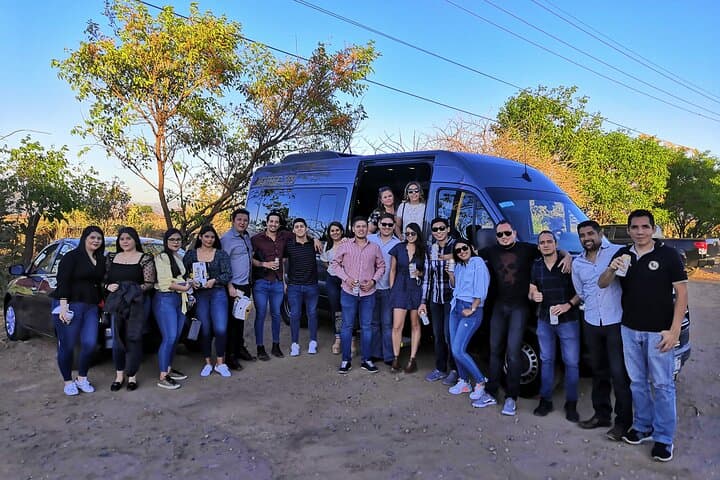
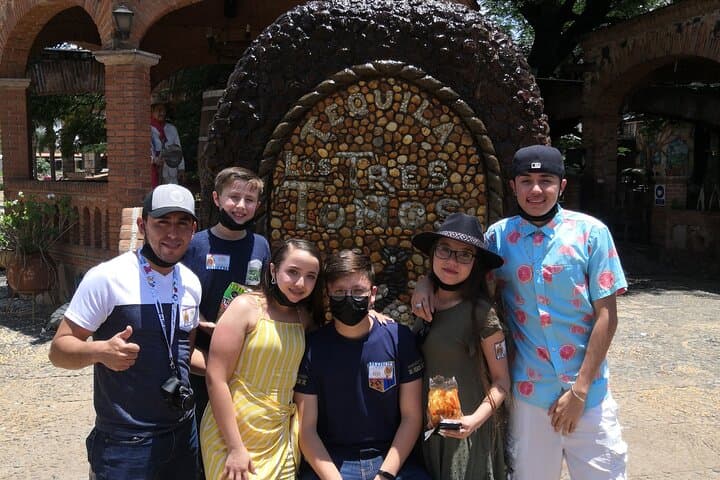
You step off an air-conditioned van onto sun-warmed cobblestones and the scent of roasting agave hits first—a sharp, earthy welcome that seems to push you down the main street of Tequila. The day unfolds between blue-gray agave rows, cavernous grottoes and the clatter of mezcaleros at work; voices and guitars follow you from market stalls to distillery patios.
Verified experiences and guided adventures in the surrounding area.
Operated by VIAPORTE · Tequila, Jalisco
You step off an air-conditioned van onto sun-warmed cobblestones and the scent of roasting agave hits first—a sharp, earthy welcome that seems to push you down the main street of Tequila. The day unfolds between blue-gray agave rows, cavernous grottoes and the clatter of mezcaleros at work; voices and guitars follow you from market stalls to distillery patios.
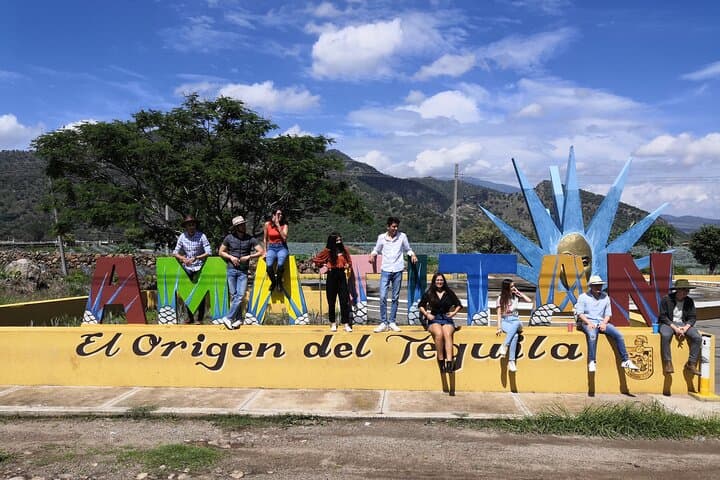
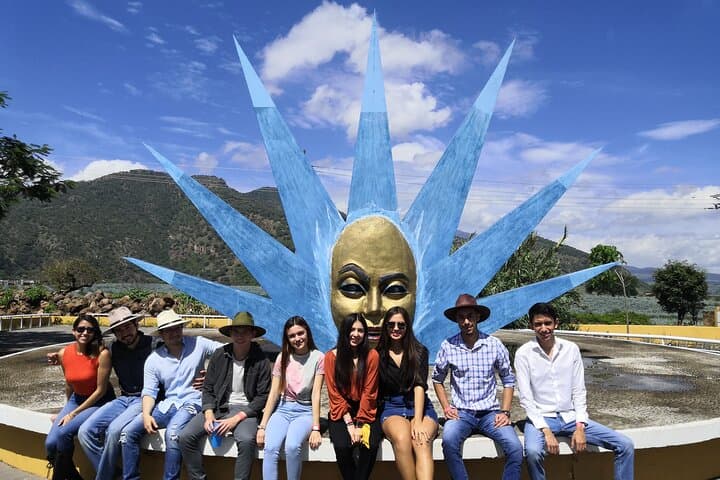
This route threads modern tasting rooms with century-old haciendas. Tequila’s landscape rides the edge of the Trans-Mexican Volcanic Belt; volcanic soils and elevation create the mineral signature in local spirits. Amatitán’s grottoes recall the town’s industrial rise in the 19th century, while Campo Azul offers engineered viewpoints and adrenaline draws—swing and orbitron—over classic agave vistas. The village itself retains colonial facades, a municipal plaza where mariachi and vendors meet, and distilleries like Aguirreña that merge small-batch craft with regional tradition.
Expect several short walks on uneven stone and dirt, guided tastings, and opportunities to buy bottles and ceramics. The tour moves at a steady pace—planned visits to Don Valente, Amatitán, Campo Azul and local cantinas—so wear supportive shoes, bring sun protection and hydrate early. Pregnant travelers and those with mobility issues should avoid the route due to stairs and grotto access.
Timing matters: morning drives through fields are cooler and clearer for photos; late afternoon brings richer light and livelier plazas. Plan for ten hours away from Guadalajara; carry cash for small purchases and set aside time to savor a slow tasting rather than rush through samples.
moderate.
10 hours.
Moderate stamina for multiple short walks, stairs, and standing during tastings
The tour is approximately 10 hours and includes guided visits, several tastings, air-conditioned transport and admission where listed—check the itinerary for specifics.
Infants and small children can join (stroller-accessible), but the schedule and tastings make it best suited for adults and older kids who can manage walking.
Yes—distilleries typically sell bottles and souvenirs; bring a carry-on-friendly bag and check airline rules for transporting alcohol.
Not recommended for pregnant travelers or people with significant walking problems due to steps and walking on uneven surfaces.
Tequila grew as an industry in the 19th century when distillation and rail links expanded—many family distilleries today trace origins to that era.
Agave cultivation is sensitive to soil and water; choose operators who practice responsible land use and avoid disturbing field borders and pollinators.
VIAPORTE operates guided outdoor trips and adventures with an emphasis on safety, stewardship, and memorable experiences.
You step off an air-conditioned van onto sun-warmed cobblestones and the scent of roasting agave hits first—a sharp, earthy welcome that seems to push you down the main street of Tequila. The day unfolds between blue-gray agave rows, cavernous grottoes and the clatter of mezcaleros at work; voices and guitars follow you from market stalls to distillery patios.
You step off an air-conditioned van onto sun-warmed cobblestones and the scent of roasting agave hits first—a sharp, earthy welcome that seems to push you down the main street of Tequila. The day unfolds between blue-gray agave rows, cavernous grottoes and the clatter of mezcaleros at work; voices and guitars follow you from market stalls to distillery patios.
This route threads modern tasting rooms with century-old haciendas. Tequila’s landscape rides the edge of the Trans-Mexican Volcanic Belt; volcanic soils and elevation create the mineral signature in local spirits. Amatitán’s grottoes recall the town’s industrial rise in the 19th century, while Campo Azul offers engineered viewpoints and adrenaline draws—swing and orbitron—over classic agave vistas. The village itself retains colonial facades, a municipal plaza where mariachi and vendors meet, and distilleries like Aguirreña that merge small-batch craft with regional tradition.
Expect several short walks on uneven stone and dirt, guided tastings, and opportunities to buy bottles and ceramics. The tour moves at a steady pace—planned visits to Don Valente, Amatitán, Campo Azul and local cantinas—so wear supportive shoes, bring sun protection and hydrate early. Pregnant travelers and those with mobility issues should avoid the route due to stairs and grotto access.
Timing matters: morning drives through fields are cooler and clearer for photos; late afternoon brings richer light and livelier plazas. Plan for ten hours away from Guadalajara; carry cash for small purchases and set aside time to savor a slow tasting rather than rush through samples.