THE ADVENTURE COLLECTIVE® · Independent discovery and booking for outdoor travel

Combine a cave-side Mexican breakfast, an obsidian and maguey workshop, and a guided walk among Teotihuacan’s pyramids on a single 4–6 hour trip from Mexico City. Expect steep stone steps, volcanic geology and hands-on cultural demonstrations.
Combine a cave-side Mexican breakfast, an obsidian and maguey workshop, and a guided walk among Teotihuacan’s pyramids on a single 4–6 hour trip from Mexico City. Expect steep stone steps, volcanic geology and hands-on cultural demonstrations.
You step out of the van as the valley opens—dry grass, wide sky and the blocky silhouette of the Pyramid of the Sun rising from the plain. Early light sharpens the stone steps and the guide’s voice threads history into the air as you walk toward the Avenue of the Dead.
Verified experiences and guided adventures in the surrounding area.
Operated by Tlatoani tours · San Juan Teotihuacán, State of Mexico
You step out of the van as the valley opens—dry grass, wide sky and the blocky silhouette of the Pyramid of the Sun rising from the plain. Early light sharpens the stone steps and the guide’s voice threads history into the air as you walk toward the Avenue of the Dead.
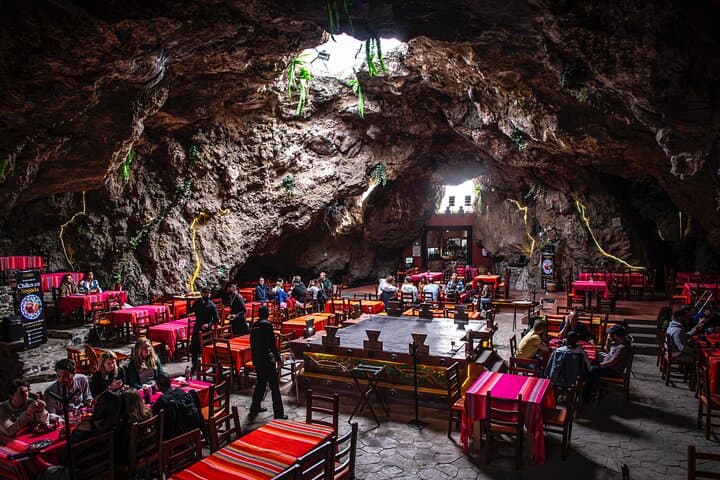
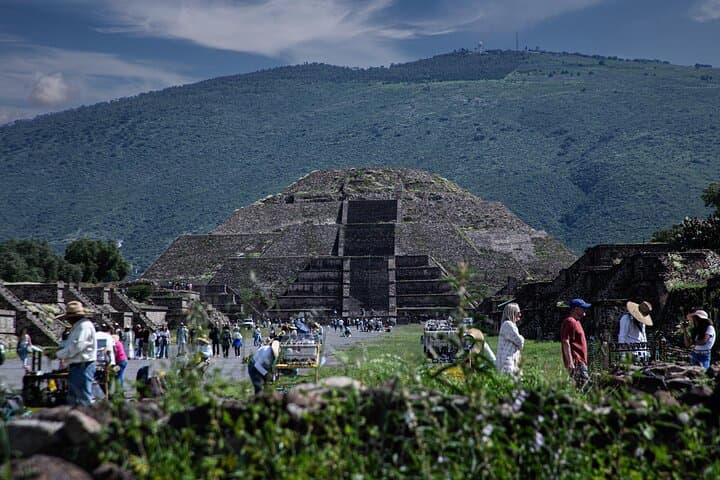
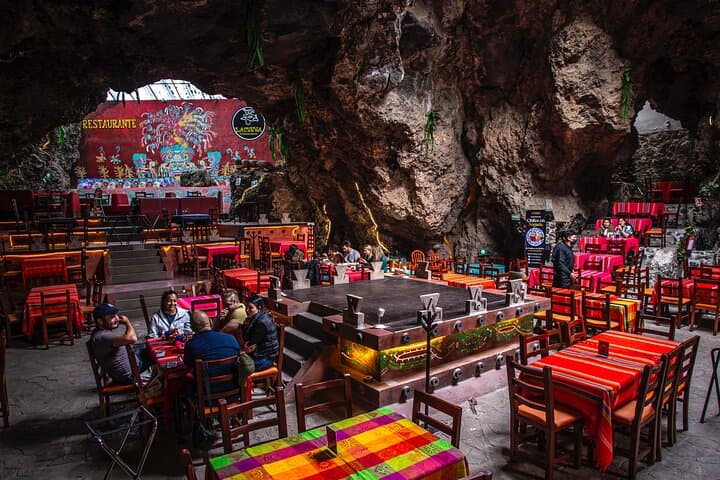
This tour strings together distinct layers of the region: a cave restaurant where breakfast is served in a natural hollow, a hands-on obsidian and maguey workshop at the Tlalocan Cultural Center, and a certified guided walk through Teotihuacan’s main monuments—the Sun and Moon pyramids and the Quetzalcoatl temple. Geologically, the site sits on volcanic soils and obsidian seams formed by ancient eruptions; culturally it was one of the largest cities of pre-Hispanic Mesoamerica and later named Teotihuacan, “the place where gods were born,” by the Aztecs.
Expect uneven stone, long stair climbs and open, exposed plazas. The cave breakfast contrasts this openness with cool, shaded stone and traditional flavors—coffee, fresh bread and regional dishes—before you handle raw obsidian and learn maguey uses that shaped local craft and drink. Guides explain iconography, construction techniques and the site's changing role across centuries.
Practical tips: plan for 4–6 hours, bring water, sun protection and shoes with good traction; mornings are cooler and less crowded. Options with round-trip transport from CDMX simplify logistics—confirm pickup points in Condesa, Roma, Polanco or Centro. The route balances cultural depth with manageable walking, making it a compact, immersive day out from Mexico City.
moderate.
4–6 hours.
Moderate fitness—able to walk several kilometers on uneven ground, climb steep stone steps and stand for guided explanations.
Yes—this tour includes entrance to the Teotihuacan Archaeological Zone as part of the itinerary.
Climbing is optional but common; the tour visits the bases and offers guided interpretations—if you prefer not to climb, the guide will adapt the route.
The breakfast is traditional Mexican fare; notify the operator in advance about dietary restrictions so they can accommodate alternatives when possible.
Round transport is available if you select the transport option—pickup covers Condesa, Roma, Reforma, Polanco and Centro neighborhoods; confirm your pickup address at booking.
Teotihuacan was a major Mesoamerican metropolis from roughly 1–7th centuries AD and later named by the Aztecs; its urban grid and monumental pyramids influenced civilizations across the region.
As a UNESCO World Heritage site, Teotihuacan faces visitor wear—stay on marked paths, avoid removing stones and support local guides and artisans to help sustain conservation efforts.
Tlatoani tours operates guided outdoor trips and adventures with an emphasis on safety, stewardship, and memorable experiences.
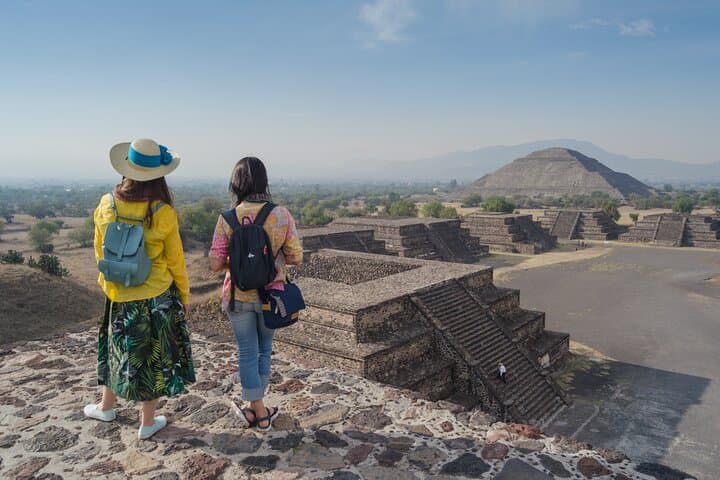
You step out of the van as the valley opens—dry grass, wide sky and the blocky silhouette of the Pyramid of the Sun rising from the plain. Early light sharpens the stone steps and the guide’s voice threads history into the air as you walk toward the Avenue of the Dead.
You step out of the van as the valley opens—dry grass, wide sky and the blocky silhouette of the Pyramid of the Sun rising from the plain. Early light sharpens the stone steps and the guide’s voice threads history into the air as you walk toward the Avenue of the Dead.
This tour strings together distinct layers of the region: a cave restaurant where breakfast is served in a natural hollow, a hands-on obsidian and maguey workshop at the Tlalocan Cultural Center, and a certified guided walk through Teotihuacan’s main monuments—the Sun and Moon pyramids and the Quetzalcoatl temple. Geologically, the site sits on volcanic soils and obsidian seams formed by ancient eruptions; culturally it was one of the largest cities of pre-Hispanic Mesoamerica and later named Teotihuacan, “the place where gods were born,” by the Aztecs.
Expect uneven stone, long stair climbs and open, exposed plazas. The cave breakfast contrasts this openness with cool, shaded stone and traditional flavors—coffee, fresh bread and regional dishes—before you handle raw obsidian and learn maguey uses that shaped local craft and drink. Guides explain iconography, construction techniques and the site's changing role across centuries.
Practical tips: plan for 4–6 hours, bring water, sun protection and shoes with good traction; mornings are cooler and less crowded. Options with round-trip transport from CDMX simplify logistics—confirm pickup points in Condesa, Roma, Polanco or Centro. The route balances cultural depth with manageable walking, making it a compact, immersive day out from Mexico City.