THE ADVENTURE COLLECTIVE® · Independent discovery and booking for outdoor travel

Start your day with breakfast inside a natural cave, try an obsidian and maguey workshop, then explore Teotihuacan’s Sun and Moon Pyramids with a local guide. This half-day tour mixes hands-on culture, easy walking and dramatic archaeological views with transport options from Mexico City.
Start your day with breakfast inside a natural cave, try an obsidian and maguey workshop, then explore Teotihuacan’s Sun and Moon Pyramids with a local guide. This half-day tour mixes hands-on culture, easy walking and dramatic archaeological views with transport options from Mexico City.
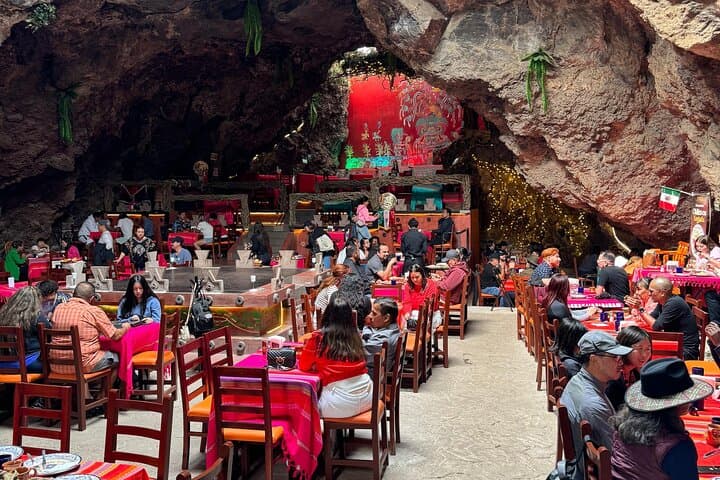
You wake before dawn as Mexico City's skyline tightens into a long ribbon behind the van; by the time the sun clears the valley, you’re sitting inside a natural cave with steam rising from a cup of coffee. The cave restaurant at Coatlán frames the day — warm tortillas, fresh fruit and a bowl of caldo — a strangely intimate start before walking into one of Mesoamerica’s largest urban landscapes.
Verified experiences and guided adventures in the surrounding area.
Operated by Coatlan Experiencias · San Juan Teotihuacán, State of Mexico
You wake before dawn as Mexico City's skyline tightens into a long ribbon behind the van; by the time the sun clears the valley, you’re sitting inside a natural cave with steam rising from a cup of coffee. The cave restaurant at Coatlán frames the day — warm tortillas, fresh fruit and a bowl of caldo — a strangely intimate start before walking into one of Mesoamerica’s largest urban landscapes.
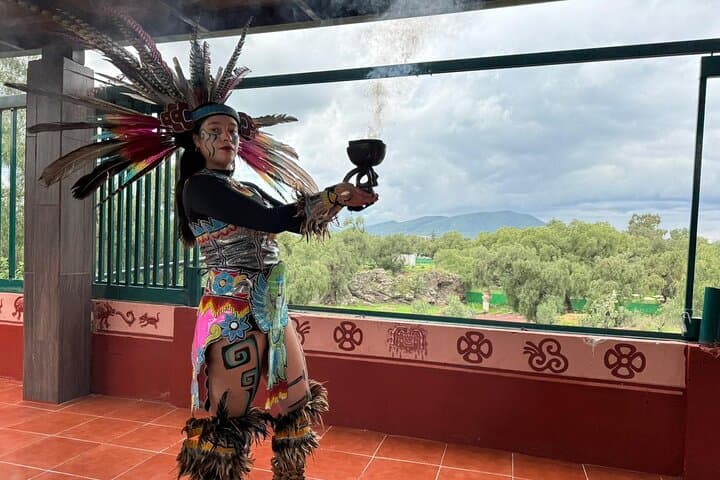
Teotihuacan rose between roughly 100–650 AD and grew into a planned city with broad avenues, monumental pyramids and a dense web of workshops. The region’s geology — volcanic rock, layer upon layer of ash and tezontle — supplied the raw materials for its obsidian industry. On this tour you learn how maguey fed social rituals (and pulque), handle glass-sharp obsidian in a hands-on workshop, then walk the Avenue of the Dead under an expert guide’s commentary.
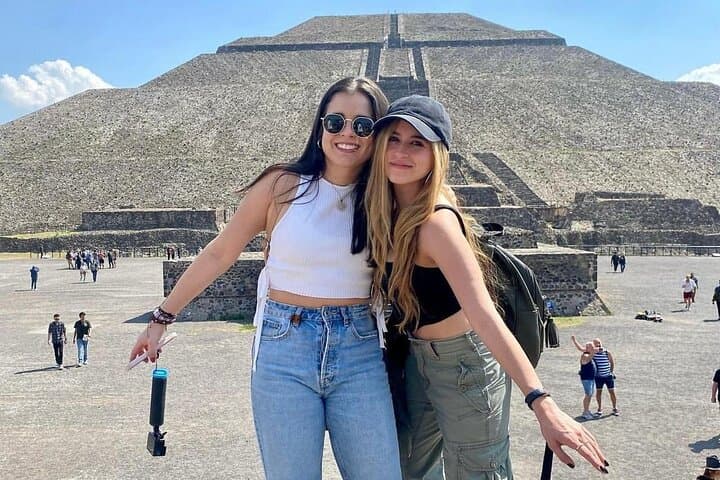
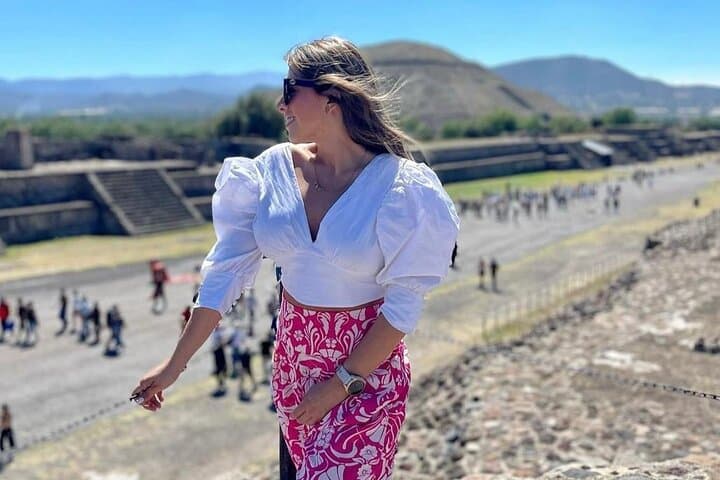
Expect to climb the Moon Pyramid for a broad panorama, step among palace foundations and stand beneath glyph-carved altars. Practically: wear sturdy shoes, sunscreen and carry water, since the site is exposed and the walk includes uneven stone and stairs. Pickup from central CDMX neighborhoods simplifies logistics, though return times can slip with city traffic.
Bring a lightweight layer for morning cave dining and early return drives, and keep small bills for crafts and market snacks. The tour balances sensory moments — the cave’s cool air, the warm stonescape of the pyramids — with cultural context, leaving you with both striking photos and a clearer sense of how Teotihuacan shaped Mesoamerican trade and ritual life.
easy.
5–6 hours.
Light walking and several flights of uneven stone stairs; suitable for most fitness levels but expect some steep climbs when ascending pyramids.
Yes — guests can climb the Moon Pyramid and portions of the Sun Pyramid when allowed by site regulations; your guide will advise on safe routes and current access rules.
Pickup is offered from central neighborhoods like Condesa, Roma, Reforma, Polanco and Centro Histórico if you chose the transport option; confirm your pickup point at booking.
The cave restaurant has uneven terrain and steps; while the tour is marked as physically easy overall, cave access may be difficult for guests with limited mobility — contact the operator to discuss accommodations.
Yes — the tour includes entrance to the Teotihuacan Archaeological Zone and the Coatlán Cultural Center, as well as the obsidian/maguey workshop and the cave breakfast as listed in inclusions.
Teotihuacan was a major urban center from roughly 100–650 AD, central to long-distance obsidian trade and large ceremonial complexes including the Sun and Moon Pyramids.
High visitor numbers accelerate erosion on stairways and plaza surfaces; stick to marked paths, don’t climb restricted zones, and support local artisans to keep heritage tourism sustainable.
Coatlan Experiencias operates guided outdoor trips and adventures with an emphasis on safety, stewardship, and memorable experiences.
You wake before dawn as Mexico City's skyline tightens into a long ribbon behind the van; by the time the sun clears the valley, you’re sitting inside a natural cave with steam rising from a cup of coffee. The cave restaurant at Coatlán frames the day — warm tortillas, fresh fruit and a bowl of caldo — a strangely intimate start before walking into one of Mesoamerica’s largest urban landscapes.
You wake before dawn as Mexico City's skyline tightens into a long ribbon behind the van; by the time the sun clears the valley, you’re sitting inside a natural cave with steam rising from a cup of coffee. The cave restaurant at Coatlán frames the day — warm tortillas, fresh fruit and a bowl of caldo — a strangely intimate start before walking into one of Mesoamerica’s largest urban landscapes.
Teotihuacan rose between roughly 100–650 AD and grew into a planned city with broad avenues, monumental pyramids and a dense web of workshops. The region’s geology — volcanic rock, layer upon layer of ash and tezontle — supplied the raw materials for its obsidian industry. On this tour you learn how maguey fed social rituals (and pulque), handle glass-sharp obsidian in a hands-on workshop, then walk the Avenue of the Dead under an expert guide’s commentary.
Expect to climb the Moon Pyramid for a broad panorama, step among palace foundations and stand beneath glyph-carved altars. Practically: wear sturdy shoes, sunscreen and carry water, since the site is exposed and the walk includes uneven stone and stairs. Pickup from central CDMX neighborhoods simplifies logistics, though return times can slip with city traffic.
Bring a lightweight layer for morning cave dining and early return drives, and keep small bills for crafts and market snacks. The tour balances sensory moments — the cave’s cool air, the warm stonescape of the pyramids — with cultural context, leaving you with both striking photos and a clearer sense of how Teotihuacan shaped Mesoamerican trade and ritual life.