THE ADVENTURE COLLECTIVE® · Independent discovery and booking for outdoor travel

Spend a day traveling from Puebla to Teotihuacán’s monumental pyramids with private transport and a bilingual host. This 5–6 hour cultural tour covers the Sun and Moon pyramids, Palace of Quetzalpapálotl and the main avenues with time for local food and handicrafts.
Spend a day traveling from Puebla to Teotihuacán’s monumental pyramids with private transport and a bilingual host. This 5–6 hour cultural tour covers the Sun and Moon pyramids, Palace of Quetzalpapálotl and the main avenues with time for local food and handicrafts.
A low-slung sun warms the volcanic plain as the tour van eases into the shaded lot beside the Site Museum. Visitors step out into a wide, wind-swept space where the Pyramid of the Sun looms like an ancient platform, daring walkers upward and offering a clear, unhurried view across the Avenue of the Dead.
Verified experiences and guided adventures in the surrounding area.
Operated by Bufón Tours · Teotihuacán, State of Mexico
A low-slung sun warms the volcanic plain as the tour van eases into the shaded lot beside the Site Museum. Visitors step out into a wide, wind-swept space where the Pyramid of the Sun looms like an ancient platform, daring walkers upward and offering a clear, unhurried view across the Avenue of the Dead.
Teotihuacán was one of Mesoamerica’s largest cities between roughly 100–700 CE, a place where stone, ritual and craft converged to shape the region’s political and religious life. The city’s layout—broad processional avenues, aligned pyramids and residential compounds—reflects deliberate urban planning on volcanic terrain, with local tezontle and other igneous rocks carved and lifted into monumental form.
Culturally, Teotihuacán’s influence spread far beyond its walls; pottery styles and architectural motifs traveled across highland Mexico. Modern local communities maintain craft traditions and sell handwoven textiles and obsidian jewelry near the site.
Practicalities matter here: the tour from Puebla runs about 5–6 hours, with guided exploration of the Pyramid of the Sun, Pyramid of the Moon, the Citadel and the Palace of Quetzalpapálotl. Expect uneven stone steps, exposed climbs and open sun; water, sun protection and steady shoes make the experience smoother. Photography is excellent in the morning light; late afternoon casts long shadows across reliefs.
Respect site rules—stay on marked paths, avoid climbing restricted sections—and leave no trace. With a bilingual host and private transport from Puebla, the day balances cultural depth and easy logistics, letting travelers trade a morning in Puebla for an afternoon among some of Mexico’s most commanding ruins.
moderate.
5–6 hours.
Moderate fitness: able to walk on uneven ground and climb multiple flights of stone stairs.
The tour runs approximately 5–6 hours door-to-door, including transport, guided time in the archaeological zone and a short local break.
Admission to the Teotihuacán Archaeological Zone is typically included as part of this guided tour; confirm on booking details.
The site has uneven stone and steep climbs; parts of the complex are accessible but those with spinal or cardiovascular conditions should consult the operator.
Yes—there are vendors and small eateries near the site and museum; cash is helpful for purchases and tips.
Teotihuacán grew into a major urban center between 1–7th centuries CE and influenced ceramic, architectural and ritual practices across Mesoamerica.
As a protected archaeological zone, visitors should stay on marked paths, avoid touching fragile stonework and follow local guidelines to minimize erosion and impact.
Bufón Tours operates guided outdoor trips and adventures with an emphasis on safety, stewardship, and memorable experiences.
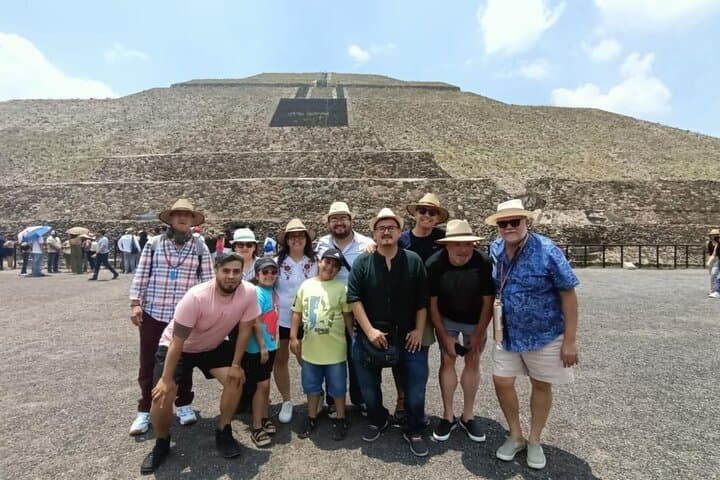
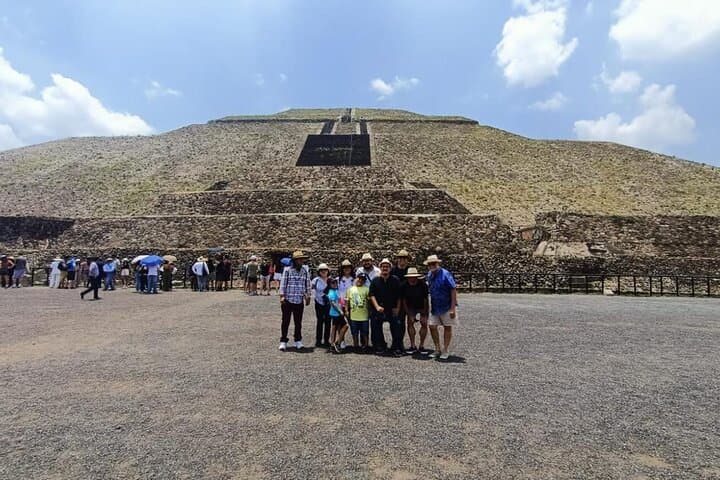
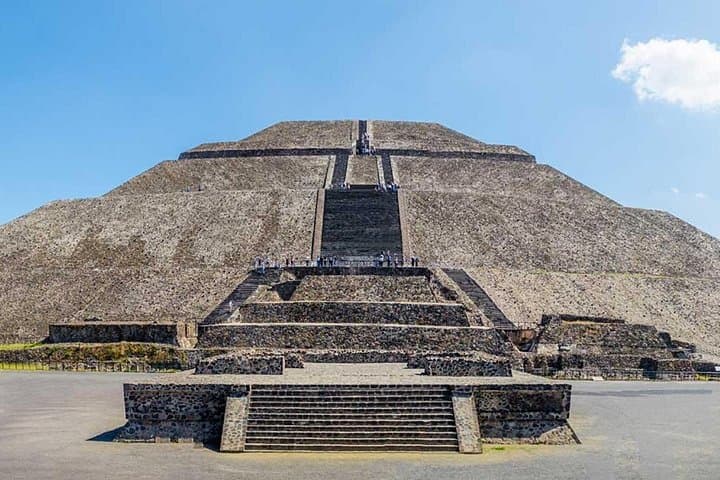
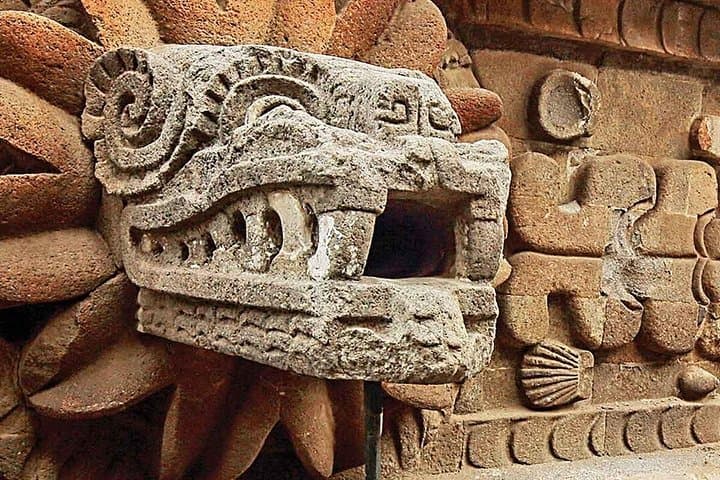
A low-slung sun warms the volcanic plain as the tour van eases into the shaded lot beside the Site Museum. Visitors step out into a wide, wind-swept space where the Pyramid of the Sun looms like an ancient platform, daring walkers upward and offering a clear, unhurried view across the Avenue of the Dead.
A low-slung sun warms the volcanic plain as the tour van eases into the shaded lot beside the Site Museum. Visitors step out into a wide, wind-swept space where the Pyramid of the Sun looms like an ancient platform, daring walkers upward and offering a clear, unhurried view across the Avenue of the Dead.
Teotihuacán was one of Mesoamerica’s largest cities between roughly 100–700 CE, a place where stone, ritual and craft converged to shape the region’s political and religious life. The city’s layout—broad processional avenues, aligned pyramids and residential compounds—reflects deliberate urban planning on volcanic terrain, with local tezontle and other igneous rocks carved and lifted into monumental form.
Culturally, Teotihuacán’s influence spread far beyond its walls; pottery styles and architectural motifs traveled across highland Mexico. Modern local communities maintain craft traditions and sell handwoven textiles and obsidian jewelry near the site.
Practicalities matter here: the tour from Puebla runs about 5–6 hours, with guided exploration of the Pyramid of the Sun, Pyramid of the Moon, the Citadel and the Palace of Quetzalpapálotl. Expect uneven stone steps, exposed climbs and open sun; water, sun protection and steady shoes make the experience smoother. Photography is excellent in the morning light; late afternoon casts long shadows across reliefs.
Respect site rules—stay on marked paths, avoid climbing restricted sections—and leave no trace. With a bilingual host and private transport from Puebla, the day balances cultural depth and easy logistics, letting travelers trade a morning in Puebla for an afternoon among some of Mexico’s most commanding ruins.