THE ADVENTURE COLLECTIVE® · Independent discovery and booking for outdoor travel

Visit Teotihuacan with roundtrip transport from Mexico City, a cave breakfast, guided climbs of the Pyramid of the Sun and Moon, and local tastings. This half-day tour pairs accessible logistics with deep cultural context.
Visit Teotihuacan with roundtrip transport from Mexico City, a cave breakfast, guided climbs of the Pyramid of the Sun and Moon, and local tastings. This half-day tour pairs accessible logistics with deep cultural context.
You arrive before the heat, the bus easing onto a plateau where pyramids rise like ancient machines catching the first light. A small cave breakfast waits — coffee steam mixing with mineral air — a quiet counterpoint before the Causeway of the Dead draws you forward.
Verified experiences and guided adventures in the surrounding area.
Operated by BANKYSH · San Juan Teotihuacán, Estado de México
You arrive before the heat, the bus easing onto a plateau where pyramids rise like ancient machines catching the first light. A small cave breakfast waits — coffee steam mixing with mineral air — a quiet counterpoint before the Causeway of the Dead draws you forward.
Teotihuacan was one of the largest cities in pre-Hispanic Mesoamerica, flourishing between roughly 1–7th centuries CE. The site’s broad avenues and monumental pyramids were built on volcanic plains; the stone and tuff you walk on came from nearby eruptions and ancient lake beds, shaped by human hands into terraces and stairways. Local guides link archaeology to living culture: cacao tasting recalls ancestral ceremonial flavors and nearby craft workshops keep pottery and weaving techniques alive.
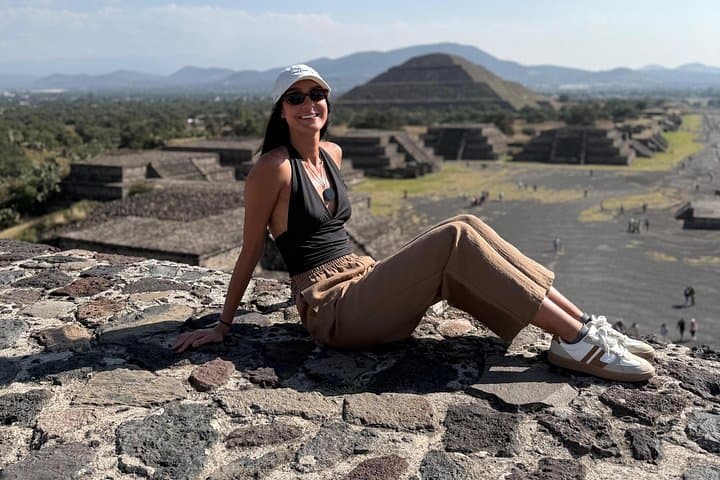
Expect a day of steady walking across packed earth and stone steps: climbing the Pyramid of the Sun requires a sustained ascent with rewarding panoramic views of the Valley of Mexico and the distant volcanoes that once embroidered the skyline.
Practical notes: the tour includes roundtrip transport from Mexico City, entrance to the archaeological zone, bilingual guiding, and a cave breakfast. Wear sun protection and sturdy shoes, carry at least 1–2 liters of water, and pace yourself on stairs; archaeological conservation means some areas are restricted. Plan hotel pickup time carefully and leave a flexible afternoon for return. This is a compact cultural day that blends geology, ritual taste, and hands-on craft stops — ideal for travelers seeking context with comfortable logistics.
moderate.
6 hours.
Moderate fitness—able to walk 3–4 miles and climb multiple long stair sections comfortably.
Yes—this tour includes access to the archaeological zone as listed in the inclusions.
Pickup typically starts around 7:00 AM; confirm your exact pickup point and time when booking.
Climbing access is included where permitted, but some sections may be restricted for conservation or safety—follow your guide’s instructions.
Breakfast is served in a cave setting and usually includes regional items; notify the operator of dietary needs when booking to accommodate alternatives if possible.
Teotihuacan developed into a major urban center between the 1st and 7th centuries CE; its builders created wide avenues and monumental pyramids long before the Aztec era that later revered the site.
Visitor pressure has prompted controlled access to sensitive structures; follow paths, avoid touching masonry, and support local conservation-friendly vendors.
BANKYSH operates guided outdoor trips and adventures with an emphasis on safety, stewardship, and memorable experiences.
You arrive before the heat, the bus easing onto a plateau where pyramids rise like ancient machines catching the first light. A small cave breakfast waits — coffee steam mixing with mineral air — a quiet counterpoint before the Causeway of the Dead draws you forward.
You arrive before the heat, the bus easing onto a plateau where pyramids rise like ancient machines catching the first light. A small cave breakfast waits — coffee steam mixing with mineral air — a quiet counterpoint before the Causeway of the Dead draws you forward.
Teotihuacan was one of the largest cities in pre-Hispanic Mesoamerica, flourishing between roughly 1–7th centuries CE. The site’s broad avenues and monumental pyramids were built on volcanic plains; the stone and tuff you walk on came from nearby eruptions and ancient lake beds, shaped by human hands into terraces and stairways. Local guides link archaeology to living culture: cacao tasting recalls ancestral ceremonial flavors and nearby craft workshops keep pottery and weaving techniques alive.
Expect a day of steady walking across packed earth and stone steps: climbing the Pyramid of the Sun requires a sustained ascent with rewarding panoramic views of the Valley of Mexico and the distant volcanoes that once embroidered the skyline.
Practical notes: the tour includes roundtrip transport from Mexico City, entrance to the archaeological zone, bilingual guiding, and a cave breakfast. Wear sun protection and sturdy shoes, carry at least 1–2 liters of water, and pace yourself on stairs; archaeological conservation means some areas are restricted. Plan hotel pickup time carefully and leave a flexible afternoon for return. This is a compact cultural day that blends geology, ritual taste, and hands-on craft stops — ideal for travelers seeking context with comfortable logistics.