THE ADVENTURE COLLECTIVE® · Independent discovery and booking for outdoor travel

Skip the group rush and explore Teotihuacán at your own speed on a private transfer from Mexico City. Spend 2–3 hours wandering boulevards, climbing the pyramids, and finishing with local food and spirit tastings—no pressure, just flexibility.
Skip the group rush and explore Teotihuacán at your own speed on a private transfer from Mexico City. Spend 2–3 hours wandering boulevards, climbing the pyramids, and finishing with local food and spirit tastings—no pressure, just flexibility.
You step out of the private vehicle onto a hard-packed plaza and the air carries the dry, sun-warmed dust of the Basin of Mexico. The Avenue of the Dead runs straight ahead—broad stone flanked by low platforms—while the Pyramid of the Sun rises to your right, a stepped climb of ancient masonry that seems to dare you upward. Here you set your own tempo: linger on a terrace, photograph the skyline, or catch your breath where the wind cuts across the plateau.
Verified experiences and guided adventures in the surrounding area.
Operated by JaguarTourMX · Teotihuacán, State of Mexico
You step out of the private vehicle onto a hard-packed plaza and the air carries the dry, sun-warmed dust of the Basin of Mexico. The Avenue of the Dead runs straight ahead—broad stone flanked by low platforms—while the Pyramid of the Sun rises to your right, a stepped climb of ancient masonry that seems to dare you upward. Here you set your own tempo: linger on a terrace, photograph the skyline, or catch your breath where the wind cuts across the plateau.
Teotihuacán was a major urban center from roughly 100 BCE to 650 CE; its builders left massive pyramids, aligned boulevards, and sprawling apartment compounds. The geology is volcanic—ash and compacted tephra underlie the site—and many stones are local basalt and tezontle, which age to a warm rust color under sun and rain. Local culture today keeps a living link through artisans, pulque producers, and the small restaurants serving slow-simmered stews near the entrance.
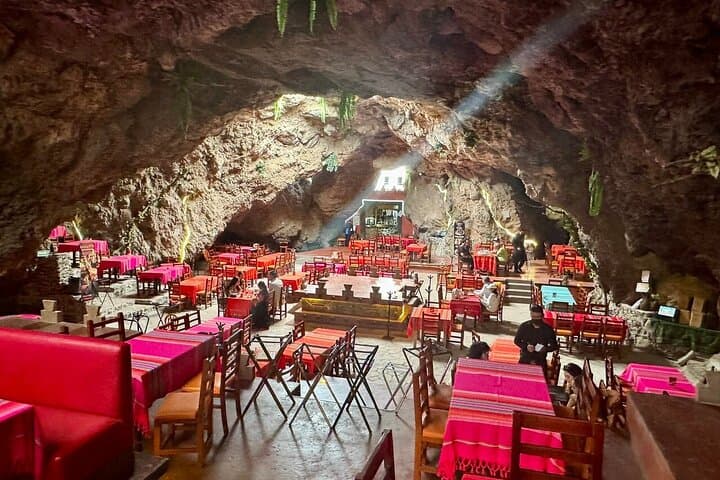
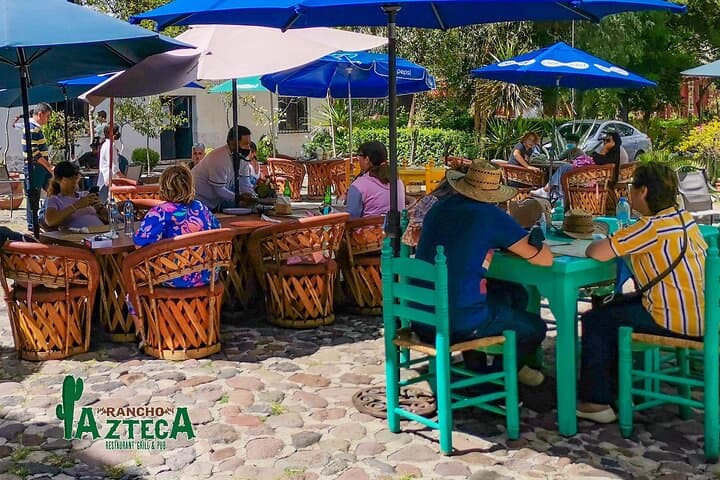
Practical guidance: arrive mid-morning to avoid the hottest hours and take the private transport included if you prefer door-to-door convenience. Expect 2–3 hours of unguided exploration on mostly flat but uneven stone and packed-earth surfaces; there are significant stairs on the pyramids. Bring sun protection, a refillable water bottle, solid shoes, and a lightweight layer against breeze at elevation. For context or deeper history, certified guides wait at the entrance and can be hired by the hour. After your visit the tour commonly includes a traditional meal and a tasting of tequila and pulque—good ways to sample regional flavors without rushing back to the city.
easy.
6–7 hours.
Suitable for travelers who can walk 2–4 miles with some stair climbs; light to moderate fitness required.
Allow 2–3 hours for independent exploration to climb the major pyramids, walk the Avenue of the Dead, and visit small compounds; full archaeological study would take longer.
This private tour includes entrance to the archaeological zone, so you won’t need to purchase tickets on arrival.
The grounds are family-friendly, but pyramid climbs involve steep, uneven steps; infants should be carried and those with mobility issues may prefer to stay on flat areas.
Yes—certified local guides are available at the ticketing area and can be hired for deeper historical context during your visit.
At its peak Teotihuacán was one of the largest cities in pre-Columbian Mesoamerica, influencing architecture and trade across the region between about 100 BCE and 650 CE.
Visitor pressure and natural erosion are the main concerns; stick to marked paths, avoid climbing closed structures, and support local guides and businesses to encourage sustainable tourism.
JaguarTourMX operates guided outdoor trips and adventures with an emphasis on safety, stewardship, and memorable experiences.
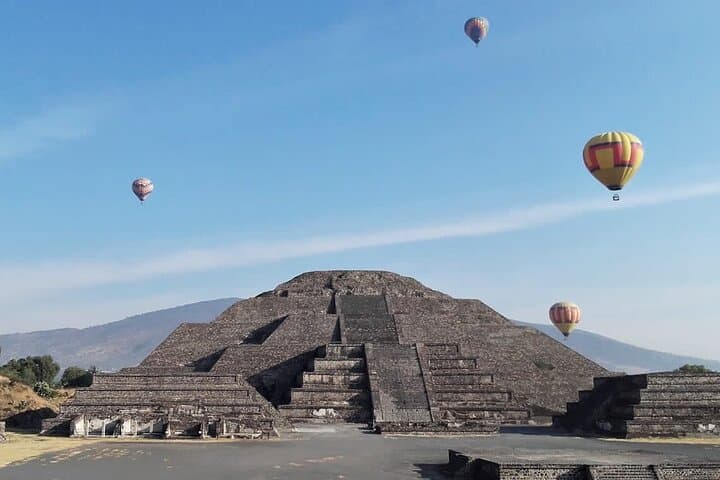
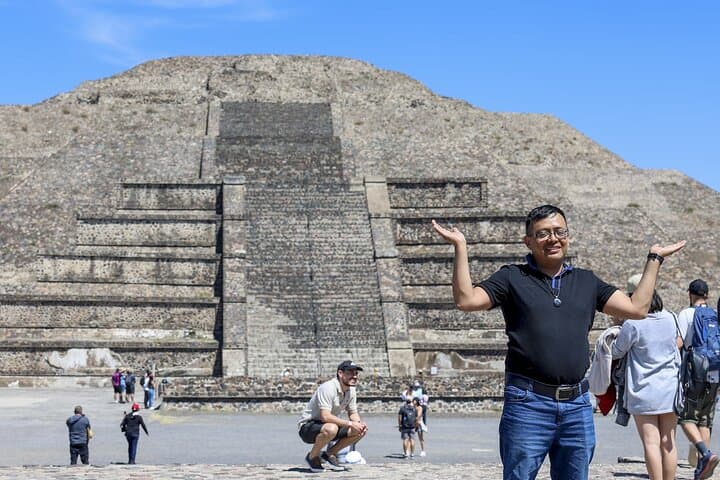
You step out of the private vehicle onto a hard-packed plaza and the air carries the dry, sun-warmed dust of the Basin of Mexico. The Avenue of the Dead runs straight ahead—broad stone flanked by low platforms—while the Pyramid of the Sun rises to your right, a stepped climb of ancient masonry that seems to dare you upward. Here you set your own tempo: linger on a terrace, photograph the skyline, or catch your breath where the wind cuts across the plateau.
You step out of the private vehicle onto a hard-packed plaza and the air carries the dry, sun-warmed dust of the Basin of Mexico. The Avenue of the Dead runs straight ahead—broad stone flanked by low platforms—while the Pyramid of the Sun rises to your right, a stepped climb of ancient masonry that seems to dare you upward. Here you set your own tempo: linger on a terrace, photograph the skyline, or catch your breath where the wind cuts across the plateau.
Teotihuacán was a major urban center from roughly 100 BCE to 650 CE; its builders left massive pyramids, aligned boulevards, and sprawling apartment compounds. The geology is volcanic—ash and compacted tephra underlie the site—and many stones are local basalt and tezontle, which age to a warm rust color under sun and rain. Local culture today keeps a living link through artisans, pulque producers, and the small restaurants serving slow-simmered stews near the entrance.
Practical guidance: arrive mid-morning to avoid the hottest hours and take the private transport included if you prefer door-to-door convenience. Expect 2–3 hours of unguided exploration on mostly flat but uneven stone and packed-earth surfaces; there are significant stairs on the pyramids. Bring sun protection, a refillable water bottle, solid shoes, and a lightweight layer against breeze at elevation. For context or deeper history, certified guides wait at the entrance and can be hired by the hour. After your visit the tour commonly includes a traditional meal and a tasting of tequila and pulque—good ways to sample regional flavors without rushing back to the city.