THE ADVENTURE COLLECTIVE® · Independent discovery and booking for outdoor travel

Visit two of central Mexico’s most compelling ancient cities in a single day. From Teotihuacan’s towering pyramids to Tula’s Atlantean warriors, this guided trip combines deep history with practical logistics for a long, rewarding excursion.
Visit two of central Mexico’s most compelling ancient cities in a single day. From Teotihuacan’s towering pyramids to Tula’s Atlantean warriors, this guided trip combines deep history with practical logistics for a long, rewarding excursion.
You step off the coach into high, dry air and the scale of stone becomes the language of the place: at Teotihuacan the Pyramid of the Sun towers above the Avenue of the Dead, while later the hulking Atlantean figures at Tula stand like sentinels on the horizon.
Verified experiences and guided adventures in the surrounding area.
Operated by Carlos San Roman · Teotihuacán, State of Mexico
You step off the coach into high, dry air and the scale of stone becomes the language of the place: at Teotihuacan the Pyramid of the Sun towers above the Avenue of the Dead, while later the hulking Atlantean figures at Tula stand like sentinels on the horizon.
These sites map successive chapters of central Mexico’s past. Teotihuacan, founded more than 2,000 years ago, grew into a dense ceremonial center shaped by volcanic plains and long-distance obsidian trade; its broad processional axes and feathered-serpent iconography influenced cultures across Mesoamerica. Tula, the Toltec capital several centuries later, projects a martial aesthetic—colossal warrior columns, ballcourts, and carved reliefs that hint at political networks and ritual performance.
Geology is visible underfoot: compacted volcanic sand and mortar hold massive stepped platforms, while basalts and tuffs supplied building stone. Local culture remains present—the small markets and food stalls near each site serve pulque and antojitos—and bilingual guides tie myths to masonry.
Practical guidance: this is a long, active day—expect 9–11 hours including transit. Wear sturdy walking shoes for uneven terraces, bring 2+ liters of water, sun protection, and a small daypack. Start early to beat the heat and crowds at Teotihuacan; keep respect for restricted areas and follow site rules to protect fragile stucco and carvings. Photography is allowed in general areas but check for restricted zones. With a moderate fitness level and attentive pacing, the day delivers two distinct archaeological worlds in one clear, informative trip.
moderate.
9–11 hours.
Suitable for travelers with moderate fitness—able to walk several miles over uneven terrain and climb multiple flights of stone steps.
The full-day tour runs about 10 hours and typically includes round-trip transportation from Mexico City, guided visits to both Teotihuacan and Tula, and admission to the sites as noted by the operator.
Infants must sit on laps; the tour notes infant seats are available. Young children can do the day but expect lots of walking and stairs—plan breaks and monitor sun exposure.
Some pyramid areas allow climbing on designated stairways, but access can change; follow onsite rules and avoid restricted sections to protect the archaeology.
Tipping is customary in Mexico; consider a modest tip for the guide and driver if service was satisfactory—cash in local currency is easiest.
Teotihuacan rose to prominence by 1st–7th century CE as a major ritual and economic center; centuries later Tula became a Toltec center known for militarized iconography and regional influence.
Both parks face wear from high visitor numbers—stay on marked paths, avoid touching fragile surfaces, and use local guides who follow site protection rules.
Carlos San Roman operates guided outdoor trips and adventures with an emphasis on safety, stewardship, and memorable experiences.

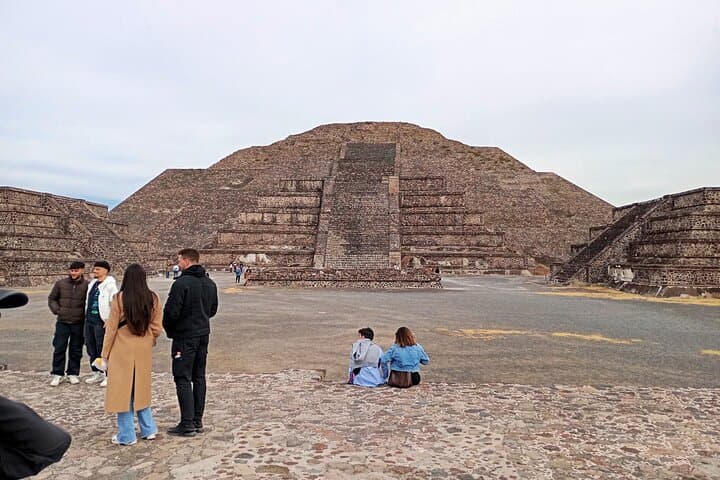

You step off the coach into high, dry air and the scale of stone becomes the language of the place: at Teotihuacan the Pyramid of the Sun towers above the Avenue of the Dead, while later the hulking Atlantean figures at Tula stand like sentinels on the horizon.
You step off the coach into high, dry air and the scale of stone becomes the language of the place: at Teotihuacan the Pyramid of the Sun towers above the Avenue of the Dead, while later the hulking Atlantean figures at Tula stand like sentinels on the horizon.
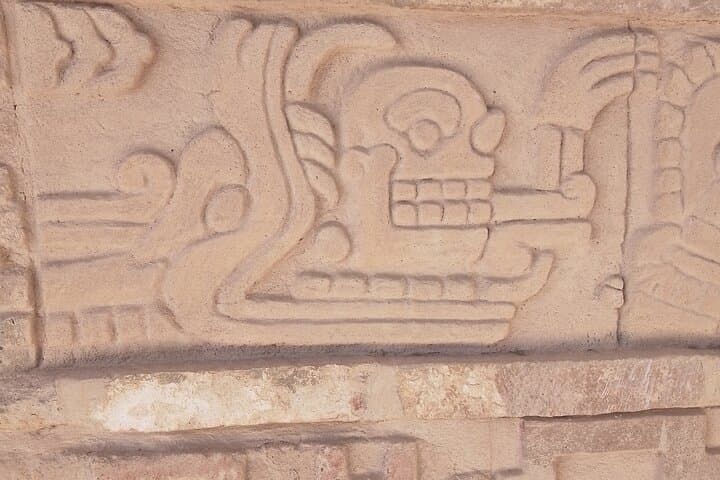
These sites map successive chapters of central Mexico’s past. Teotihuacan, founded more than 2,000 years ago, grew into a dense ceremonial center shaped by volcanic plains and long-distance obsidian trade; its broad processional axes and feathered-serpent iconography influenced cultures across Mesoamerica. Tula, the Toltec capital several centuries later, projects a martial aesthetic—colossal warrior columns, ballcourts, and carved reliefs that hint at political networks and ritual performance.
Geology is visible underfoot: compacted volcanic sand and mortar hold massive stepped platforms, while basalts and tuffs supplied building stone. Local culture remains present—the small markets and food stalls near each site serve pulque and antojitos—and bilingual guides tie myths to masonry.
Practical guidance: this is a long, active day—expect 9–11 hours including transit. Wear sturdy walking shoes for uneven terraces, bring 2+ liters of water, sun protection, and a small daypack. Start early to beat the heat and crowds at Teotihuacan; keep respect for restricted areas and follow site rules to protect fragile stucco and carvings. Photography is allowed in general areas but check for restricted zones. With a moderate fitness level and attentive pacing, the day delivers two distinct archaeological worlds in one clear, informative trip.