THE ADVENTURE COLLECTIVE® · Independent discovery and booking for outdoor travel

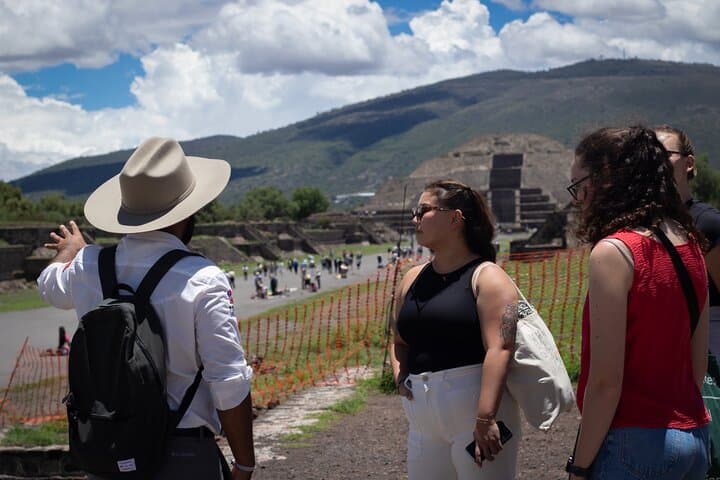
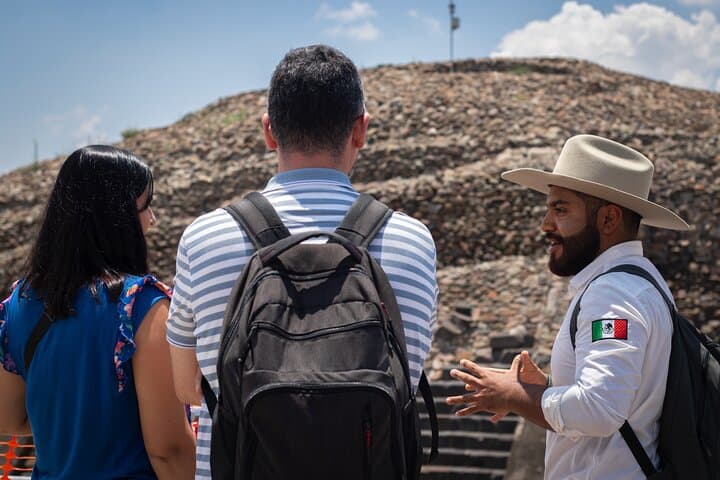
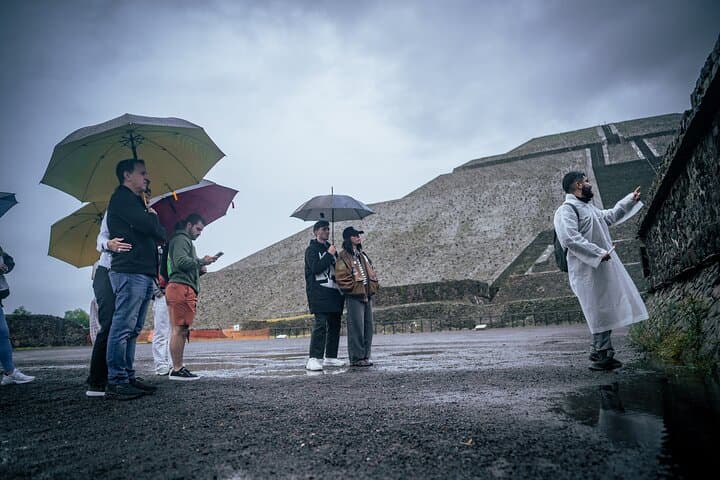
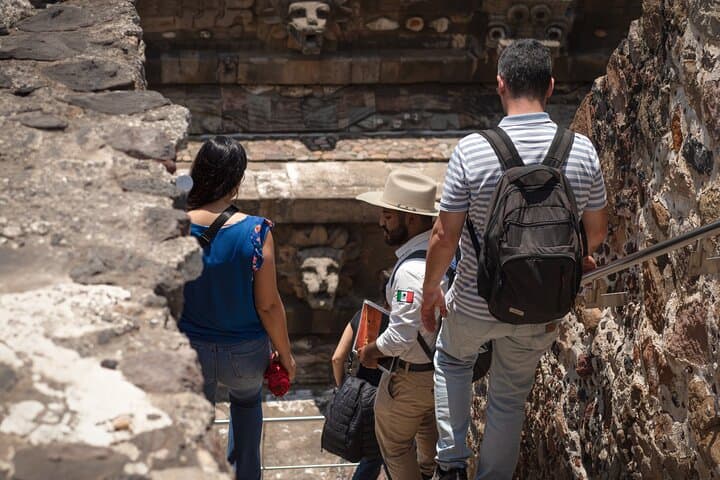
Start your morning with breakfast in a cave, then walk the Calzada de los Muertos past the Sun, Moon and Quetzalcóatl temples. This guided half-day tour pairs archaeological context, an obsidian workshop and timed access to beat the crowds.
Start your morning with breakfast in a cave, then walk the Calzada de los Muertos past the Sun, Moon and Quetzalcóatl temples. This guided half-day tour pairs archaeological context, an obsidian workshop and timed access to beat the crowds.
Dawn breaks over a broad valley and the Sun Pyramid looms like a weathered giant, its terraces catching the first clear light while a guide leads the group down a compacted earth path. The day begins not at the plaza but in a cool natural cave where a traditional Mexican breakfast settles the body before the walking starts; steam rises and the canyon hush gives way to the city's layered voices.
Verified experiences and guided adventures in the surrounding area.
Operated by Yolotli Adventures · Teotihuacán, Estado de México
Dawn breaks over a broad valley and the Sun Pyramid looms like a weathered giant, its terraces catching the first clear light while a guide leads the group down a compacted earth path. The day begins not at the plaza but in a cool natural cave where a traditional Mexican breakfast settles the body before the walking starts; steam rises and the canyon hush gives way to the city's layered voices.
Teotihuacán rose between about 100 BCE and 700 CE and its avenues and pyramids were built on volcanic soils—tuff, pumice and compacted ash—that still crunch underfoot. Obsidian workshops scattered around the site supplied razor-edged tools and ceremonial objects; the stone’s glassy black faces are explained at an artisan stop, grounding cultural context in material geology. As you walk the Calzada de los Muertos you feel the city’s grid logic and social reach: the Sun (≈65 m) and Moon (≈43 m) pyramids frame broad sightlines, while the feathered-serpent platform invites a careful, partial ascent.
Expect 3–4 km of on-site walking, uneven stone, and thin air—Teotihuacán sits near 2,300 m—so pace yourself. Practical notes: go early to avoid midday sun and crowds, wear grippy footwear, carry sun protection and at least 1–2 liters of water, and bring small cash for crafts. Respect site rules about climbing and photography in conserved areas. This is a blend of archaeology, geology and living craft—hands-on history with the practical rhythm of a guided field day.
moderate.
6–7 hours.
Moderate fitness; able to walk several kilometers on uneven ground and climb stone terraces at high altitude
Confirm with your operator—many tours note that adult entrance fees are not included; minors (13 and under) often enter free according to local policy.
Partial climbs are commonly allowed (Quetzalcóatl and certain terraces) but subject to site rules and weather—follow your guide’s instructions and signage.
The tour covers several kilometers on uneven ground and stone steps over about 6–7 hours total; it’s moderate rather than technical but requires steady mobility.
Yes—this tour includes round-trip air-conditioned transport and pickup options; check your booking for exact pickup locations and times.
Teotihuacán was a major urban center between roughly 100 BCE and 700 CE; its planners used a rectilinear grid and monumental architecture that influenced later Mesoamerican cultures, including the Aztecs.
Site preservation is managed by the Mexican heritage authorities; visitors should stick to marked paths, avoid touching fragile reliefs, and minimize single-use plastics to reduce impact.
Yolotli Adventures operates guided outdoor trips and adventures with an emphasis on safety, stewardship, and memorable experiences.
Dawn breaks over a broad valley and the Sun Pyramid looms like a weathered giant, its terraces catching the first clear light while a guide leads the group down a compacted earth path. The day begins not at the plaza but in a cool natural cave where a traditional Mexican breakfast settles the body before the walking starts; steam rises and the canyon hush gives way to the city's layered voices.
Dawn breaks over a broad valley and the Sun Pyramid looms like a weathered giant, its terraces catching the first clear light while a guide leads the group down a compacted earth path. The day begins not at the plaza but in a cool natural cave where a traditional Mexican breakfast settles the body before the walking starts; steam rises and the canyon hush gives way to the city's layered voices.
Teotihuacán rose between about 100 BCE and 700 CE and its avenues and pyramids were built on volcanic soils—tuff, pumice and compacted ash—that still crunch underfoot. Obsidian workshops scattered around the site supplied razor-edged tools and ceremonial objects; the stone’s glassy black faces are explained at an artisan stop, grounding cultural context in material geology. As you walk the Calzada de los Muertos you feel the city’s grid logic and social reach: the Sun (≈65 m) and Moon (≈43 m) pyramids frame broad sightlines, while the feathered-serpent platform invites a careful, partial ascent.
Expect 3–4 km of on-site walking, uneven stone, and thin air—Teotihuacán sits near 2,300 m—so pace yourself. Practical notes: go early to avoid midday sun and crowds, wear grippy footwear, carry sun protection and at least 1–2 liters of water, and bring small cash for crafts. Respect site rules about climbing and photography in conserved areas. This is a blend of archaeology, geology and living craft—hands-on history with the practical rhythm of a guided field day.