THE ADVENTURE COLLECTIVE® · Independent discovery and booking for outdoor travel

Tackle almost seven miles of Class III–IV rapids on the Tenorio run—an adrenaline-packed full-day rafting trip from Tamarindo through Guanacaste’s volcanic foothills. Expect certified guides, a riverside lunch, and variable currents that change with the season.
Tackle almost seven miles of Class III–IV rapids on the Tenorio run—an adrenaline-packed full-day rafting trip from Tamarindo through Guanacaste’s volcanic foothills. Expect certified guides, a riverside lunch, and variable currents that change with the season.
A humid dawn in Guanacaste: the van eases away from Tamarindo and the road tightens into green ridgelines. By midmorning the river appears below—clean, fast, and impatient—pushing toward a series of almost seven miles of white-water that demand attention. Guides brief the group on the bank; paddles click, helmets settle, and the river begins to pull the raft into its rhythm.
Verified experiences and guided adventures in the surrounding area.
Operated by Guanacaste Adventure & Travel · Bijagua, Guanacaste
A humid dawn in Guanacaste: the van eases away from Tamarindo and the road tightens into green ridgelines. By midmorning the river appears below—clean, fast, and impatient—pushing toward a series of almost seven miles of white-water that demand attention. Guides brief the group on the bank; paddles click, helmets settle, and the river begins to pull the raft into its rhythm.
The Tenorio watershed drains a volcanic spine that shapes the channel—steep gradients carved from recent volcanic flows and tropical runoff create the Class III–IV drops that define this run. The area’s soil is young and volcanic, the forest dense with native trees and farmland where Guanacaste’s mixed-culture settlers raised cattle and coffee. Locals around Bijagua and Tamarindo still tell stories of seasonal river changes: the current in the wet months swells with the pulse of the highlands.
Practically, expect a full-day outing (roughly 7–8 hours door-to-door), small groups, certified equipment and an included river lunch. No prior rafting experience is required, but the trip is physically demanding—paddling, bracing, and swims can happen; children must be 12 or older. Guides carry dry bags for essentials and will coach strokes and safety commands before every rapid.
For planning: wear secure water shoes and quick-dry layers, leave valuables locked in the pickup, and bring sunscreen and insect repellent. If you want the biggest swells, book during the rainy season; for lower, technical runs choose the dryer months. Above all, follow your guide—this river gives no quarter but rewards focus with raw, kinetic scenery and a day you’ll remember long after the mud dries.
challenging.
7–8 hours.
Good cardiovascular fitness and upper-body endurance; comfortable with sustained paddling, brief swims, and rapid brace techniques.
Children must be at least 12 years old to join this Class III–IV rafting trip due to the physical demands and safety requirements.
Yes — the tour includes private, air-conditioned transportation from pickup points in the Tamarindo area; expect a multi-hour round trip depending on exact pickup location.
This trip is not recommended for pregnant travelers or those with heart or spinal conditions; customers should have a moderate to strong fitness level and be comfortable in moving water.
The operator may cancel for safety in bad weather or if the minimum of four adults isn't met; cancelations within policy allow a full refund when made at least 24 hours ahead.
The river channels here run through terrain shaped by recent volcanic activity in the Guanacaste mountain chain; local communities historically combined cattle ranching and small-scale coffee cultivation.
Operators typically follow leave-no-trace practices and use certified equipment; visitors should avoid polluting the river and support guides that follow local conservation guidelines.
Guanacaste Adventure & Travel operates guided outdoor trips and adventures with an emphasis on safety, stewardship, and memorable experiences.
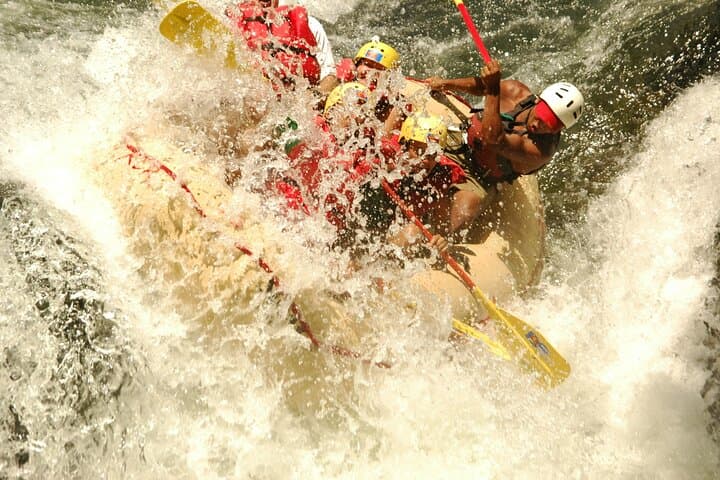
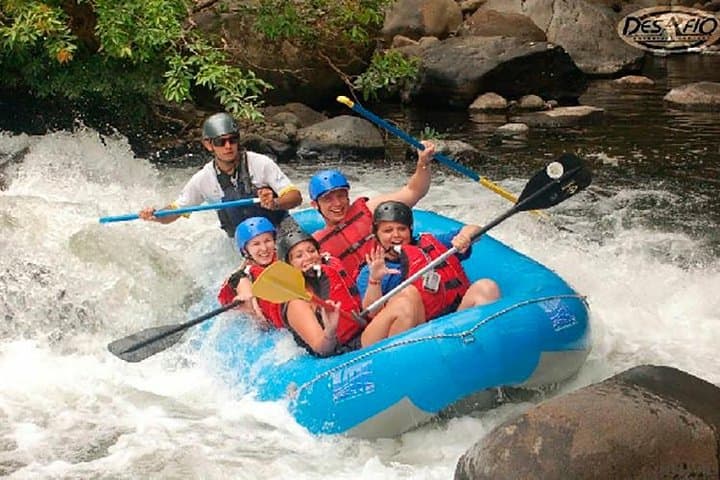
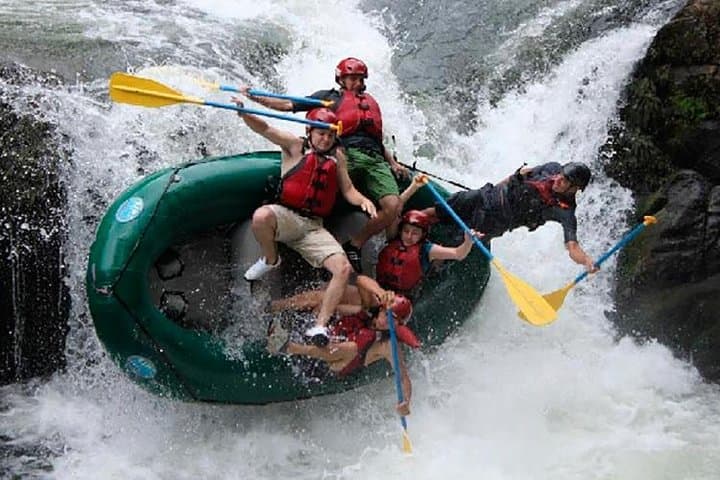
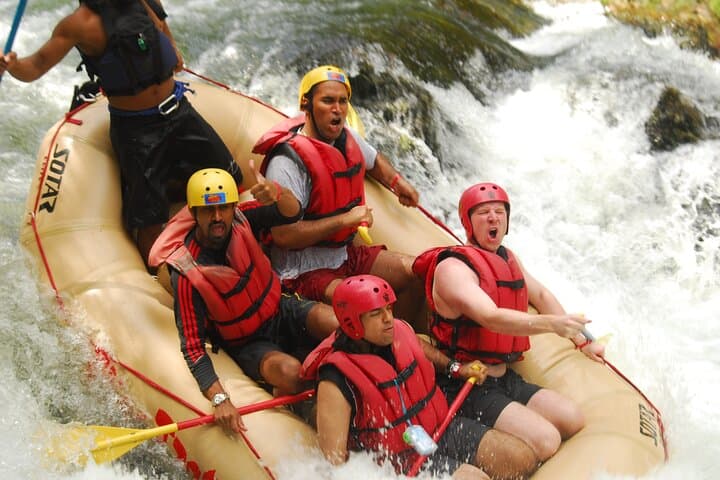
A humid dawn in Guanacaste: the van eases away from Tamarindo and the road tightens into green ridgelines. By midmorning the river appears below—clean, fast, and impatient—pushing toward a series of almost seven miles of white-water that demand attention. Guides brief the group on the bank; paddles click, helmets settle, and the river begins to pull the raft into its rhythm.
A humid dawn in Guanacaste: the van eases away from Tamarindo and the road tightens into green ridgelines. By midmorning the river appears below—clean, fast, and impatient—pushing toward a series of almost seven miles of white-water that demand attention. Guides brief the group on the bank; paddles click, helmets settle, and the river begins to pull the raft into its rhythm.
The Tenorio watershed drains a volcanic spine that shapes the channel—steep gradients carved from recent volcanic flows and tropical runoff create the Class III–IV drops that define this run. The area’s soil is young and volcanic, the forest dense with native trees and farmland where Guanacaste’s mixed-culture settlers raised cattle and coffee. Locals around Bijagua and Tamarindo still tell stories of seasonal river changes: the current in the wet months swells with the pulse of the highlands.
Practically, expect a full-day outing (roughly 7–8 hours door-to-door), small groups, certified equipment and an included river lunch. No prior rafting experience is required, but the trip is physically demanding—paddling, bracing, and swims can happen; children must be 12 or older. Guides carry dry bags for essentials and will coach strokes and safety commands before every rapid.
For planning: wear secure water shoes and quick-dry layers, leave valuables locked in the pickup, and bring sunscreen and insect repellent. If you want the biggest swells, book during the rainy season; for lower, technical runs choose the dryer months. Above all, follow your guide—this river gives no quarter but rewards focus with raw, kinetic scenery and a day you’ll remember long after the mud dries.