THE ADVENTURE COLLECTIVE® · Independent discovery and booking for outdoor travel

Launch from Liberia and meet the Tenorio River: class I–IV rapids with an optional 12‑foot class V drop, volcanic scenery, and a post‑run Casado lunch. This six‑hour outing mixes adrenaline with Costa Rican riverside wildlife and practical logistics for a confident day trip.
Launch from Liberia and meet the Tenorio River: class I–IV rapids with an optional 12‑foot class V drop, volcanic scenery, and a post‑run Casado lunch. This six‑hour outing mixes adrenaline with Costa Rican riverside wildlife and practical logistics for a confident day trip.
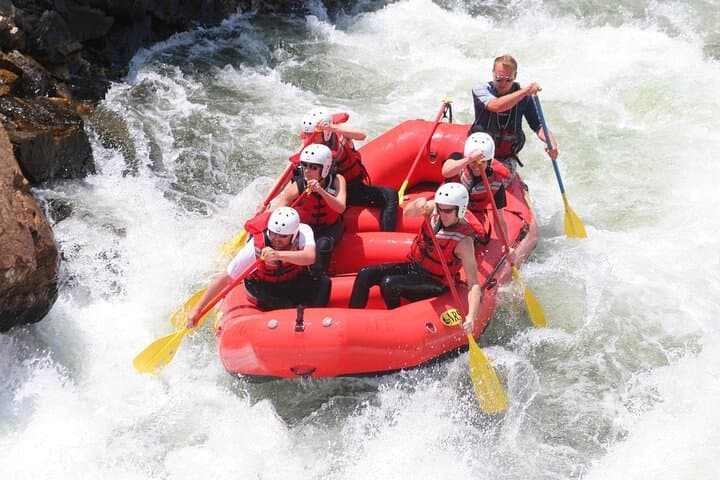
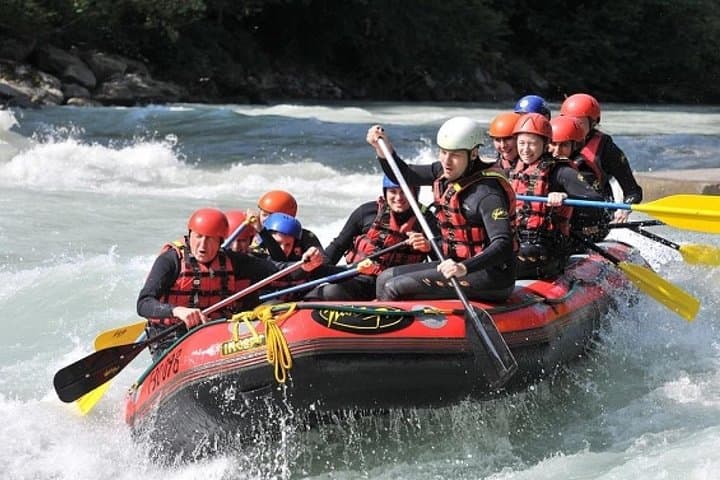
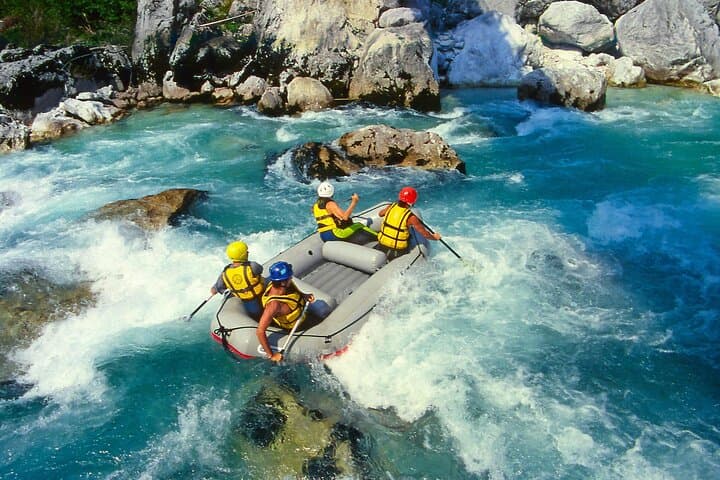
The morning air thickens as an air‑conditioned van pulls out of Liberia and drives toward the tree line where the Tenorio River flashes through the forest like a silver seam. Guides check gear with calm efficiency, life jackets clicking, paddles laid across inflated rafts. By the time you crest the last ridge the river has already changed tone — from a ribbon of green to a throat‑tightening run of froth and rock. The first set of rapids announces itself, and the raft answers with collective shouts and the slap of oars.
Verified experiences and guided adventures in the surrounding area.
Operated by Orly Tours · Liberia, Guanacaste
The morning air thickens as an air‑conditioned van pulls out of Liberia and drives toward the tree line where the Tenorio River flashes through the forest like a silver seam. Guides check gear with calm efficiency, life jackets clicking, paddles laid across inflated rafts. By the time you crest the last ridge the river has already changed tone — from a ribbon of green to a throat‑tightening run of froth and rock. The first set of rapids announces itself, and the raft answers with collective shouts and the slap of oars.
This stretch of the Tenorio River threads volcanic soil, eroded basalt, and steep riverbanks carved since the Tenorio Volcano last reshaped the landscape. Geology here is honest: bedrock shows where flows forced new channels, and gravel bars mark the river’s seasonal moods. Historically, the Guanacaste region developed around cattle ranching and small farming communities; today the ride blends that rural culture with a tourism rhythm — guides often stop to explain local plants or to point out a family of howler monkeys settling into the canopy.
Wildlife keeps its distance until you’re rolling down a calm pool, when birds — kingfishers, toucans, coatis — appear at the water’s edge like punctuation. The company provides a traditional Casado lunch afterward: rice, beans, plantain and protein, a practical, satisfying refuel that feels more like a shared table than a packaged meal.
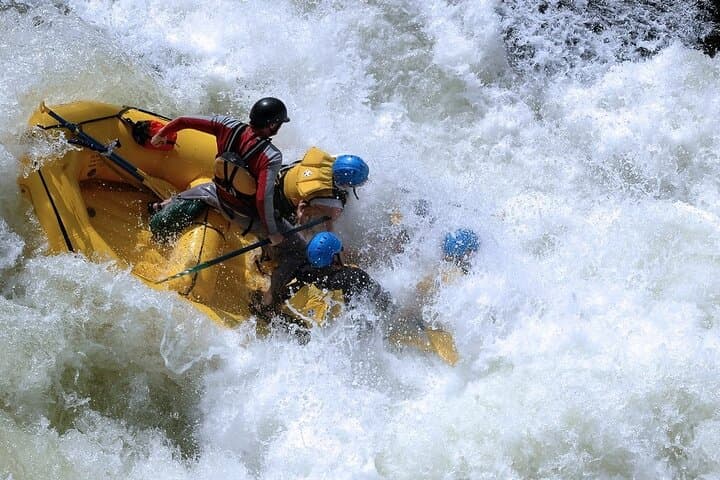
The rapids on this tour are typically class I–IV, with an optional 12‑foot drop (class V) depending on flow and group experience; operators tailor each run to the group so you can choose more challenge or a steadier float. The on‑water portion runs around two hours; the full experience, including hotel transfers and lunch, is roughly six hours.
Practical edge: arrive with quick‑dry layers, closed‑toe water shoes, and a small dry bag for phone and sunscreen. Guides conduct a safety briefing and provide all technical gear, but a basic swimming ability is recommended. Dry season (December–April) offers lower, punchier rapids and clearer skies; rainy season (May–November) brings higher water and more powerful runs — the optional drop may be offered then, but conditions change rapidly.
If you’re based in Liberia or Playa Hermosa, the trip is an easy day escape. Bring cash for tips, a spare swimsuit, and a willingness to be instructed. For paddlers, the Tenorio River is candid and physical — sometimes playful, sometimes strict — and it keeps you honest about your balance, timing, and appetite for speed.
moderate.
6 hours (approx.).
Moderate fitness required—able to paddle, brace, and handle short bursts of exertion; basic swimming skills recommended.
Expect about two hours on the river; the full tour, including transfers and lunch, totals roughly six hours.
No prior experience is necessary—guides provide instruction and can tailor rapid choices—but a moderate fitness level and comfort in water are important.
Yes. The company supplies helmets, life jackets, paddles and a safety briefing before launch.
No. The class V drop is conditional—offered only when water levels and group skill allow; guides assess conditions day‑of.
Wear a swimsuit, quick‑dry clothes, and closed‑toe water shoes; bring a dry bag, sunscreen, and any personal medication.
Full refund if you cancel at least 24 hours before departure; trips may be canceled by the operator for bad weather or insufficient travelers.
Guanacaste evolved from ranching and agricultural roots; river corridors like Tenorio have long supported local communities and now attract ecotourism that blends livelihoods with conservation.
Operators follow basic river etiquette—limited group sizes, leave‑no‑trace lunches, and guidance on wildlife observation—to reduce impact on riparian habitat.
Orly Tours operates guided outdoor trips and adventures with an emphasis on safety, stewardship, and memorable experiences.
The morning air thickens as an air‑conditioned van pulls out of Liberia and drives toward the tree line where the Tenorio River flashes through the forest like a silver seam. Guides check gear with calm efficiency, life jackets clicking, paddles laid across inflated rafts. By the time you crest the last ridge the river has already changed tone — from a ribbon of green to a throat‑tightening run of froth and rock. The first set of rapids announces itself, and the raft answers with collective shouts and the slap of oars.
The morning air thickens as an air‑conditioned van pulls out of Liberia and drives toward the tree line where the Tenorio River flashes through the forest like a silver seam. Guides check gear with calm efficiency, life jackets clicking, paddles laid across inflated rafts. By the time you crest the last ridge the river has already changed tone — from a ribbon of green to a throat‑tightening run of froth and rock. The first set of rapids announces itself, and the raft answers with collective shouts and the slap of oars.
This stretch of the Tenorio River threads volcanic soil, eroded basalt, and steep riverbanks carved since the Tenorio Volcano last reshaped the landscape. Geology here is honest: bedrock shows where flows forced new channels, and gravel bars mark the river’s seasonal moods. Historically, the Guanacaste region developed around cattle ranching and small farming communities; today the ride blends that rural culture with a tourism rhythm — guides often stop to explain local plants or to point out a family of howler monkeys settling into the canopy.
Wildlife keeps its distance until you’re rolling down a calm pool, when birds — kingfishers, toucans, coatis — appear at the water’s edge like punctuation. The company provides a traditional Casado lunch afterward: rice, beans, plantain and protein, a practical, satisfying refuel that feels more like a shared table than a packaged meal.
The rapids on this tour are typically class I–IV, with an optional 12‑foot drop (class V) depending on flow and group experience; operators tailor each run to the group so you can choose more challenge or a steadier float. The on‑water portion runs around two hours; the full experience, including hotel transfers and lunch, is roughly six hours.
Practical edge: arrive with quick‑dry layers, closed‑toe water shoes, and a small dry bag for phone and sunscreen. Guides conduct a safety briefing and provide all technical gear, but a basic swimming ability is recommended. Dry season (December–April) offers lower, punchier rapids and clearer skies; rainy season (May–November) brings higher water and more powerful runs — the optional drop may be offered then, but conditions change rapidly.
If you’re based in Liberia or Playa Hermosa, the trip is an easy day escape. Bring cash for tips, a spare swimsuit, and a willingness to be instructed. For paddlers, the Tenorio River is candid and physical — sometimes playful, sometimes strict — and it keeps you honest about your balance, timing, and appetite for speed.