THE ADVENTURE COLLECTIVE® · Independent discovery and booking for outdoor travel

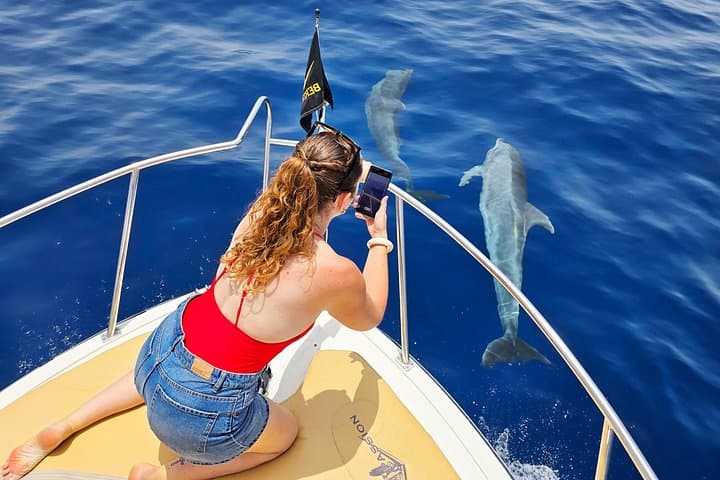
Head offshore from Playa San Juan to deep waters where pilot whales and dolphins frequent. This three-hour safari pairs guided cetacean viewing with a coastal snorkel at Agua Dulce cove and onboard briefings on volcanology and local marine science.
Head offshore from Playa San Juan to deep waters where pilot whales and dolphins frequent. This three-hour safari pairs guided cetacean viewing with a coastal snorkel at Agua Dulce cove and onboard briefings on volcanology and local marine science.
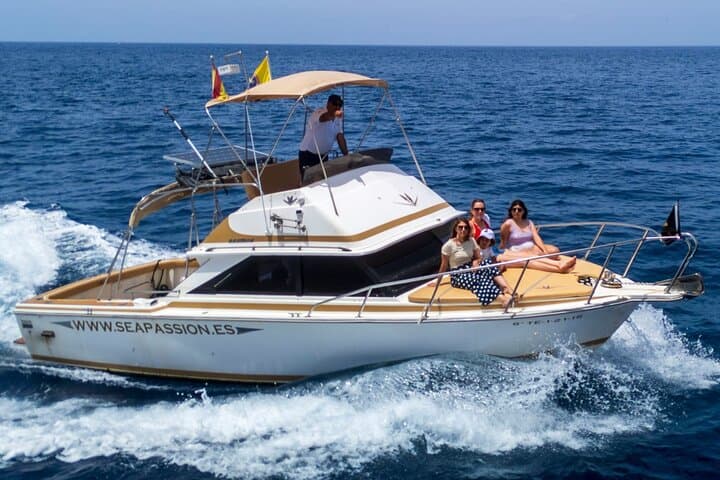
The boat eases away from Playa San Juan, the hull cutting through Atlantic blue while the captain scans the horizon. Sea spray hits the deck and, beyond the coastal rim, the ocean drops quickly—around 5 km south of La Gomera you’ll find depth that plunges to roughly 1,000 meters, where pilot whales and pods of dolphins hunt and play.
Verified experiences and guided adventures in the surrounding area.
Operated by SEA PASSION CHARTER FISHING · Playa San Juan, Tenerife
The boat eases away from Playa San Juan, the hull cutting through Atlantic blue while the captain scans the horizon. Sea spray hits the deck and, beyond the coastal rim, the ocean drops quickly—around 5 km south of La Gomera you’ll find depth that plunges to roughly 1,000 meters, where pilot whales and pods of dolphins hunt and play.
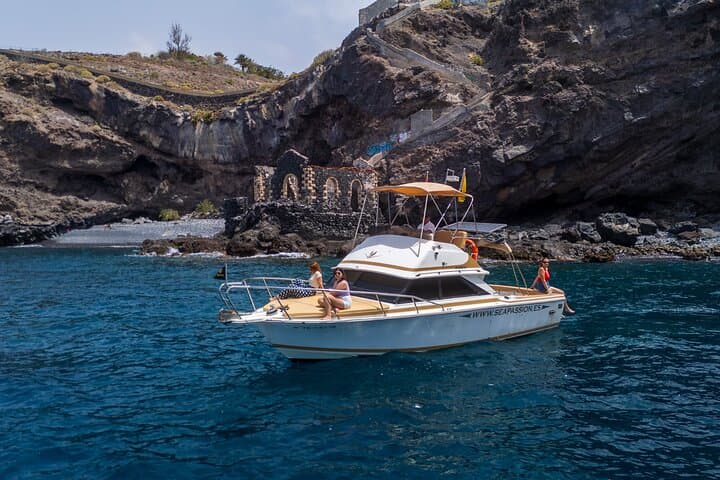
This stretch of the Canary Islands is volcanic: black basalt cliffs tell of eruptions that built the islands and shaped hidden marine canyons. Locally, fishing villages evolved around sheltered coves; today many communities balance tourism with long-standing maritime traditions. The whale sanctuary is a modern response—protected corridors and regulated tours grew after historical whale exploitation gave way to observation and study.
On this roughly three-hour safari you’ll cruise to likely cetacean sightings, then skirt the Isorana cliffs toward Agua Dulce cove for a snorkel in relatively calm, clear water. Expect lectures from the crew on volcanology, meteorology and cetacean behavior, and a simple lunch on board.
Practical edge: waves can rise quickly—pack a waterproof layer, reef-safe sunscreen and seasickness remedies if you’re prone to nausea. Bring your own mask if fit and fog-resistance matter; operators usually supply basic snorkel gear. Respect distance rules around mammals, keep voices low during sightings, and follow crew instructions for exits and entries at the cove. Plan for early-morning departures for calmer seas and the best light for photography.
easy.
3 hours.
Suitable for most fitness levels; snorkel participants should be comfortable in open water and able to swim short distances.
No—wildlife sightings are common in this sanctuary but not guaranteed; operators follow best practices to maximize encounters without disturbing animals.
Yes—Agua Dulce cove offers relatively sheltered water; beginners and older children can participate but must follow crew guidance and wear flotation if available.
Most tours include a guide, basic snorkel gear (sometimes), drinks and a light lunch; check the operator’s specifics before booking.
Tell crew immediately; sit midship where motion is least, look at the horizon, hydrate and use provided remedies if available.
Canary communities moved from subsistence fishing and historical whaling to regulated marine tourism; conservation measures expanded as scientific interest in cetaceans grew.
Operators should follow distance and approach regulations to minimize disturbance; visitors are encouraged to use reusable bottles and reef-safe products to reduce pollution.
SEA PASSION CHARTER FISHING operates guided outdoor trips and adventures with an emphasis on safety, stewardship, and memorable experiences.
The boat eases away from Playa San Juan, the hull cutting through Atlantic blue while the captain scans the horizon. Sea spray hits the deck and, beyond the coastal rim, the ocean drops quickly—around 5 km south of La Gomera you’ll find depth that plunges to roughly 1,000 meters, where pilot whales and pods of dolphins hunt and play.
The boat eases away from Playa San Juan, the hull cutting through Atlantic blue while the captain scans the horizon. Sea spray hits the deck and, beyond the coastal rim, the ocean drops quickly—around 5 km south of La Gomera you’ll find depth that plunges to roughly 1,000 meters, where pilot whales and pods of dolphins hunt and play.
This stretch of the Canary Islands is volcanic: black basalt cliffs tell of eruptions that built the islands and shaped hidden marine canyons. Locally, fishing villages evolved around sheltered coves; today many communities balance tourism with long-standing maritime traditions. The whale sanctuary is a modern response—protected corridors and regulated tours grew after historical whale exploitation gave way to observation and study.
On this roughly three-hour safari you’ll cruise to likely cetacean sightings, then skirt the Isorana cliffs toward Agua Dulce cove for a snorkel in relatively calm, clear water. Expect lectures from the crew on volcanology, meteorology and cetacean behavior, and a simple lunch on board.
Practical edge: waves can rise quickly—pack a waterproof layer, reef-safe sunscreen and seasickness remedies if you’re prone to nausea. Bring your own mask if fit and fog-resistance matter; operators usually supply basic snorkel gear. Respect distance rules around mammals, keep voices low during sightings, and follow crew instructions for exits and entries at the cove. Plan for early-morning departures for calmer seas and the best light for photography.