THE ADVENTURE COLLECTIVE® · Independent discovery and booking for outdoor travel

Soar above Tenerife’s volcanic coastline on a 30–45 minute tandem paragliding flight from Costa Adeje. Experience hotel pickup, a pilot-led briefing, and panoramic views of Teide and the Atlantic—weather permitting.
Soar above Tenerife’s volcanic coastline on a 30–45 minute tandem paragliding flight from Costa Adeje. Experience hotel pickup, a pilot-led briefing, and panoramic views of Teide and the Atlantic—weather permitting.
You climb into the van at dawn and the coast slips by—a ribbon of black volcanic cliffs meeting the Atlantic. The pilot checks lines, the wind lifts a gull, and moments later you’re jogging off a sun-warmed slope: the ground falls away and Tenerife opens beneath you. For 30–45 minutes the island rearranges itself—white resorts, steep ravines, and the distant cone of Teide—while the pilot reads thermals and keeps you weightless above it all.
Verified experiences and guided adventures in the surrounding area.
Operated by Let's Fly · Costa Adeje, Santa Cruz de Tenerife
You climb into the van at dawn and the coast slips by—a ribbon of black volcanic cliffs meeting the Atlantic. The pilot checks lines, the wind lifts a gull, and moments later you’re jogging off a sun-warmed slope: the ground falls away and Tenerife opens beneath you. For 30–45 minutes the island rearranges itself—white resorts, steep ravines, and the distant cone of Teide—while the pilot reads thermals and keeps you weightless above it all.
Paragliding on Tenerife sits at the intersection of volcanic geology and maritime weather. The island’s basalt cliffs and steep ravines, carved by ancient lava flows, produce consistent ridge lift; southerly lee conditions in the Costa Adeje area create predictable windows for tandem flights. Culturally, flying has become part of the island’s adventure scene—local pilots combine European flight techniques with decades of knowledge of Canarian wind patterns.
Expect a short ground briefing, fitted harness and helmet, then a gentle run-and-rise launch. The whole excursion is about two hours including transfers; the airtime is the highlight. Flights are weather dependent—strong winds or low clouds mean rescheduling for safety.
Practical tips: wear sturdy trainers and a windproof layer, secure loose items, and charge a small camera with a wrist strap. Morning flights offer calmer air and clearer views; late afternoon can produce dramatic light but stronger thermals. If you have back issues, are pregnant, or uncomfortable with brief running launches, discuss with your operator beforehand. Pilots carry liability insurance and follow strict safety checks, but the flight’s success still hinges on wind and weather. When conditions align, the island’s contours and ocean currents feel alive, pushing you forward with the same force that carved them.
easy.
2 hours (includes 30–45 minute flight).
Suitable for most fitness levels—able to take a few short running steps at takeoff and stand at landing.
Tandem airtime is typically 30–45 minutes depending on weather and lift; the full excursion including pickup and briefing is about 2 hours.
Most people can participate, but the activity is not recommended for pregnant travelers or those with severe back or neck problems—discuss medical concerns with the operator beforehand.
Flights are weather dependent; operators will cancel or reschedule if wind, rain, or low clouds compromise safety—check the cancellation window (usually 24 hours for a full refund).
Most packages include hotel pickup and return to a designated meeting point—confirm pickup point and any additional transfer details when booking.
Tenerife’s landscape is the product of volcanic eruptions over millions of years; human settlement in the south focused on coastal trade and agriculture before tourism reshaped the economy in the 20th century.
Respect local flight corridors and avoid littering landing zones; many operators work with local authorities to minimize disturbance to birdlife and fragile cliff vegetation.
Let's Fly operates guided outdoor trips and adventures with an emphasis on safety, stewardship, and memorable experiences.
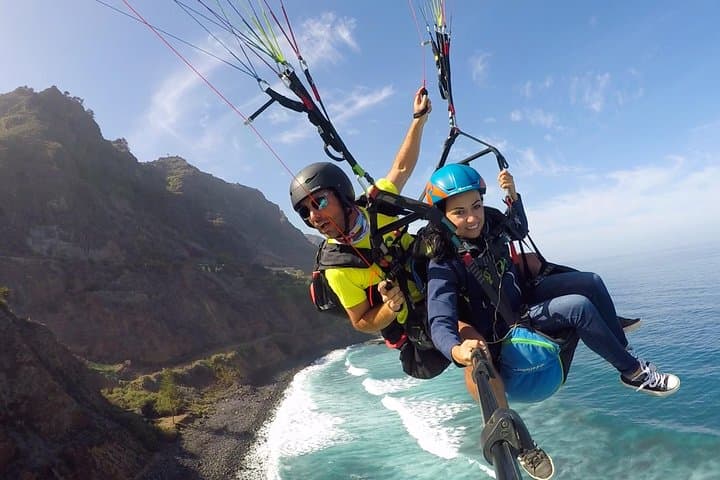
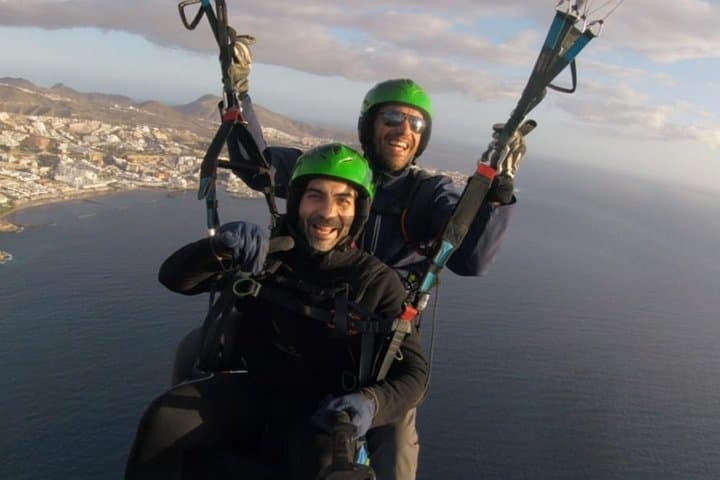
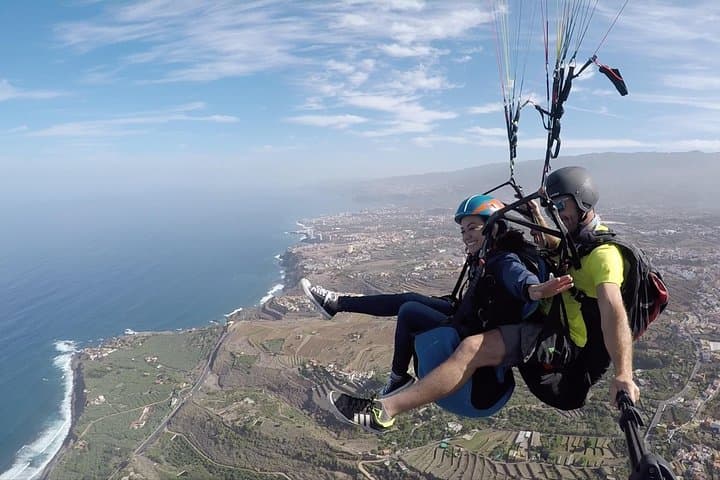
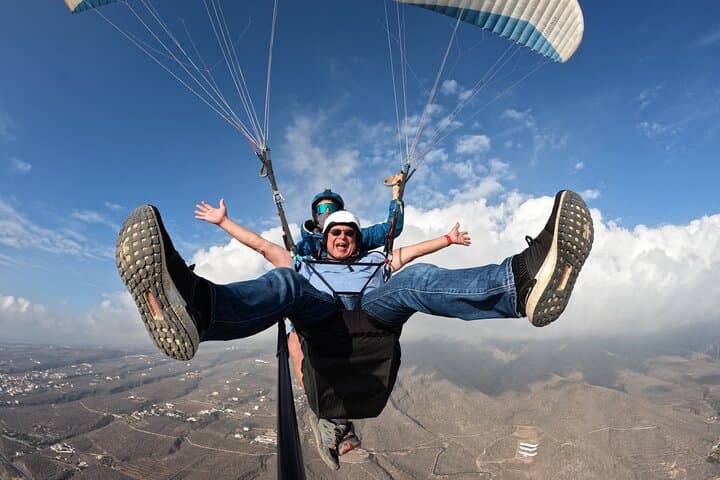
You climb into the van at dawn and the coast slips by—a ribbon of black volcanic cliffs meeting the Atlantic. The pilot checks lines, the wind lifts a gull, and moments later you’re jogging off a sun-warmed slope: the ground falls away and Tenerife opens beneath you. For 30–45 minutes the island rearranges itself—white resorts, steep ravines, and the distant cone of Teide—while the pilot reads thermals and keeps you weightless above it all.
You climb into the van at dawn and the coast slips by—a ribbon of black volcanic cliffs meeting the Atlantic. The pilot checks lines, the wind lifts a gull, and moments later you’re jogging off a sun-warmed slope: the ground falls away and Tenerife opens beneath you. For 30–45 minutes the island rearranges itself—white resorts, steep ravines, and the distant cone of Teide—while the pilot reads thermals and keeps you weightless above it all.
Paragliding on Tenerife sits at the intersection of volcanic geology and maritime weather. The island’s basalt cliffs and steep ravines, carved by ancient lava flows, produce consistent ridge lift; southerly lee conditions in the Costa Adeje area create predictable windows for tandem flights. Culturally, flying has become part of the island’s adventure scene—local pilots combine European flight techniques with decades of knowledge of Canarian wind patterns.
Expect a short ground briefing, fitted harness and helmet, then a gentle run-and-rise launch. The whole excursion is about two hours including transfers; the airtime is the highlight. Flights are weather dependent—strong winds or low clouds mean rescheduling for safety.
Practical tips: wear sturdy trainers and a windproof layer, secure loose items, and charge a small camera with a wrist strap. Morning flights offer calmer air and clearer views; late afternoon can produce dramatic light but stronger thermals. If you have back issues, are pregnant, or uncomfortable with brief running launches, discuss with your operator beforehand. Pilots carry liability insurance and follow strict safety checks, but the flight’s success still hinges on wind and weather. When conditions align, the island’s contours and ocean currents feel alive, pushing you forward with the same force that carved them.