THE ADVENTURE COLLECTIVE® · Independent discovery and booking for outdoor travel

Descend 30 meters beneath the surface of Tenerife without a wetsuit: an air-conditioned submarine carries passengers to volcanic reefs, shipwrecks, and schools of fish. This one-hour guided dive mixes accessible adventure with interpretive commentary and a personalized dive certificate.
Descend 30 meters beneath the surface of Tenerife without a wetsuit: an air-conditioned submarine carries passengers to volcanic reefs, shipwrecks, and schools of fish. This one-hour guided dive mixes accessible adventure with interpretive commentary and a personalized dive certificate.
A low rumble carries through the hull as the submarine slips beneath the marina sheen of Los Cristianos. Inside the air-conditioned cabin, thirty-two to forty-four seats face 60cm viewing ports; light from the surface narrows and Atlantic blue thickens until volcanic rock and sand become a foreign plain. Fish drift like curious citizens, rays glide as if reading currents, and the occasional outline of a wreck appears—silent proof of Tenerife’s maritime past.
Verified experiences and guided adventures in the surrounding area.
Operated by SUBMARINE SAFARIS TENERIFE · Los Cristianos, Santa Cruz de Tenerife
A low rumble carries through the hull as the submarine slips beneath the marina sheen of Los Cristianos. Inside the air-conditioned cabin, thirty-two to forty-four seats face 60cm viewing ports; light from the surface narrows and Atlantic blue thickens until volcanic rock and sand become a foreign plain. Fish drift like curious citizens, rays glide as if reading currents, and the occasional outline of a wreck appears—silent proof of Tenerife’s maritime past.
The south coast of Tenerife is carved from recent volcanic flows; cliffs and reefs here are young in geological terms and rich in pockets of biodiversity. The Canary Islands have long been a waypoint for Atlantic shipping and fishermen, and today marine protection efforts pair with tourism to balance access and preservation. Local guides narrate not only species ID but also the island’s relationship with the sea—how currents brought both wealth and wrecks.
Practically, the trip is low-impact and accessible: a 30m descent with guided commentary in up to 15 languages, a diver who may attract marine life to the ports, and a personalized dive certificate. Expect about an hour underwater plus pre-boarding time—arrive 30 minutes early. Motion sensitivity is the main concern; the cabin is stable but the experience can feel enclosed.
Bring a light jacket for the harbor breeze, use sunscreen before boarding, and listen to the crew’s safety briefing. This is an efficient way to meet Tenerife’s underwater world without wetsuits or certification—an intimate introduction to Atlantic life for those who prefer dry seats and wide eyes.
easy.
1–1.5 hours.
Suitable for most fitness levels; requires ability to board small gangway steps and sit for the duration.
The dive reaches approximately 30 meters (100 feet), allowing close views of reefs, fish, and occasionally wreckage.
Children are permitted but infants under 2 years are not allowed—check operator rules for seat and safety requirements.
Yes; no swimming ability is required. There is some boarding via a marina gangway and most passengers remain seated throughout the dive.
Yes—non-flash photos and videos are generally allowed through the ports; crew may advise on best angles during the dive.
Tenerife’s shores have been shaped by volcanic eruptions over millennia and centuries of Atlantic navigation; many coastal wrecks date from the 19th and early 20th centuries when shipping lanes grew around the islands.
Operators emphasise no-touch viewing and controlled feeding demonstrations to avoid disrupting local behavior; the Canary Islands have marine protected areas and ongoing monitoring of visitor impact.
SUBMARINE SAFARIS TENERIFE operates guided outdoor trips and adventures with an emphasis on safety, stewardship, and memorable experiences.
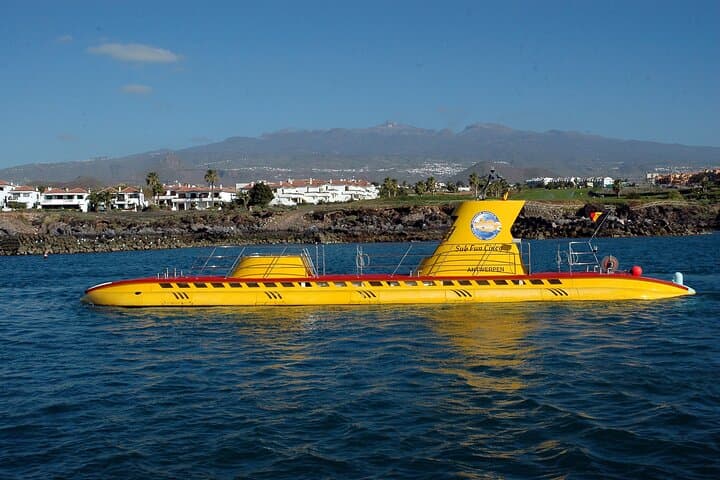
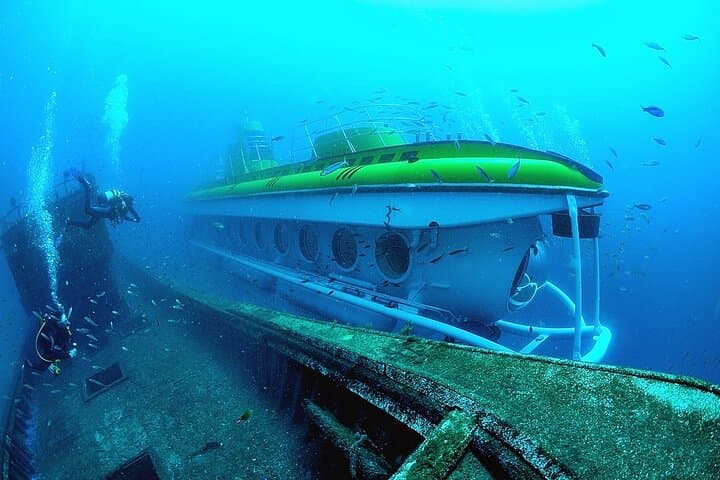
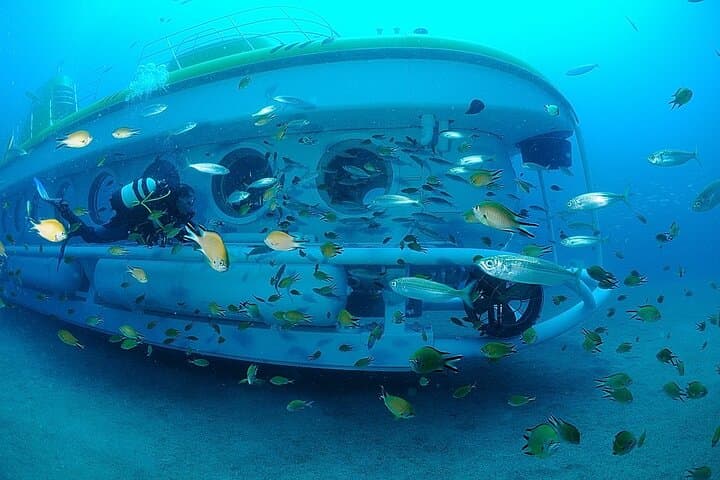
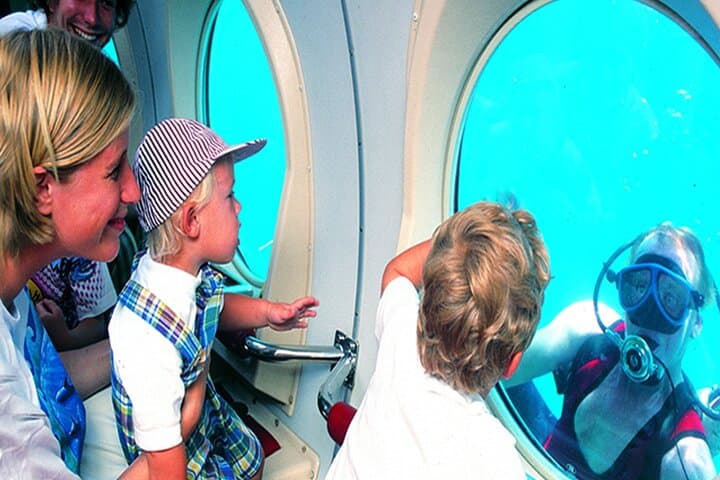
A low rumble carries through the hull as the submarine slips beneath the marina sheen of Los Cristianos. Inside the air-conditioned cabin, thirty-two to forty-four seats face 60cm viewing ports; light from the surface narrows and Atlantic blue thickens until volcanic rock and sand become a foreign plain. Fish drift like curious citizens, rays glide as if reading currents, and the occasional outline of a wreck appears—silent proof of Tenerife’s maritime past.
A low rumble carries through the hull as the submarine slips beneath the marina sheen of Los Cristianos. Inside the air-conditioned cabin, thirty-two to forty-four seats face 60cm viewing ports; light from the surface narrows and Atlantic blue thickens until volcanic rock and sand become a foreign plain. Fish drift like curious citizens, rays glide as if reading currents, and the occasional outline of a wreck appears—silent proof of Tenerife’s maritime past.
The south coast of Tenerife is carved from recent volcanic flows; cliffs and reefs here are young in geological terms and rich in pockets of biodiversity. The Canary Islands have long been a waypoint for Atlantic shipping and fishermen, and today marine protection efforts pair with tourism to balance access and preservation. Local guides narrate not only species ID but also the island’s relationship with the sea—how currents brought both wealth and wrecks.
Practically, the trip is low-impact and accessible: a 30m descent with guided commentary in up to 15 languages, a diver who may attract marine life to the ports, and a personalized dive certificate. Expect about an hour underwater plus pre-boarding time—arrive 30 minutes early. Motion sensitivity is the main concern; the cabin is stable but the experience can feel enclosed.
Bring a light jacket for the harbor breeze, use sunscreen before boarding, and listen to the crew’s safety briefing. This is an efficient way to meet Tenerife’s underwater world without wetsuits or certification—an intimate introduction to Atlantic life for those who prefer dry seats and wide eyes.