THE ADVENTURE COLLECTIVE® · Independent discovery and booking for outdoor travel

Learn to scuba in Tenerife where volcanic reefs, calm water and professional PADI instruction combine for courses from Open Water through Divemaster. Expect pool drills, shore and boat dives, and progressive depth training in conditions suitable year-round.
Learn to scuba in Tenerife where volcanic reefs, calm water and professional PADI instruction combine for courses from Open Water through Divemaster. Expect pool drills, shore and boat dives, and progressive depth training in conditions suitable year-round.
You stand on a black-sand shore as a mild Atlantic wind smooths the surface and the ocean calls in a low, steady voice. The water here tests your buoyancy and your curiosity; volcanic cliffs cut the skyline and the current teases easy drops and sheltered coves. From the first pool skills to deep-weekend shore dives, Tenerife’s reefs and lava formations set the classroom.
Verified experiences and guided adventures in the surrounding area.
Operated by Marcin Andrzej Glowacki · Costa Adeje, Santa Cruz de Tenerife
You stand on a black-sand shore as a mild Atlantic wind smooths the surface and the ocean calls in a low, steady voice. The water here tests your buoyancy and your curiosity; volcanic cliffs cut the skyline and the current teases easy drops and sheltered coves. From the first pool skills to deep-weekend shore dives, Tenerife’s reefs and lava formations set the classroom.
Geology here is volcanic: underwater lava flows, pinnacles and caves created by past eruptions make varied dive sites from shallow reefs to 30m walls. The island’s maritime culture mixes Canarian fishing traditions with modern dive tourism—local ports still launch fishing boats beside dive charters. PADI became the global standard here because the conditions suit staged training: mild temperatures, good visibility and a diversity of sites for skill progression.
Expect structured learning: confined-water sessions, theory briefings, and ocean dives that increase depth and complexity as you advance toward Divemaster. In-water skills practice focuses on buoyancy, equalization and navigation; instructors pair demonstrations with guided repetitions.
Practical guidance: hydrate and avoid alcohol the night before dives, bring a well-fitting mask and fins (personal fit matters), and schedule pool sessions early in the day when the sea is calmer. Medical clearance is required for certain conditions; minimum age is 10 for some courses. Timing your course outside high summer tourism can mean smaller groups and quieter sites. Tenerife gives a durable training ground—earn a PADI certification here and you’ll leave with techniques applicable anywhere in the world.
moderate.
2–7 days (course-dependent).
Moderate fitness—comfortable swimming ability and basic cardiovascular health for repeated surface swims and gear work
No—Open Water courses start with confined-water skills; some specialties require Open Water certification first.
Many schools include basic rental gear and provide study materials, but personal items like masks are recommended for fit and hygiene.
Some entry-level courses accept students from age 10; check the specific PADI course prerequisites for age limits and parental consent rules.
After completing Open Water (typically 2–3 days) you can dive to 18m with a buddy; Advanced Open Water extends depth to 30m after additional dives and training.
Tenerife’s marine landscape was shaped by centuries of volcanic activity; maritime trade and fishing have long sustained coastal towns that now host dive schools.
Many dive operators promote no-touch policies and buoyancy training to protect fragile algae and coral-like marine communities; support local reef cleanups where possible.
Marcin Andrzej Glowacki operates guided outdoor trips and adventures with an emphasis on safety, stewardship, and memorable experiences.
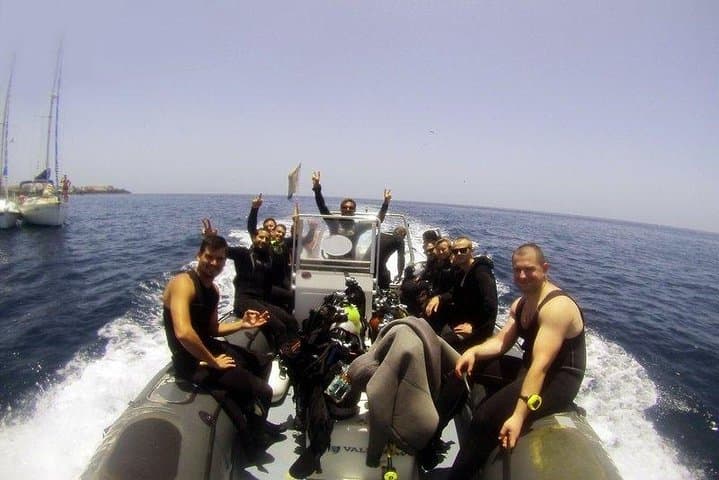
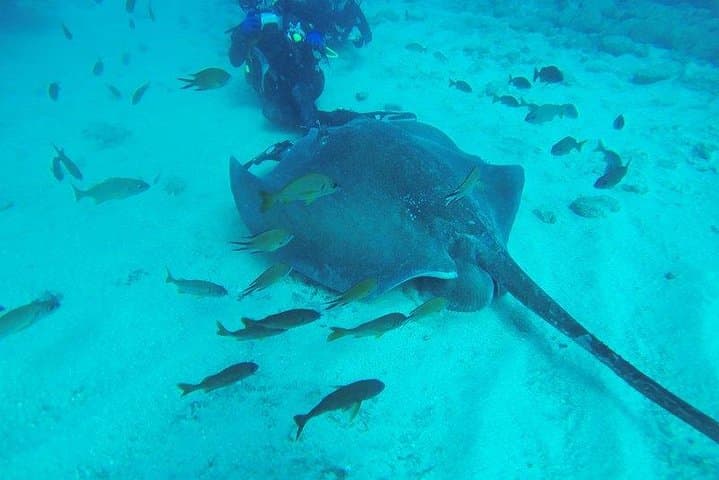
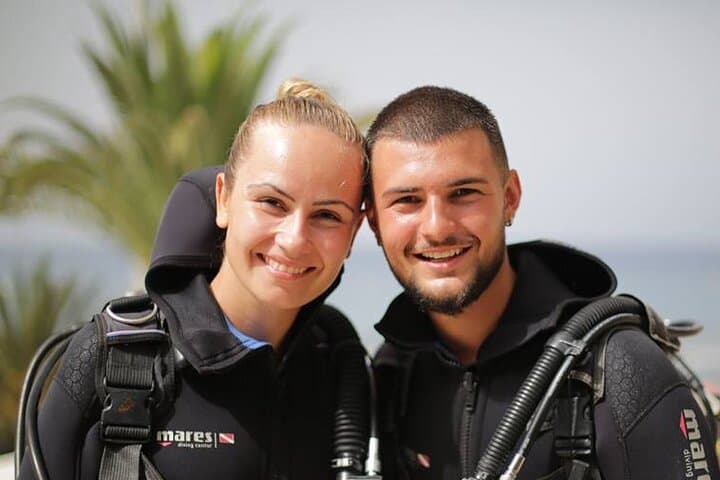
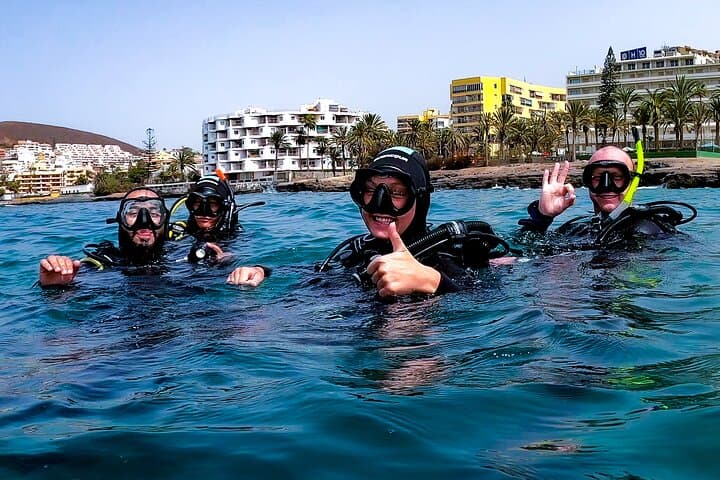
You stand on a black-sand shore as a mild Atlantic wind smooths the surface and the ocean calls in a low, steady voice. The water here tests your buoyancy and your curiosity; volcanic cliffs cut the skyline and the current teases easy drops and sheltered coves. From the first pool skills to deep-weekend shore dives, Tenerife’s reefs and lava formations set the classroom.
You stand on a black-sand shore as a mild Atlantic wind smooths the surface and the ocean calls in a low, steady voice. The water here tests your buoyancy and your curiosity; volcanic cliffs cut the skyline and the current teases easy drops and sheltered coves. From the first pool skills to deep-weekend shore dives, Tenerife’s reefs and lava formations set the classroom.
Geology here is volcanic: underwater lava flows, pinnacles and caves created by past eruptions make varied dive sites from shallow reefs to 30m walls. The island’s maritime culture mixes Canarian fishing traditions with modern dive tourism—local ports still launch fishing boats beside dive charters. PADI became the global standard here because the conditions suit staged training: mild temperatures, good visibility and a diversity of sites for skill progression.
Expect structured learning: confined-water sessions, theory briefings, and ocean dives that increase depth and complexity as you advance toward Divemaster. In-water skills practice focuses on buoyancy, equalization and navigation; instructors pair demonstrations with guided repetitions.
Practical guidance: hydrate and avoid alcohol the night before dives, bring a well-fitting mask and fins (personal fit matters), and schedule pool sessions early in the day when the sea is calmer. Medical clearance is required for certain conditions; minimum age is 10 for some courses. Timing your course outside high summer tourism can mean smaller groups and quieter sites. Tenerife gives a durable training ground—earn a PADI certification here and you’ll leave with techniques applicable anywhere in the world.