THE ADVENTURE COLLECTIVE® · Independent discovery and booking for outdoor travel

Take a guided night dive off Tenerife to see the reef’s nocturnal life: octopus, squid, lobsters and nudibranchs emerge under torchlight. This three-hour experience requires certification and a steady hand with your light.
Take a guided night dive off Tenerife to see the reef’s nocturnal life: octopus, squid, lobsters and nudibranchs emerge under torchlight. This three-hour experience requires certification and a steady hand with your light.
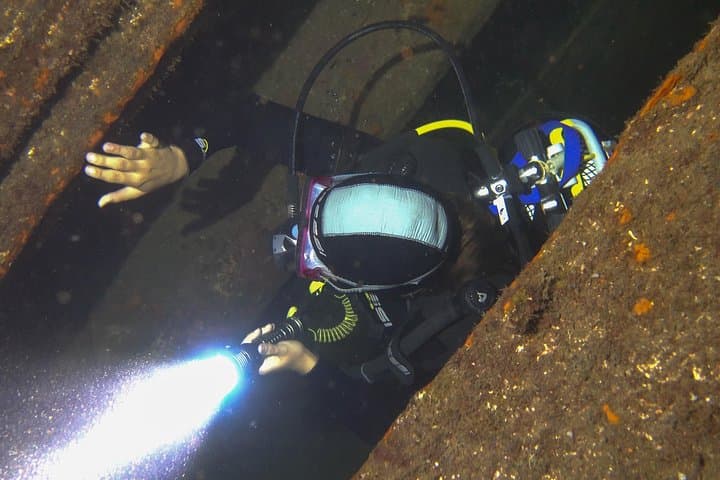
The beam of a diver’s torch slices through the black and a different ocean unfolds: small crustaceans pry themselves from crevices, octopus ghost across lava rock, and squid flash in sudden silver.
Verified experiences and guided adventures in the surrounding area.
Operated by Scubanana Dive Center · Los Cristianos, Santa Cruz de Tenerife
The beam of a diver’s torch slices through the black and a different ocean unfolds: small crustaceans pry themselves from crevices, octopus ghost across lava rock, and squid flash in sudden silver.
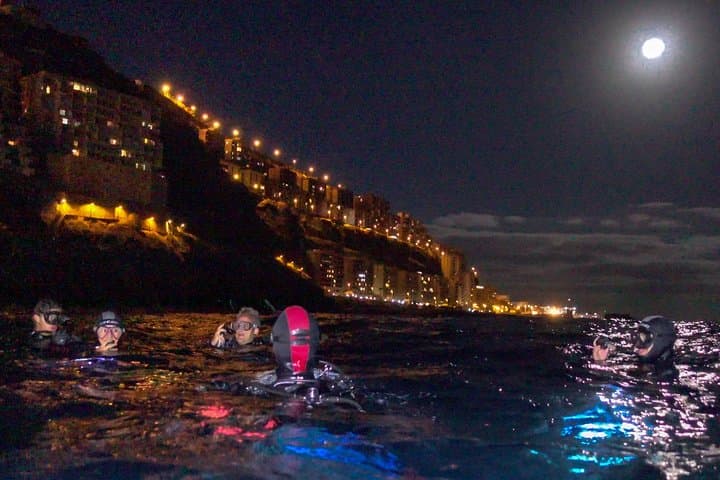
Off Tenerife’s southern coast the volcanic seafloor drops away in ledges and ridges, made of cooled basalt and peppered with caves that come alive after sunset. Tenerife’s maritime history is tied to these shores — centuries of fishermen and merchant sailors mapped the coastlines shaped by Mount Teide’s eruptions — and the island’s reefs now host a web of nocturnal life adapted to the Atlantic’s dim hours.
On a guided night dive you’ll move deliberately: slow kicks, controlled buoyancy, and steady light management. Instructors with local knowledge point out sensory shifts — how daytime fish shelter and how lobsters and nudibranchs emerge. Cultural notes matter too: dive centers on Tenerife balance tourism with marine reserve rules, so expect briefings on protected zones and no-touch practices.
Practical guidance: arrive with your open-water certification and logbook; the operator supplies gear but confirm torch and backup policies. Dress for changing surface conditions and plan transit to shore boats from Los Cristianos or nearby marinas. Visibility and currents vary by season; staggered entry times correlate with sunset. Hydrate, avoid alcohol before diving, and prioritize light discipline to protect nocturnal animals and maximize sightings.
A night dive here is less about speed and more about patience — watching the reef trade daytime bustle for intimate, curious encounters under a ribbon of light.
moderate.
3 hours.
Moderate fitness: able to handle surface swims, boat transfers, and controlled underwater swimming for up to an hour.
Yes. Operators require at minimum an Open Water certification and may ask to see recent dives in your logbook.
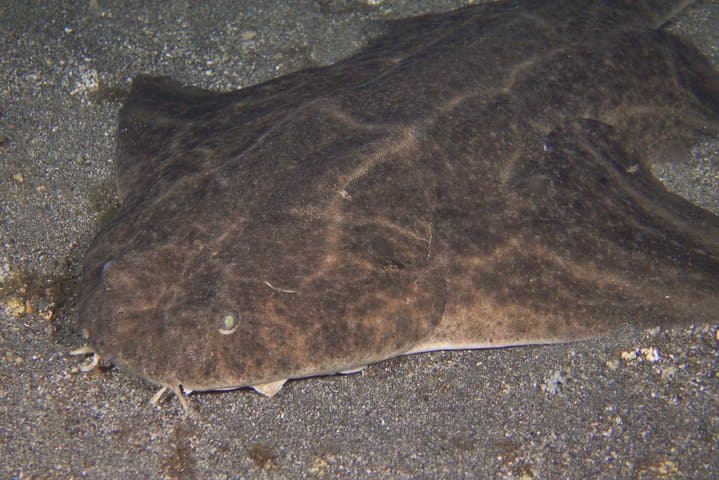
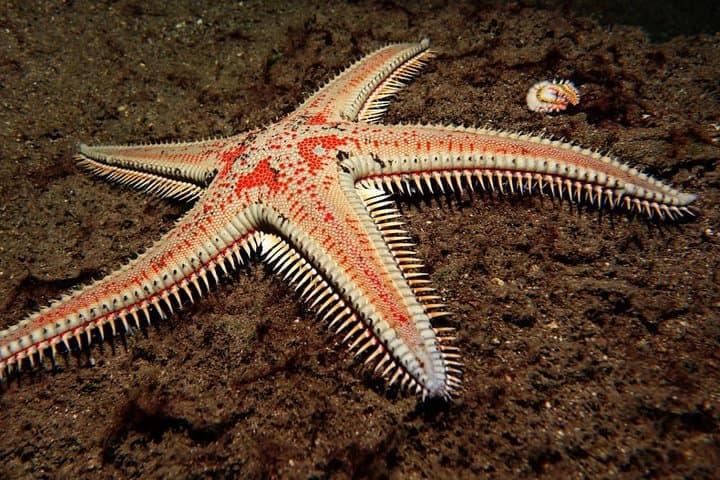
Expect octopus, squid, lobsters, nudibranchs, nocturnal crustaceans and active reef fish; bioluminescence can appear on disturbed sand.
Water temperatures range roughly 17–24°C across the year—bring a thicker wetsuit in winter and early spring for comfort.
Not recommended for pregnant travelers or those with uncontrolled cardiovascular or spinal issues; consult the operator and your doctor before booking.
Tenerife’s coastline reflects its volcanic origin; past eruptions from Mount Teide sculpted the basalt shelves and underwater topography divers explore today.
Local dive centers follow marine reserve guidelines—avoid touching animals, maintain neutral buoyancy, and comply with removal bans to protect reefs.
Scubanana Dive Center operates guided outdoor trips and adventures with an emphasis on safety, stewardship, and memorable experiences.
The beam of a diver’s torch slices through the black and a different ocean unfolds: small crustaceans pry themselves from crevices, octopus ghost across lava rock, and squid flash in sudden silver.
The beam of a diver’s torch slices through the black and a different ocean unfolds: small crustaceans pry themselves from crevices, octopus ghost across lava rock, and squid flash in sudden silver.
Off Tenerife’s southern coast the volcanic seafloor drops away in ledges and ridges, made of cooled basalt and peppered with caves that come alive after sunset. Tenerife’s maritime history is tied to these shores — centuries of fishermen and merchant sailors mapped the coastlines shaped by Mount Teide’s eruptions — and the island’s reefs now host a web of nocturnal life adapted to the Atlantic’s dim hours.
On a guided night dive you’ll move deliberately: slow kicks, controlled buoyancy, and steady light management. Instructors with local knowledge point out sensory shifts — how daytime fish shelter and how lobsters and nudibranchs emerge. Cultural notes matter too: dive centers on Tenerife balance tourism with marine reserve rules, so expect briefings on protected zones and no-touch practices.
Practical guidance: arrive with your open-water certification and logbook; the operator supplies gear but confirm torch and backup policies. Dress for changing surface conditions and plan transit to shore boats from Los Cristianos or nearby marinas. Visibility and currents vary by season; staggered entry times correlate with sunset. Hydrate, avoid alcohol before diving, and prioritize light discipline to protect nocturnal animals and maximize sightings.
A night dive here is less about speed and more about patience — watching the reef trade daytime bustle for intimate, curious encounters under a ribbon of light.