THE ADVENTURE COLLECTIVE® · Independent discovery and booking for outdoor travel

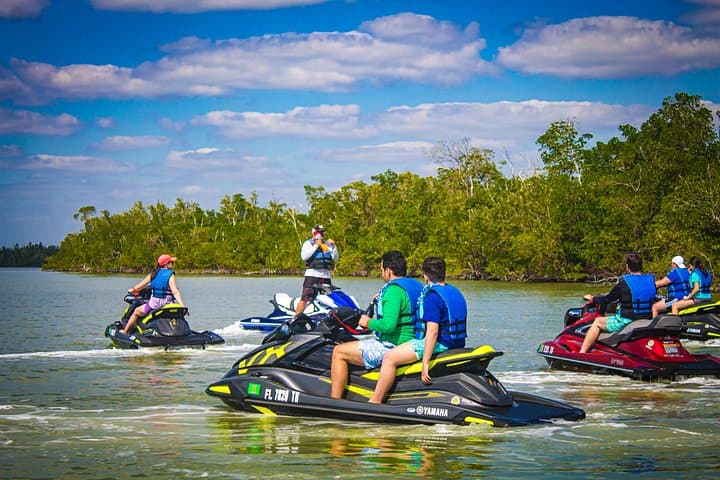
Cut through mangrove tunnels and skim crystal flats on a guided jet ski tour from Marco Island into the Ten Thousand Islands. Fast-paced and educational, this two-hour route pairs adrenaline with close-up wildlife viewing and a 30-minute safety briefing.
Cut through mangrove tunnels and skim crystal flats on a guided jet ski tour from Marco Island into the Ten Thousand Islands. Fast-paced and educational, this two-hour route pairs adrenaline with close-up wildlife viewing and a 30-minute safety briefing.
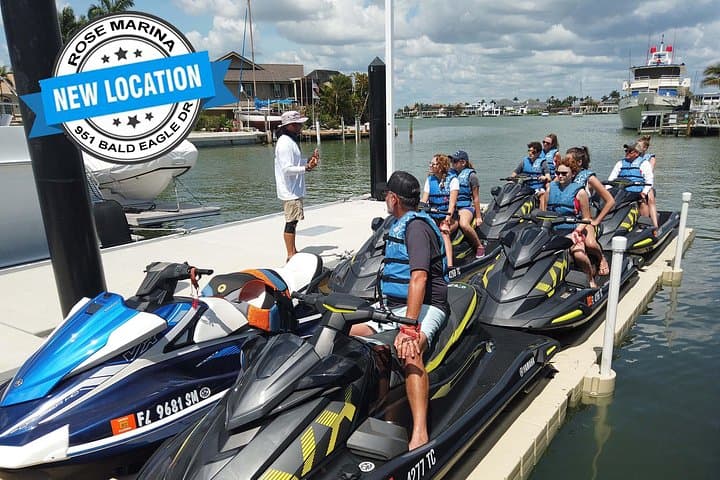
Wake up to the smell of salt and sun on the northern end of Marco Island — engines ticking, guides running through safety checks — before riders peel away from Rose Marina and head into the Ten Thousand Islands.
Verified experiences and guided adventures in the surrounding area.
Operated by Florida Adventures and Rentals · Marco Island, Florida
Wake up to the smell of salt and sun on the northern end of Marco Island — engines ticking, guides running through safety checks — before riders peel away from Rose Marina and head into the Ten Thousand Islands.
The archipelago is not an island chain of tens of thousands but a stitched network of mangrove islets, tidal creeks and shallow estuaries carved from carbonate bedrock and riverine sediments. The area was long used by the Calusa people; today its low, gnarly red mangroves and seagrass flats protect juvenile fish and feed wading birds. On a jet ski the water takes on personality: channels dare you in and wide flats push you forward with wind and current.
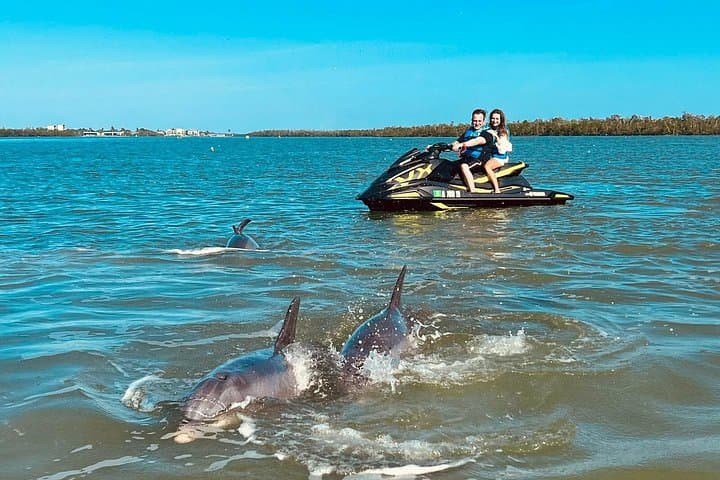
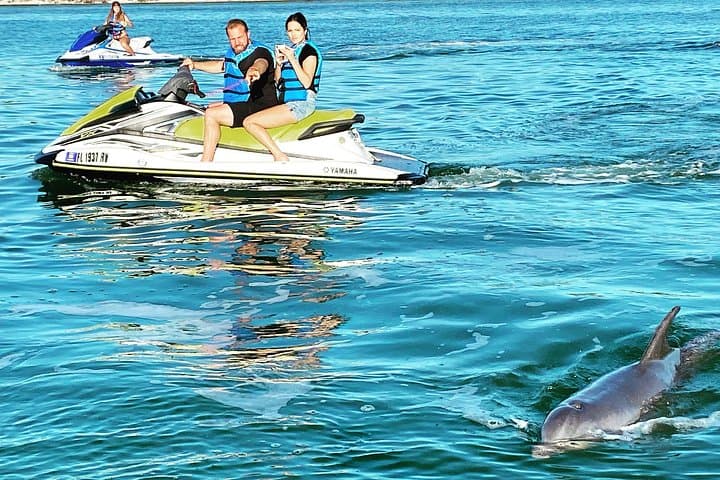
Expect a two-hour guided route that threads narrow mangrove passages and opens onto broad bays. Guides point out dolphins cutting the surface, spoonbills probing the shallows and the delicate root systems that trap sediment. The tour balances speed and ecology — high-adrenaline sections between quiet, observational stops.
Practicalities matter: arrive 30 minutes early at Rose Marina for waivers and a 30-minute safety briefing; a government photo ID is required for drivers and Florida boater-safety rules apply to many riders. Wear quick-dry layers, reef-safe sunscreen and shoes that stay on in the water. Be prepared to get wet.
This is a short, surface-level introduction to a fragile estuary — thrilling, educational and best enjoyed when riders respect speed zones, wildlife distances and the mangroves that hold the whole system together.
easy.
2 hours.
Light physical ability is sufficient — you should be comfortable mounting/dismounting a PWC and holding core balance for short rides.
Drivers must be at least 16; passengers can be as young as 4. Minors (16–17) need ID and a parent or guardian present to sign waivers.
Florida law requires a boater safety education ID card for operators born on or after January 1, 1988, unless accompanied by someone born before 1988; bring a printed or digital copy if required.
Tours can be canceled for unsafe conditions; the operator offers a full refund if canceled at least 24 hours before departure or due to poor weather.
Yes — use a waterproof case or mount; keep it secure during transit and follow guide instructions for stops to avoid dropping gear.
The Ten Thousand Islands area was home to the Calusa people and later became a fishing and shelling landscape; much of the current shoreline is shaped by tidal flows and shell-midden geology.
The estuary is ecologically sensitive: stay in marked channels, avoid prop scars and use reef-safe sunscreen to minimize impact on seagrass beds and mangroves.
Florida Adventures and Rentals operates guided outdoor trips and adventures with an emphasis on safety, stewardship, and memorable experiences.
Wake up to the smell of salt and sun on the northern end of Marco Island — engines ticking, guides running through safety checks — before riders peel away from Rose Marina and head into the Ten Thousand Islands.
Wake up to the smell of salt and sun on the northern end of Marco Island — engines ticking, guides running through safety checks — before riders peel away from Rose Marina and head into the Ten Thousand Islands.
The archipelago is not an island chain of tens of thousands but a stitched network of mangrove islets, tidal creeks and shallow estuaries carved from carbonate bedrock and riverine sediments. The area was long used by the Calusa people; today its low, gnarly red mangroves and seagrass flats protect juvenile fish and feed wading birds. On a jet ski the water takes on personality: channels dare you in and wide flats push you forward with wind and current.
Expect a two-hour guided route that threads narrow mangrove passages and opens onto broad bays. Guides point out dolphins cutting the surface, spoonbills probing the shallows and the delicate root systems that trap sediment. The tour balances speed and ecology — high-adrenaline sections between quiet, observational stops.
Practicalities matter: arrive 30 minutes early at Rose Marina for waivers and a 30-minute safety briefing; a government photo ID is required for drivers and Florida boater-safety rules apply to many riders. Wear quick-dry layers, reef-safe sunscreen and shoes that stay on in the water. Be prepared to get wet.
This is a short, surface-level introduction to a fragile estuary — thrilling, educational and best enjoyed when riders respect speed zones, wildlife distances and the mangroves that hold the whole system together.