THE ADVENTURE COLLECTIVE® · Independent discovery and booking for outdoor travel

A 19‑day loop from Chennai’s colonial harbor to Alleppey’s hushed backwaters and Munnar’s tea slopes, combining Chola temples, colonial ports, wildlife and houseboat nights. Expect long drives, early starts and vivid contrasts between temple stones and tropical waterways.
A 19‑day loop from Chennai’s colonial harbor to Alleppey’s hushed backwaters and Munnar’s tea slopes, combining Chola temples, colonial ports, wildlife and houseboat nights. Expect long drives, early starts and vivid contrasts between temple stones and tropical waterways.
The sun slides low over Alleppey as you climb the houseboat’s narrow steps and the palm-fringed canals pull you into slow motion. Boats whisper past rice paddies tucked below sea level; the water seems to lead the caravan of towns and temples toward the Western Ghats’ shadow.
Verified experiences and guided adventures in the surrounding area.
Operated by Agora Voyages Pvt. Ltd. · Chennai, Tamil Nadu
The sun slides low over Alleppey as you climb the houseboat’s narrow steps and the palm-fringed canals pull you into slow motion. Boats whisper past rice paddies tucked below sea level; the water seems to lead the caravan of towns and temples toward the Western Ghats’ shadow.
This 19‑day circuit threads two distinct geographies and histories. In Tamil Nadu the Pallavas and Cholas left massive stone proofs—Mahabalipuram’s 7th‑century shore temples and Thanjavur’s 11th‑century Brihadeshwara—with granite gopurams and sculpted mandapas. Geologically the region moves from coastal alluvium to ancient charnockite and gneiss (Rock Fort’s outcrop is roughly 3.8 billion years old), then climbs into Kerala’s eroded basalt and laterite hills where tea estates carpet the slopes at elevations up to 2,695 m in Rajamala.
Culture alternates between temple ritual, classical dance and spice‑trade legacy: madrasahs of craft in Chettinad mansions, British summer escapes in Munnar, and Periyar’s wildlife boat safaris where elephants and birdlife animate the shore.
Practical guidance: expect many long drives (legs of 100–325 km), early starts and stairs at temple complexes—Ranganathaswamy spans ~156 acres and Brihadeshwara rises ~66 m. Dress conservatively at temples (shoulders/knees covered), carry cash for small entrances and offerings, and plan mornings for photography and wildlife viewing. Hydration and sun protection are essential in coastal plains; bring comfortable walking shoes for uneven stone steps and a light rain layer during monsoon months. Modest pacing and respectful behavior at sacred sites will make this cultural-to-nature itinerary rewarding and manageable.
moderate.
19 days.
Suitable for travelers who can handle multiple long travel days, stairs at temples, short hikes in hill stations and boat transfers.
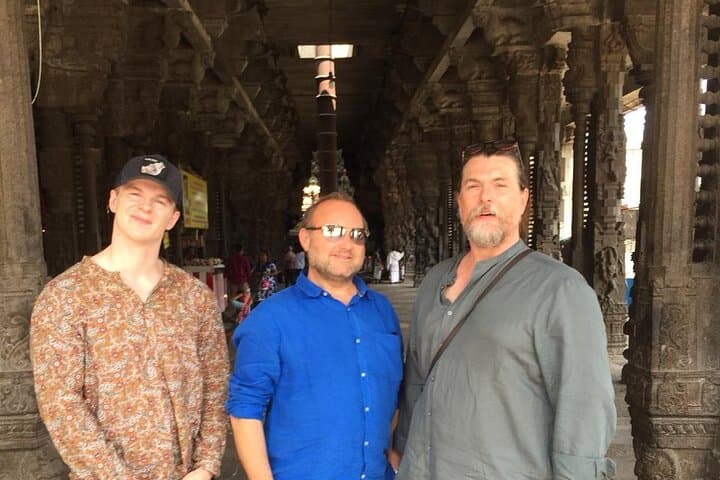
No—most temples require visitors to remove shoes before entering compounds; carry a small bag to store footwear and wear easily removable shoes.
Standard houseboats have a bedroom with attached toilet, sitting/dining area, a sun deck, onboard kitchen and electricity; amenities vary by grade so confirm inclusions before booking.
A local guide adds historical and architectural context and helps navigate dress and ritual rules, though self‑guided visits are common at many sites.
The tour lists as accessible and suitable for most fitness levels, but expect stairs, uneven surfaces and long transfers—notify operator of mobility needs to arrange assistance.
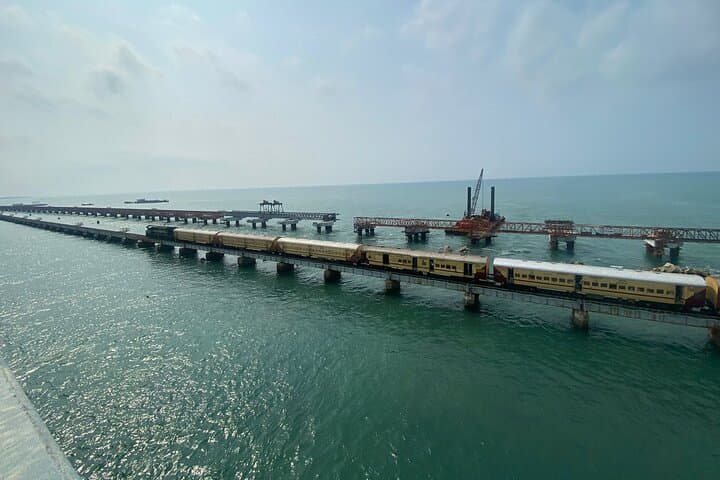
The route traces centuries: Pallava rock temples and Chola-era monumental shrines, layered with colonial-era trading ports and Chettinad mercantile mansions reflecting global trade wealth.
Backwater ecosystems and Periyar’s forest are sensitive to pollution and boat traffic—choose operators with waste management practices and respect wildlife viewing distances.
Agora Voyages Pvt. Ltd. operates guided outdoor trips and adventures with an emphasis on safety, stewardship, and memorable experiences.
The sun slides low over Alleppey as you climb the houseboat’s narrow steps and the palm-fringed canals pull you into slow motion. Boats whisper past rice paddies tucked below sea level; the water seems to lead the caravan of towns and temples toward the Western Ghats’ shadow.
The sun slides low over Alleppey as you climb the houseboat’s narrow steps and the palm-fringed canals pull you into slow motion. Boats whisper past rice paddies tucked below sea level; the water seems to lead the caravan of towns and temples toward the Western Ghats’ shadow.
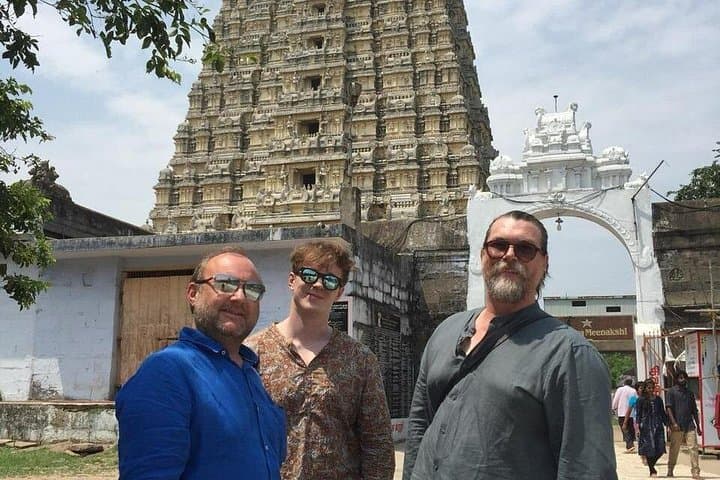
This 19‑day circuit threads two distinct geographies and histories. In Tamil Nadu the Pallavas and Cholas left massive stone proofs—Mahabalipuram’s 7th‑century shore temples and Thanjavur’s 11th‑century Brihadeshwara—with granite gopurams and sculpted mandapas. Geologically the region moves from coastal alluvium to ancient charnockite and gneiss (Rock Fort’s outcrop is roughly 3.8 billion years old), then climbs into Kerala’s eroded basalt and laterite hills where tea estates carpet the slopes at elevations up to 2,695 m in Rajamala.
Culture alternates between temple ritual, classical dance and spice‑trade legacy: madrasahs of craft in Chettinad mansions, British summer escapes in Munnar, and Periyar’s wildlife boat safaris where elephants and birdlife animate the shore.
Practical guidance: expect many long drives (legs of 100–325 km), early starts and stairs at temple complexes—Ranganathaswamy spans ~156 acres and Brihadeshwara rises ~66 m. Dress conservatively at temples (shoulders/knees covered), carry cash for small entrances and offerings, and plan mornings for photography and wildlife viewing. Hydration and sun protection are essential in coastal plains; bring comfortable walking shoes for uneven stone steps and a light rain layer during monsoon months. Modest pacing and respectful behavior at sacred sites will make this cultural-to-nature itinerary rewarding and manageable.