THE ADVENTURE COLLECTIVE® · Independent discovery and booking for outdoor travel

Grab combined tickets for two of Beijing’s most consequential historical sites and save entrance headaches. This practical guide prepares you for the Temple of Heaven’s acoustics and the Forbidden City’s courtyards—what to expect, what to bring, and how to time your visit.
Grab combined tickets for two of Beijing’s most consequential historical sites and save entrance headaches. This practical guide prepares you for the Temple of Heaven’s acoustics and the Forbidden City’s courtyards—what to expect, what to bring, and how to time your visit.
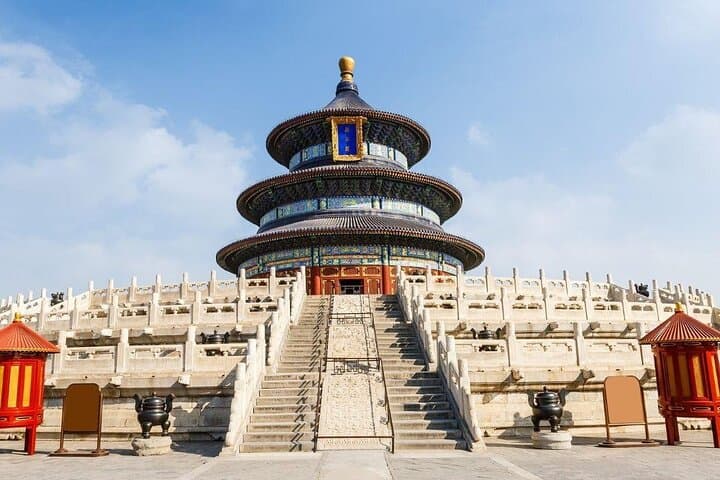
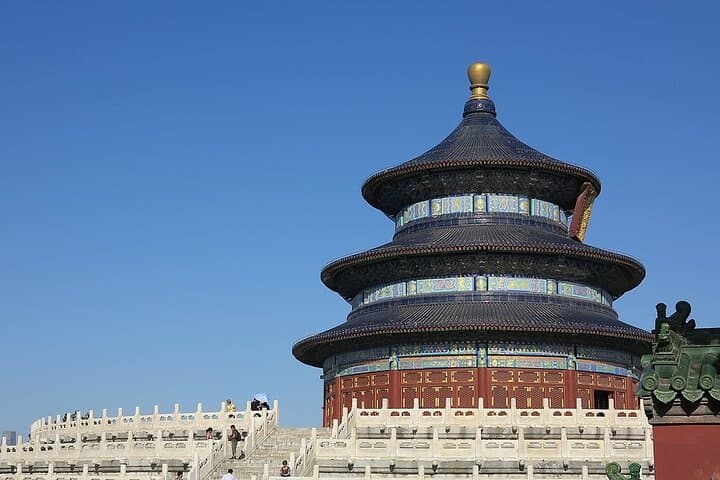
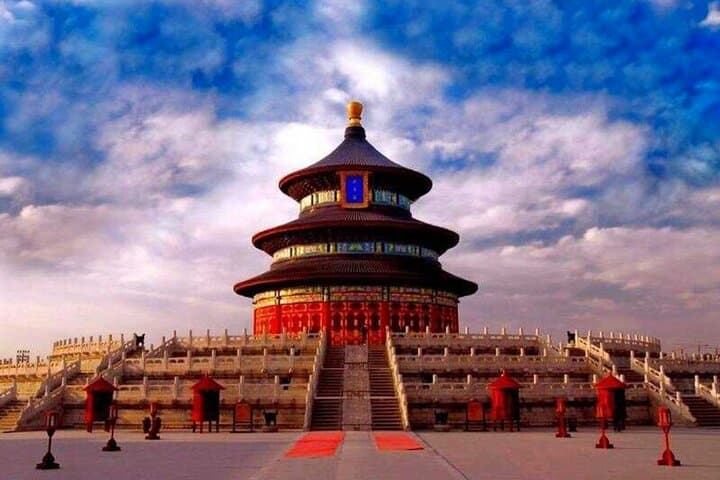
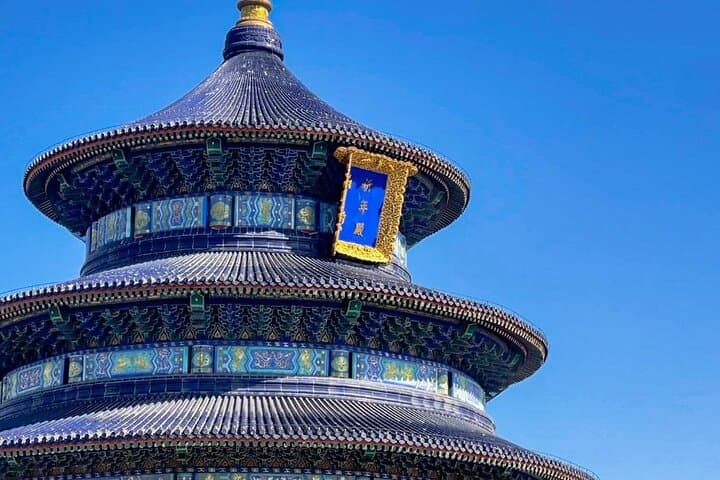
You step into a wide park where pines line broad stone paths and a circular marble altar rises like a stage to the sky. Early-morning mist slants through the colonnades of the Hall of Prayer for Good Harvests; blue glazed tiles catch the light and the Echo Wall dares you to whisper across its curve.
Verified experiences and guided adventures in the surrounding area.
Operated by 湖南新康辉国际旅行社有限责任公司定制分公司 · Beijing, Beijing
You step into a wide park where pines line broad stone paths and a circular marble altar rises like a stage to the sky. Early-morning mist slants through the colonnades of the Hall of Prayer for Good Harvests; blue glazed tiles catch the light and the Echo Wall dares you to whisper across its curve.
Built in 1420 during the Ming dynasty, the Temple of Heaven complex served emperors for centuries as a ritual site to pray for good harvests. The layout—semi-circular north and square south—reflects ancient cosmology that held heaven as round and earth as square. A few kilometers north, the Forbidden City holds palace halls and courtyards that concentrated imperial power for five dynasties.
Expect a mix of formal architecture and everyday urban life: elders practicing tai chi on the park lawns, school groups moving between gates, and vendors selling tea and snacks near the exits. The combined ticket for both sites saves time at the entrance; you’ll still clear security and show your passport on entry. Walking surfaces are mostly paved with stone; expect steps at altars and palace gates.
Plan 2–4 hours for the Temple of Heaven and 2–3 hours for a focused visit to the Forbidden City, more if you linger in museums. Go early to avoid crowds and heat, bring water and sun protection, and wear comfortable shoes for uneven steps. Respect ropes and signage—these are wooden and painted historic structures that need protection.
Practical: carry your original passport, download mobile tickets, and allow transit time between sites (roughly 3–4 km). With straightforward preparation, these two sites offer a concentrated lesson in Beijing’s imperial geography and ritual life.
easy.
2–4 hours (Temple) + 2–3 hours (Forbidden City).
Suitable for most fitness levels; requires standing and walking on paved and stepped surfaces.
Yes — original passport is required at entry; bring it for every traveler in your booking.
Yes — mobile or paper tickets are accepted, but you must present ID as required by site staff.
They sit roughly 3–4 km apart; allow transit time (taxi, subway, or a relaxed 40–60 minute walk depending on route).
Both sites offer accessibility options and paved routes, but some historic areas include steps and uneven stone; plan a bit more time if mobility assistance is needed.
The Temple of Heaven was constructed in 1420 under Emperor Yongle and used by Ming and Qing emperors for sacrificial rites to ensure good harvests.
Both sites are actively managed to protect painted woodwork and stone; follow barriers and photography rules to minimize wear and support preservation.
湖南新康辉国际旅行社有限责任公司定制分公司 operates guided outdoor trips and adventures with an emphasis on safety, stewardship, and memorable experiences.
You step into a wide park where pines line broad stone paths and a circular marble altar rises like a stage to the sky. Early-morning mist slants through the colonnades of the Hall of Prayer for Good Harvests; blue glazed tiles catch the light and the Echo Wall dares you to whisper across its curve.
You step into a wide park where pines line broad stone paths and a circular marble altar rises like a stage to the sky. Early-morning mist slants through the colonnades of the Hall of Prayer for Good Harvests; blue glazed tiles catch the light and the Echo Wall dares you to whisper across its curve.
Built in 1420 during the Ming dynasty, the Temple of Heaven complex served emperors for centuries as a ritual site to pray for good harvests. The layout—semi-circular north and square south—reflects ancient cosmology that held heaven as round and earth as square. A few kilometers north, the Forbidden City holds palace halls and courtyards that concentrated imperial power for five dynasties.
Expect a mix of formal architecture and everyday urban life: elders practicing tai chi on the park lawns, school groups moving between gates, and vendors selling tea and snacks near the exits. The combined ticket for both sites saves time at the entrance; you’ll still clear security and show your passport on entry. Walking surfaces are mostly paved with stone; expect steps at altars and palace gates.
Plan 2–4 hours for the Temple of Heaven and 2–3 hours for a focused visit to the Forbidden City, more if you linger in museums. Go early to avoid crowds and heat, bring water and sun protection, and wear comfortable shoes for uneven steps. Respect ropes and signage—these are wooden and painted historic structures that need protection.
Practical: carry your original passport, download mobile tickets, and allow transit time between sites (roughly 3–4 km). With straightforward preparation, these two sites offer a concentrated lesson in Beijing’s imperial geography and ritual life.