THE ADVENTURE COLLECTIVE® · Independent discovery and booking for outdoor travel

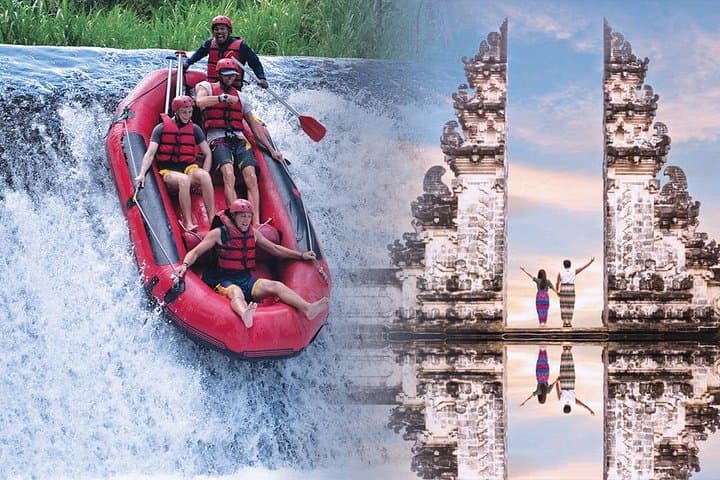
Charge down Telaga Waja’s rocky rapids, then continue to Lempuyang, Tirta Gangga, and Virgin Beach—an adrenaline-packed river run paired with East Bali’s cultural highlights. Expect a full-day outing with hotel pickup, safety gear, and scenic stops.
Charge down Telaga Waja’s rocky rapids, then continue to Lempuyang, Tirta Gangga, and Virgin Beach—an adrenaline-packed river run paired with East Bali’s cultural highlights. Expect a full-day outing with hotel pickup, safety gear, and scenic stops.
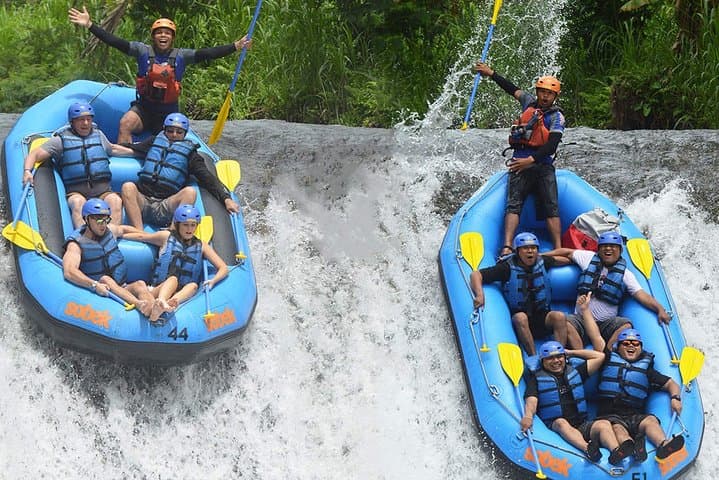
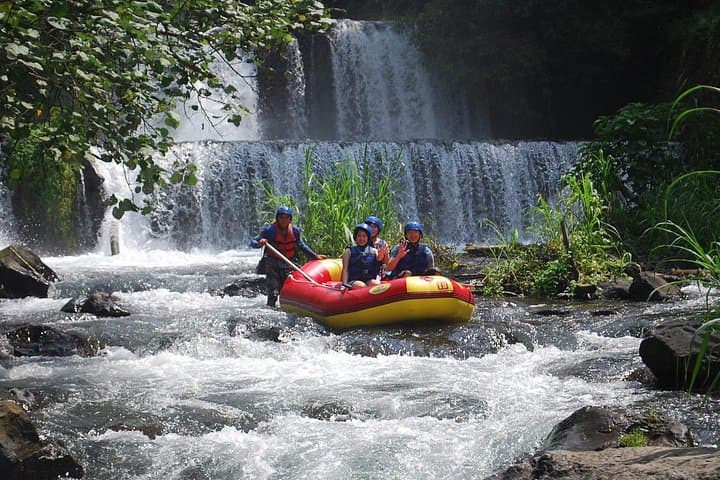
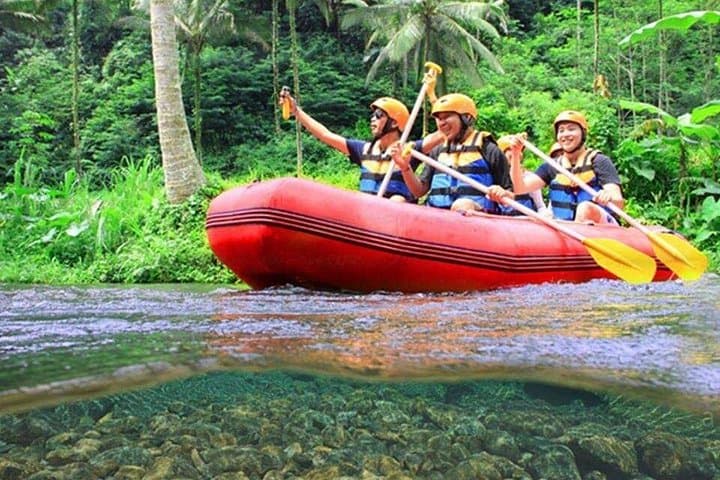
You step onto the riverbank as a warm, moist air rolls off the Telaga Waja, paddles clutched, helmet straps tight. The river runs bright and fast here—rock-strewn channels cut through black volcanic sediments and terraces of green rice that climb toward the shadow of Mount Agung. Your guide calls commands in a steady voice; water surges around the bow and the raft answers.
Verified experiences and guided adventures in the surrounding area.
Operated by East Bali Tour · Sidemen, Bali
You step onto the riverbank as a warm, moist air rolls off the Telaga Waja, paddles clutched, helmet straps tight. The river runs bright and fast here—rock-strewn channels cut through black volcanic sediments and terraces of green rice that climb toward the shadow of Mount Agung. Your guide calls commands in a steady voice; water surges around the bow and the raft answers.
Telaga Waja is a youthful river shaped by Bali’s volcanic geology and the island’s traditional irrigation systems. The east Bali route threads valleys that have been farmed for generations—you’ll pass rice terraces and small villages where Balinese Hindu shrines mark family plots. After the run, the afternoon unfolds with stops at Lempuyang Temple’s famous split gate, the ornamental pools of Tirta Gangga, and a quiet stretch of Virgin Beach—each showing different cultural layers from royal water gardens to living temple traditions.
Practically: plan for a full day (hotel pickup through return), basic fitness for 2–3 hours of paddling and scrambling, and a willingness to get wet. Operators provide helmets, lifejackets, and dry-stage changing facilities; bring water shoes, a spare set of clothes, and a waterproof camera if you want shots from the raft. Peak dry months make for stable river access, but seasonal rains raise the water and the grade of the rapids.
Expect a mix of adrenaline and cultural sightseeing—this is as much a river experience as a compact introduction to East Bali’s landscapes, temples, and village life.
moderate.
8–10 hours.
Moderate fitness—able to paddle for sustained periods, climb in/out of boats and walk short uneven trails.
Most operators recommend participants be in moderate fitness; children are often allowed but minimum ages vary—check with the operator for age limits.
Yes—safety-approved helmets, lifejackets, and paddles are provided by the rafting operator as part of the standard equipment.
Expect to get wet; small waterproof cameras or phones in sealed cases are fine—leave loose electronics in your vehicle or a dry bag.
Yes—private, air-conditioned pickup and return from many Bali hotels is typically included; confirm pickup window and surcharge areas when booking.
The route follows valleys shaped by volcanic flows and Bali’s subak irrigation traditions; Lempuyang is a key temple in Balinese Hindu pilgrimage routes.
Operators and local groups focus on minimizing plastic pollution and controlling riverbank erosion—choose providers who practice leave-no-trace and support local communities.
East Bali Tour operates guided outdoor trips and adventures with an emphasis on safety, stewardship, and memorable experiences.
You step onto the riverbank as a warm, moist air rolls off the Telaga Waja, paddles clutched, helmet straps tight. The river runs bright and fast here—rock-strewn channels cut through black volcanic sediments and terraces of green rice that climb toward the shadow of Mount Agung. Your guide calls commands in a steady voice; water surges around the bow and the raft answers.
You step onto the riverbank as a warm, moist air rolls off the Telaga Waja, paddles clutched, helmet straps tight. The river runs bright and fast here—rock-strewn channels cut through black volcanic sediments and terraces of green rice that climb toward the shadow of Mount Agung. Your guide calls commands in a steady voice; water surges around the bow and the raft answers.
Telaga Waja is a youthful river shaped by Bali’s volcanic geology and the island’s traditional irrigation systems. The east Bali route threads valleys that have been farmed for generations—you’ll pass rice terraces and small villages where Balinese Hindu shrines mark family plots. After the run, the afternoon unfolds with stops at Lempuyang Temple’s famous split gate, the ornamental pools of Tirta Gangga, and a quiet stretch of Virgin Beach—each showing different cultural layers from royal water gardens to living temple traditions.
Practically: plan for a full day (hotel pickup through return), basic fitness for 2–3 hours of paddling and scrambling, and a willingness to get wet. Operators provide helmets, lifejackets, and dry-stage changing facilities; bring water shoes, a spare set of clothes, and a waterproof camera if you want shots from the raft. Peak dry months make for stable river access, but seasonal rains raise the water and the grade of the rapids.
Expect a mix of adrenaline and cultural sightseeing—this is as much a river experience as a compact introduction to East Bali’s landscapes, temples, and village life.