THE ADVENTURE COLLECTIVE® · Independent discovery and booking for outdoor travel

A 16‑kilometer stretch of clear, fast water through volcanic gorges: Telaga Waja offers two hours of adrenaline on Bali’s eastern slopes. Learn what to expect, where to stay, and how to prepare for this challenging white-water run.
A 16‑kilometer stretch of clear, fast water through volcanic gorges: Telaga Waja offers two hours of adrenaline on Bali’s eastern slopes. Learn what to expect, where to stay, and how to prepare for this challenging white-water run.
You push off from a narrow beach and the river takes charge: clear, fast water tumbling between volcanic cliffs, the roar of rapids punctuated by the guide’s voice. Telaga Waja’s channel opens and narrows, giving way to steep, rock-lined drops and calmer pools that reflect Mount Agung’s shadow.
Verified experiences and guided adventures in the surrounding area.
Operated by Sewa Mobil Bali · Rendang, Bali
You push off from a narrow beach and the river takes charge: clear, fast water tumbling between volcanic cliffs, the roar of rapids punctuated by the guide’s voice. Telaga Waja’s channel opens and narrows, giving way to steep, rock-lined drops and calmer pools that reflect Mount Agung’s shadow.
Carved by lava flows and decades of monsoon rains, the Telaga Waja River slices through eastern Bali’s volcanic geology. The route runs roughly 16 kilometers of river, with about two hours of continuous rafting through Class II–III (occasionally IV) rapids depending on season and flow. Local villages in Karangasem have long relied on this watershed for irrigation; modern rafting developed here as operators adapted river access for adventure tourism in the 1990s.
Expect dense riverside vegetation, occasional kingfishers and monitor lizards, and glimpses of rice terraces and small temples on higher benches. Cultural touches—offering baskets on roadside shrines and roadside warungs—remind you you’re moving through lived landscape as much as wild one.
Practical guidance: tours usually include hotel pickup, safety briefing, international-standard equipment, a professional guide, lunch, and shower facilities. Wear closed-toe water shoes, a secure lifejacket, and quick-dry clothing. The river’s current is strong; this run suits fit, confident paddlers rather than complete beginners. Aim for the dry season (May–October) for more predictable conditions; wet-season flows are heavier and more technical. Follow your guide’s instructions, keep a low center of gravity in the raft, and leave valuables in your transfer vehicle or a watertight bag provided.
challenging.
4–8 hours (approx. 2 hours on river).
Good cardiovascular fitness and basic swimming ability recommended; expect repeated paddling and brief scrambling on riverbanks.
Expect roughly 16 km of river with about two hours of continuous rafting; the full tour commonly runs 4–8 hours including transfers, briefing, lunch, and changing time.
The river has strong currents and occasional steep drops; it’s best for people with reasonable fitness and some paddling confidence — beginners should check operator guidance and consider gentler rivers first.
Most packages include private hotel pickup, lunch, shower and changing facilities, and standard safety equipment; confirm pickup points and timing when you book.
Minimum age and restrictions vary by operator but many require participants to be at least 12 years old and not have serious heart, spinal, or pregnancy-related conditions.
The Telaga Waja watershed was shaped by repeated eruptions from Mount Agung and long-term irrigation practices by local communities; rafting emerged as an adventure activity in the late 20th century.
High river traffic can stress riverbanks and wildlife; choose operators that minimize litter, provide portable toilets or proper disposal, and support local communities to reduce environmental impact.
Sewa Mobil Bali operates guided outdoor trips and adventures with an emphasis on safety, stewardship, and memorable experiences.
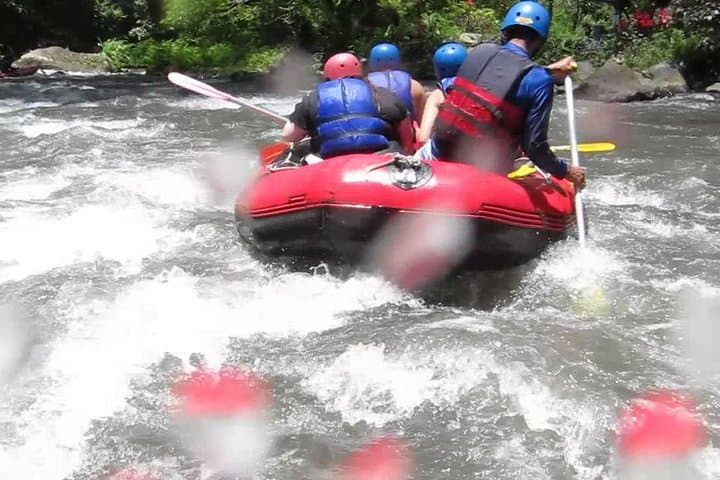
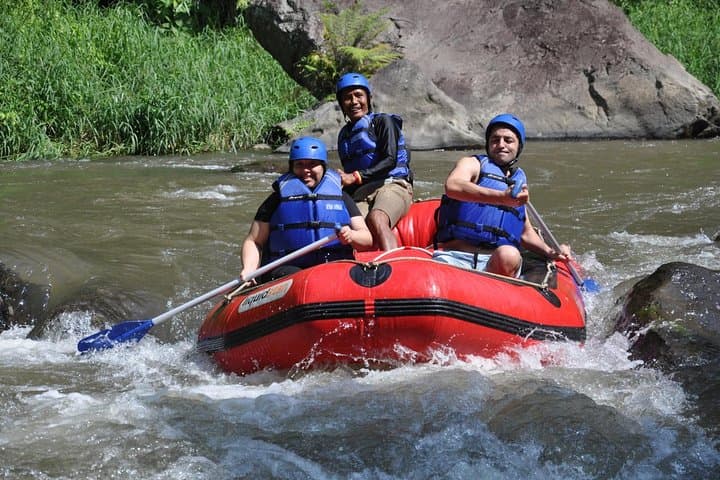
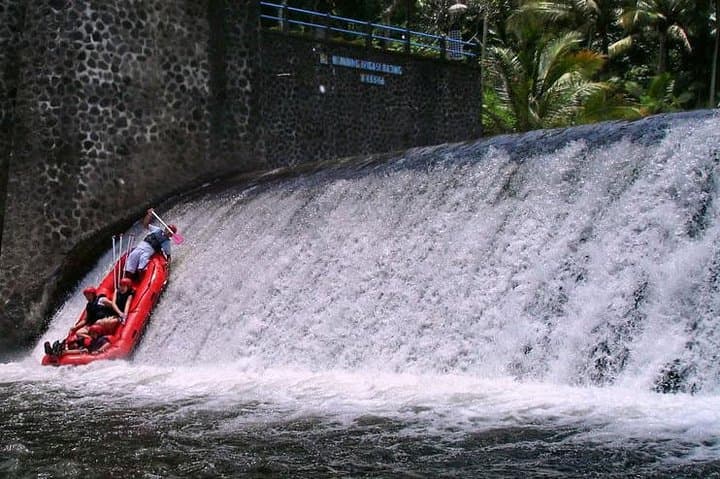
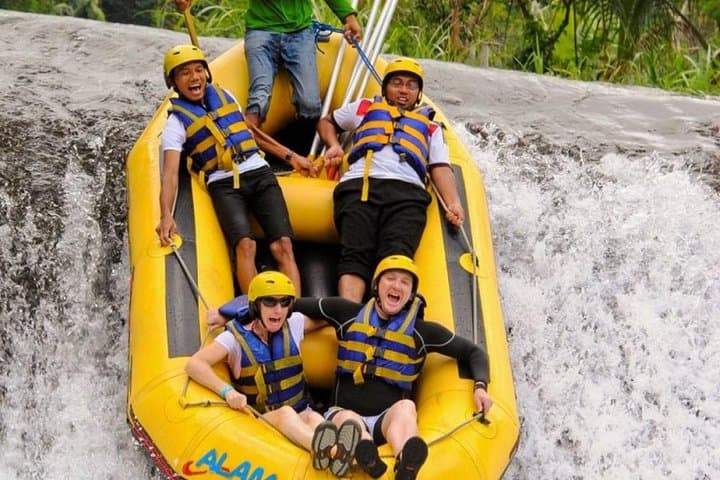
You push off from a narrow beach and the river takes charge: clear, fast water tumbling between volcanic cliffs, the roar of rapids punctuated by the guide’s voice. Telaga Waja’s channel opens and narrows, giving way to steep, rock-lined drops and calmer pools that reflect Mount Agung’s shadow.
You push off from a narrow beach and the river takes charge: clear, fast water tumbling between volcanic cliffs, the roar of rapids punctuated by the guide’s voice. Telaga Waja’s channel opens and narrows, giving way to steep, rock-lined drops and calmer pools that reflect Mount Agung’s shadow.
Carved by lava flows and decades of monsoon rains, the Telaga Waja River slices through eastern Bali’s volcanic geology. The route runs roughly 16 kilometers of river, with about two hours of continuous rafting through Class II–III (occasionally IV) rapids depending on season and flow. Local villages in Karangasem have long relied on this watershed for irrigation; modern rafting developed here as operators adapted river access for adventure tourism in the 1990s.
Expect dense riverside vegetation, occasional kingfishers and monitor lizards, and glimpses of rice terraces and small temples on higher benches. Cultural touches—offering baskets on roadside shrines and roadside warungs—remind you you’re moving through lived landscape as much as wild one.
Practical guidance: tours usually include hotel pickup, safety briefing, international-standard equipment, a professional guide, lunch, and shower facilities. Wear closed-toe water shoes, a secure lifejacket, and quick-dry clothing. The river’s current is strong; this run suits fit, confident paddlers rather than complete beginners. Aim for the dry season (May–October) for more predictable conditions; wet-season flows are heavier and more technical. Follow your guide’s instructions, keep a low center of gravity in the raft, and leave valuables in your transfer vehicle or a watertight bag provided.