THE ADVENTURE COLLECTIVE® · Independent discovery and booking for outdoor travel

Plunge through class III–IV rapids on the Telaga Waja, then trade adrenaline for aerial views on the Bali Swing. This full-day combo from Ubud pairs intense river paddling with photo-ready jungle platforms.
Plunge through class III–IV rapids on the Telaga Waja, then trade adrenaline for aerial views on the Bali Swing. This full-day combo from Ubud pairs intense river paddling with photo-ready jungle platforms.
You push off into a river that seems to have a will of its own: Telaga Waja’s current grabs the raft, throws up a wall of spray, and presses you forward toward limestone walls and jungle-shaded drops. Later, after a hot lunch and the damp memory of rapids, you swap the helmet for a camera and step onto a giant swing that sends you out over a forested valley — a quick, vertiginous counterpart to the river’s sustained rush.
Verified experiences and guided adventures in the surrounding area.
Operated by Asia Bali Tour · Ubud, Bali
You push off into a river that seems to have a will of its own: Telaga Waja’s current grabs the raft, throws up a wall of spray, and presses you forward toward limestone walls and jungle-shaded drops. Later, after a hot lunch and the damp memory of rapids, you swap the helmet for a camera and step onto a giant swing that sends you out over a forested valley — a quick, vertiginous counterpart to the river’s sustained rush.
Telaga Waja cuts from Bali’s eastern highlands toward the sea, carving through volcanic soils deposited by nearby peaks. Locally the river has supported irrigation, temple spring rites and, more recently, adventure tourism; rafting sections here are class III–IV, so they demand attention and teamwork. The Bali Swing experience grew from photo-driven tourism around Ubud and offers a set of engineered platforms — swings, sky beds and photographic nests — perched above jungle gullies and rice terraces.
Expect about 9–10 hours total: morning pickup, roughly five hours on the river with locker and shower facilities, a buffet-style Indonesian lunch, then a couple of hours at the swing site before return. Guides handle safety briefings and paddle commands; you should be comfortable following instructions and swimming if tipped into the river.
Plan for sturdy water shoes, a change of clothes, and sun protection. Schedule the trip on a dry morning where possible (May–September offers more stable flows), and budget time for travel from Ubud — much of the route crosses narrow village roads. Respect local customs at river temples and leave no waste: the river’s character depends on keeping it clean and accessible for communities downstream.
challenging.
9–10 hours.
Moderate to high: good cardiovascular fitness and core strength help you paddle, brace, and recover from exertion.
Expect about 9–10 hours including hotel pickup, roughly five hours on the river (including transit to put-in), lunch and time at the Bali Swing site before return.
No — guides provide instruction and steer; however, class III–IV rapids require a basic level of fitness and comfort in water, and swimming ability is recommended.
Most operators include basic photo packages, locker use, shower and towel facilities; verify what’s included when you book if you need extras.
Age limits vary by operator; many require children to be old enough to follow safety instructions and meet a minimum age/weight — check directly with the supplier before booking.
Telaga Waja runs from Bali’s eastern uplands and has long served irrigation and village rituals; the river’s physical and cultural role predates its modern use for adventure sports.
Operators are asked to minimize plastic and follow local waste rules; stay on marked trails, use provided facilities for changing and disposal, and support companies that contribute to river-cleaning efforts.
Asia Bali Tour operates guided outdoor trips and adventures with an emphasis on safety, stewardship, and memorable experiences.

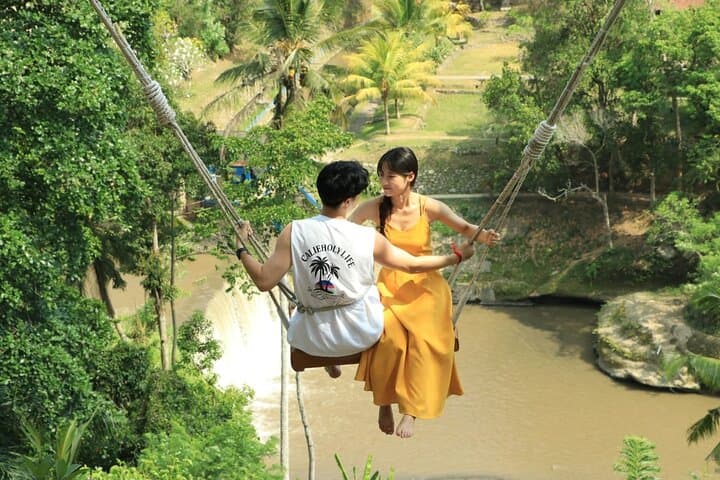


You push off into a river that seems to have a will of its own: Telaga Waja’s current grabs the raft, throws up a wall of spray, and presses you forward toward limestone walls and jungle-shaded drops. Later, after a hot lunch and the damp memory of rapids, you swap the helmet for a camera and step onto a giant swing that sends you out over a forested valley — a quick, vertiginous counterpart to the river’s sustained rush.
You push off into a river that seems to have a will of its own: Telaga Waja’s current grabs the raft, throws up a wall of spray, and presses you forward toward limestone walls and jungle-shaded drops. Later, after a hot lunch and the damp memory of rapids, you swap the helmet for a camera and step onto a giant swing that sends you out over a forested valley — a quick, vertiginous counterpart to the river’s sustained rush.
Telaga Waja cuts from Bali’s eastern highlands toward the sea, carving through volcanic soils deposited by nearby peaks. Locally the river has supported irrigation, temple spring rites and, more recently, adventure tourism; rafting sections here are class III–IV, so they demand attention and teamwork. The Bali Swing experience grew from photo-driven tourism around Ubud and offers a set of engineered platforms — swings, sky beds and photographic nests — perched above jungle gullies and rice terraces.
Expect about 9–10 hours total: morning pickup, roughly five hours on the river with locker and shower facilities, a buffet-style Indonesian lunch, then a couple of hours at the swing site before return. Guides handle safety briefings and paddle commands; you should be comfortable following instructions and swimming if tipped into the river.
Plan for sturdy water shoes, a change of clothes, and sun protection. Schedule the trip on a dry morning where possible (May–September offers more stable flows), and budget time for travel from Ubud — much of the route crosses narrow village roads. Respect local customs at river temples and leave no waste: the river’s character depends on keeping it clean and accessible for communities downstream.