THE ADVENTURE COLLECTIVE® · Independent discovery and booking for outdoor travel

A six-hour coastal run from Tel Aviv to Caesarea, the Baha'i Gardens, Rosh Hanikra’s sea grottos and Acre’s Citadel. Expect Roman ruins, a 70‑m cable car descent into white cliffs, and layered history in one accessible day trip.
A six-hour coastal run from Tel Aviv to Caesarea, the Baha'i Gardens, Rosh Hanikra’s sea grottos and Acre’s Citadel. Expect Roman ruins, a 70‑m cable car descent into white cliffs, and layered history in one accessible day trip.
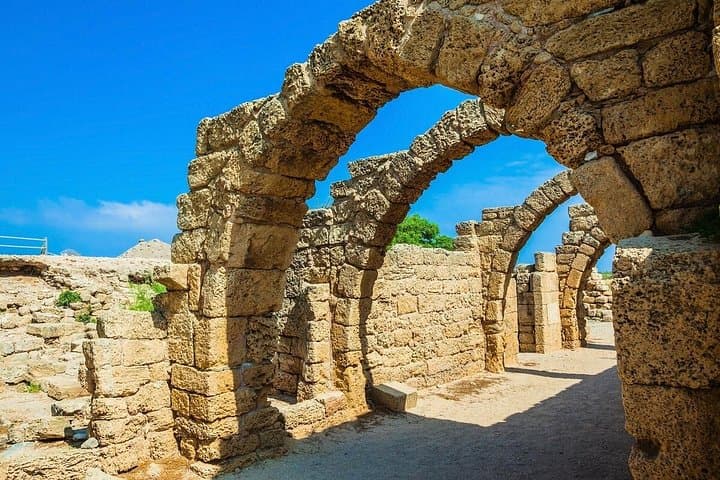
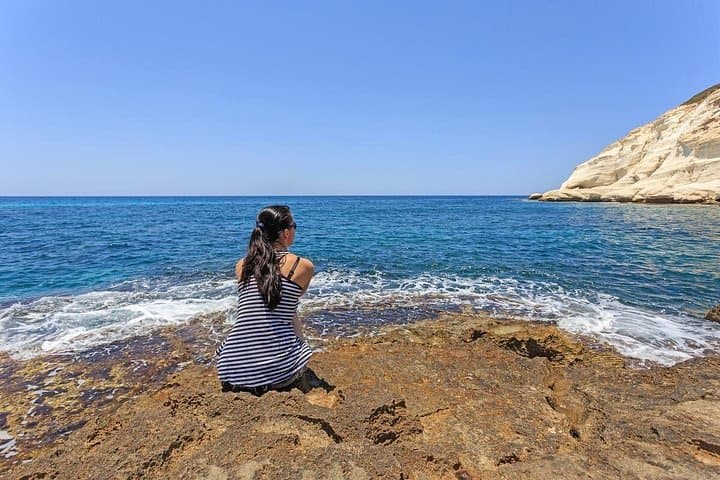
You step onto a limestone promontory where Roman columns still lean toward the Mediterranean, gulls wheel like punctuation marks, and the sea keeps time against rusted harbor walls.
Verified experiences and guided adventures in the surrounding area.
Operated by Opatrip.com Israel · Caesarea, Haifa District
You step onto a limestone promontory where Roman columns still lean toward the Mediterranean, gulls wheel like punctuation marks, and the sea keeps time against rusted harbor walls.
This full-day route threads three eras of Israel’s coast: Caesarea’s Roman port and amphitheater—stone and engineered aqueducts that map imperial logistics; the Baha'i terraces on Haifa’s slope, a modern religious landscape shaped in the 20th century; and Rosh Hanikra, where waves and chalky white cliffs have carved a network of sea grottos reached by a 70‑meter cable car descent. The day closes in Acre (Akko), a fortified port whose Crusader halls and Ottoman bazaars reveal layered commerce and conflict.
Geology here is literal: soft marine chalk at Rosh Hanikra yields dramatic grotto passages and loud, spray-driven weather; Caesarea sits on reclaimed Roman fill and engineered harbor works; Acre’s castle faces both sea and city, built to control approaches by water.
Expect mostly flat walking broken by steps and short climbs—paved paths in Caesarea and compact alleyways in Acre, with uneven rock and wet stone inside the grottos. Practical details: bring sun protection, 1–2 liters of water, sturdy shoes with grip, and a light layer for coastal winds.
Timing matters—start early for cooler light in the ruins and aim to reach Rosh Hanikra before late afternoon when sea spray builds. Respect signage at the Baha'i site and follow local guide directions in historical structures. This is a day of hard history and soft, persistent sea—bracing, accessible, and distinctly coastal.
easy.
6 hours.
Suitable for most fitness levels; requires walking on uneven surfaces and negotiating stairs.
Yes—entrance to Caesarea, Rosh Hanikra grottos, and Acre Citadel are included as listed in the tour inclusions.
The itinerary is rated easy and suitable for most ages, but participants should be able to walk short distances and handle stairs; inform the operator of mobility needs.
The cable car descends roughly 70 meters into the grotto viewing platform—operators run frequent trips; follow safety instructions on boarding.
The tour includes a visit to view the Baha'i Gardens; access rules vary, so follow the guide’s instructions and be prepared for modest dress and quiet conduct.
Caesarea was engineered by Herod the Great as a major Roman port; Acre’s layered fortifications reflect Crusader, Mamluk and Ottoman control over centuries.
Rosh Hanikra’s fragile chalk cliffs are monitored to limit erosion and visitor impact; follow marked paths and avoid touching fragile grotto surfaces.
Opatrip.com Israel operates guided outdoor trips and adventures with an emphasis on safety, stewardship, and memorable experiences.


You step onto a limestone promontory where Roman columns still lean toward the Mediterranean, gulls wheel like punctuation marks, and the sea keeps time against rusted harbor walls.
You step onto a limestone promontory where Roman columns still lean toward the Mediterranean, gulls wheel like punctuation marks, and the sea keeps time against rusted harbor walls.
This full-day route threads three eras of Israel’s coast: Caesarea’s Roman port and amphitheater—stone and engineered aqueducts that map imperial logistics; the Baha'i terraces on Haifa’s slope, a modern religious landscape shaped in the 20th century; and Rosh Hanikra, where waves and chalky white cliffs have carved a network of sea grottos reached by a 70‑meter cable car descent. The day closes in Acre (Akko), a fortified port whose Crusader halls and Ottoman bazaars reveal layered commerce and conflict.
Geology here is literal: soft marine chalk at Rosh Hanikra yields dramatic grotto passages and loud, spray-driven weather; Caesarea sits on reclaimed Roman fill and engineered harbor works; Acre’s castle faces both sea and city, built to control approaches by water.
Expect mostly flat walking broken by steps and short climbs—paved paths in Caesarea and compact alleyways in Acre, with uneven rock and wet stone inside the grottos. Practical details: bring sun protection, 1–2 liters of water, sturdy shoes with grip, and a light layer for coastal winds.
Timing matters—start early for cooler light in the ruins and aim to reach Rosh Hanikra before late afternoon when sea spray builds. Respect signage at the Baha'i site and follow local guide directions in historical structures. This is a day of hard history and soft, persistent sea—bracing, accessible, and distinctly coastal.