THE ADVENTURE COLLECTIVE® · Independent discovery and booking for outdoor travel

Float in near-boiling pools while guides point telescopes at the southern heavens—this 90-minute Tekapo tour pairs hot-pool relaxation with guided stargazing inside the Aoraki Mackenzie Dark Sky Reserve. Ideal for travelers who want both cultural context and a low-effort night under exceptional skies.
Float in near-boiling pools while guides point telescopes at the southern heavens—this 90-minute Tekapo tour pairs hot-pool relaxation with guided stargazing inside the Aoraki Mackenzie Dark Sky Reserve. Ideal for travelers who want both cultural context and a low-effort night under exceptional skies.
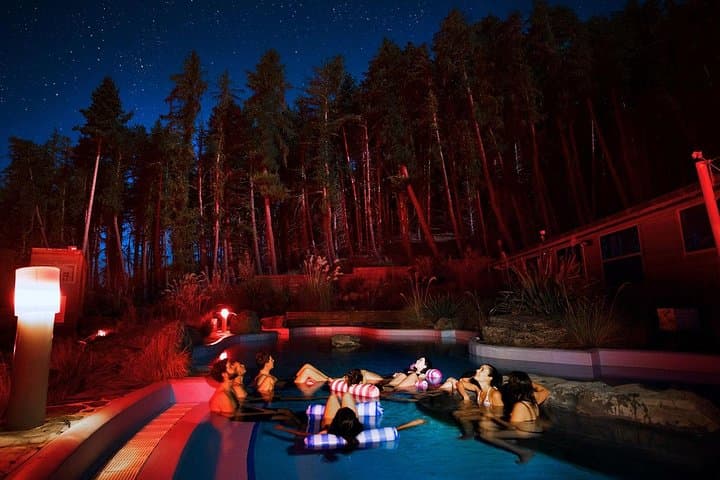
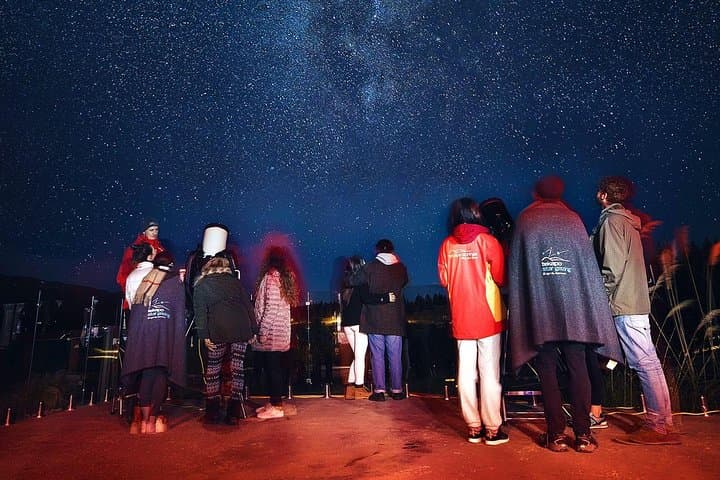
The night opens over a bowl of alpine water and sky—cold air pressing at your cheeks while a chart of stars spills from horizon to horizon. At Tekapo Springs, guides raise high-powered telescopes beside steaming 37.5–38.5°C pools; the first half of the 90-minute experience moves between hands-on astronomy, cultural storytelling and crisp views of the Aoraki/Mount Cook region’s jewel-like constellations.
Verified experiences and guided adventures in the surrounding area.
Operated by Tekapo Star Gazing · Lake Tekapo, Canterbury
The night opens over a bowl of alpine water and sky—cold air pressing at your cheeks while a chart of stars spills from horizon to horizon. At Tekapo Springs, guides raise high-powered telescopes beside steaming 37.5–38.5°C pools; the first half of the 90-minute experience moves between hands-on astronomy, cultural storytelling and crisp views of the Aoraki/Mount Cook region’s jewel-like constellations.
Geologically, the Aoraki Mackenzie International Dark Sky Reserve sits on glacially carved basins and granite ridges that keep light pollution low; Maori astronomical traditions and modern astrophysics are both part of the narrative. Visitors learn not only to pick out the Southern Cross and the Magellanic Clouds but also the mythic stories Maori people attach to those lights. Local guides blend cultural respect with practical telescope demonstrations and satellite imagery when cloud cover limits outdoor viewing.
Practical guidance is straightforward: arrive with swimwear under warm clothes, expect alpine night air and a relaxed pace—this is accessible to most travelers. The tour provides towels, robes, wool blankets and floating hammocks so the second half is a warm, horizontal gaze at the sky. Wheelchair access is available; minimum age is 10. Dress for sudden temperature drops and bring a camera with manual settings if you hope to photograph the Milky Way. Tours run year-round weather permitting; if skies are obscured an indoor presentation replaces the outdoor segment while the hot-pool portion proceeds regardless. For travelers seeking an easy, sensory-first way to experience one of the world’s best dark-sky preserves, this pairs scientific insight with the comfort of warm water under open stars.
easy.
1.5 hours.
Suitable for most fitness levels; minimal walking and no technical exertion required.
If skies are obscured the outdoor telescope session is replaced with an informative indoor presentation using high-definition imagery; the hot-pool session still proceeds.
Minimum age is 10; the content and pool environment are family-friendly but supervision is required for younger participants.
Yes—towels, robes and woolen blankets are supplied, along with inflatable hammocks for pool relaxation.
Yes—facilities and surfaces are wheelchair accessible, but guests should advise at booking for any required assistance.
The Aoraki Mackenzie region was recognized for its exceptionally dark skies in the 2010s and is co-managed with local iwi, reflecting both conservation and Maori cultural values tied to the stars.
Light pollution controls and community lighting standards protect night-sky quality; visitors are asked to avoid bright lights and use red torches to reduce impact.
Tekapo Star Gazing operates guided outdoor trips and adventures with an emphasis on safety, stewardship, and memorable experiences.


The night opens over a bowl of alpine water and sky—cold air pressing at your cheeks while a chart of stars spills from horizon to horizon. At Tekapo Springs, guides raise high-powered telescopes beside steaming 37.5–38.5°C pools; the first half of the 90-minute experience moves between hands-on astronomy, cultural storytelling and crisp views of the Aoraki/Mount Cook region’s jewel-like constellations.
The night opens over a bowl of alpine water and sky—cold air pressing at your cheeks while a chart of stars spills from horizon to horizon. At Tekapo Springs, guides raise high-powered telescopes beside steaming 37.5–38.5°C pools; the first half of the 90-minute experience moves between hands-on astronomy, cultural storytelling and crisp views of the Aoraki/Mount Cook region’s jewel-like constellations.
Geologically, the Aoraki Mackenzie International Dark Sky Reserve sits on glacially carved basins and granite ridges that keep light pollution low; Maori astronomical traditions and modern astrophysics are both part of the narrative. Visitors learn not only to pick out the Southern Cross and the Magellanic Clouds but also the mythic stories Maori people attach to those lights. Local guides blend cultural respect with practical telescope demonstrations and satellite imagery when cloud cover limits outdoor viewing.
Practical guidance is straightforward: arrive with swimwear under warm clothes, expect alpine night air and a relaxed pace—this is accessible to most travelers. The tour provides towels, robes, wool blankets and floating hammocks so the second half is a warm, horizontal gaze at the sky. Wheelchair access is available; minimum age is 10. Dress for sudden temperature drops and bring a camera with manual settings if you hope to photograph the Milky Way. Tours run year-round weather permitting; if skies are obscured an indoor presentation replaces the outdoor segment while the hot-pool portion proceeds regardless. For travelers seeking an easy, sensory-first way to experience one of the world’s best dark-sky preserves, this pairs scientific insight with the comfort of warm water under open stars.