THE ADVENTURE COLLECTIVE® · Independent discovery and booking for outdoor travel

Hike a sunset route through Teide National Park to a 2,000 m ridge and explore an ancient lava tube. This 5.5 km, moderate trek pairs dramatic volcanic scenery with solitude and strong island views.
Hike a sunset route through Teide National Park to a 2,000 m ridge and explore an ancient lava tube. This 5.5 km, moderate trek pairs dramatic volcanic scenery with solitude and strong island views.
You set off from a high parking viewpoint and the island pushes its colors at you: rust-red cinder cones, ochre pumice, and a horizon where ocean meets sky. As the sun leans west, shadows sharpen the volcanic ribs and the trail narrows into the silence of the high plateau. The walk climbs gently—5.5 km total—with a modest 200 m of ascent to a 2,000 m ridge that frames the island below.
Verified experiences and guided adventures in the surrounding area.
Operated by Sherpa · La Orotava, Tenerife
You set off from a high parking viewpoint and the island pushes its colors at you: rust-red cinder cones, ochre pumice, and a horizon where ocean meets sky. As the sun leans west, shadows sharpen the volcanic ribs and the trail narrows into the silence of the high plateau. The walk climbs gently—5.5 km total—with a modest 200 m of ascent to a 2,000 m ridge that frames the island below.
Teide National Park sits on millions of years of volcanic activity; the route passes between the sites of the park's last eruptions in 1798 and 1909. You’ll thread through lava fields and enter a cooled artery of past fire: a lava tube whose ceiling and flow-lines tell the story of molten rock that once ran like a river. Local Guanche history and Tenerife's modern conservation efforts give the landscape cultural depth—the mountain was and remains central to island identity.
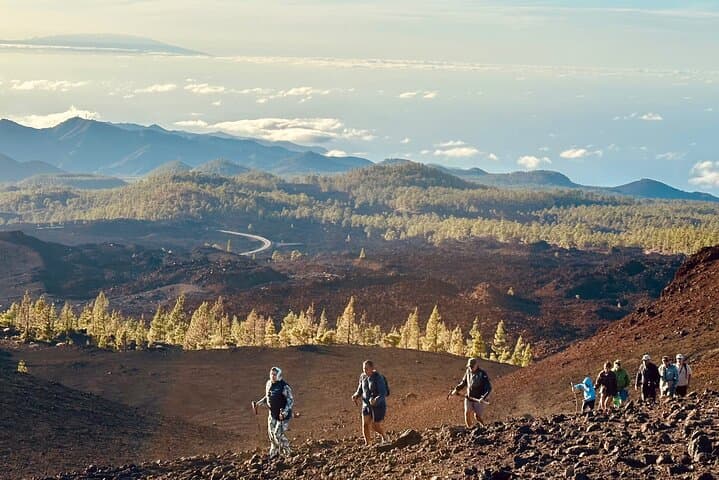
Expect compact volcanic scree, exposed ridgelines, and wide views that include distant islands and the green bands of laurel and pine lower on the slopes. The sunset leg intensifies wind and temperature change, so plan for gear and timing accordingly.
Practical guidance: start with warm layers, a reliable headlamp for the return, and 1–1.5 liters of water per person. Good ankle-support boots and trekking poles will make the volcanic terrain easier on knees. The route moves at a steady pace; visitors should be comfortable walking 3–5 hours at altitude and mindful of leaving no trace in this fragile, UNESCO-protected landscape.
moderate.
3–5 hours.
Moderate fitness; comfortable walking on uneven terrain and handling mild altitude.
Teide National Park has no general entry fee, but the cable car and certain guided sites may require tickets; this walk typically does not include cable car access.
The lava tube visit is usually on a stable path with low passages; headlamp and sure footing are important, but technical caving skills are not required.
A guide is recommended for safety, orientation, and interpretation—especially at sunset and inside lava tubes; this tour includes a guide service.
The highest point is around 2,000 m on this route; most people tolerate it well, but those with heart, respiratory, or serious mobility issues should consult a physician and the tour operator.
The park records eruptions in 1798 and 1909 and has been a UNESCO World Heritage site since 2007; the massif played an important role in Guanche cosmology.
Trails cross sensitive volcanic soils and endemic pine zones—stay on marked routes, pack out waste, and respect seasonal closures to protect fragile habitats.
Sherpa operates guided outdoor trips and adventures with an emphasis on safety, stewardship, and memorable experiences.
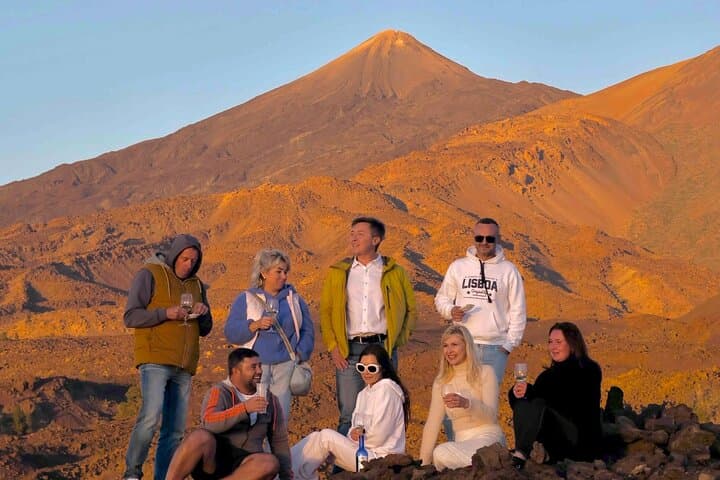
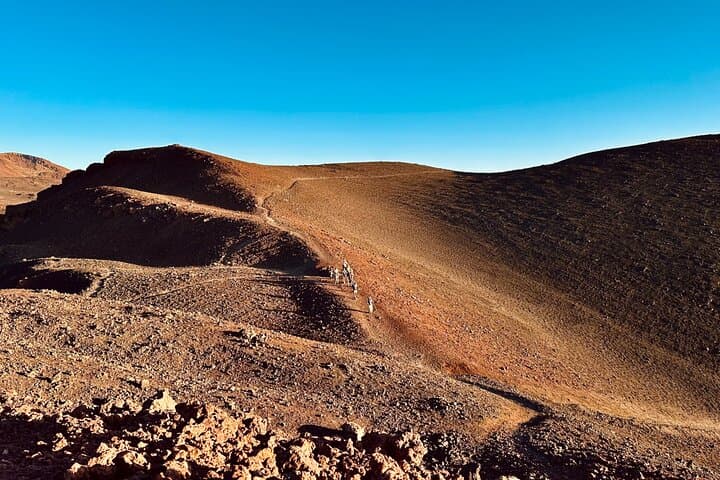
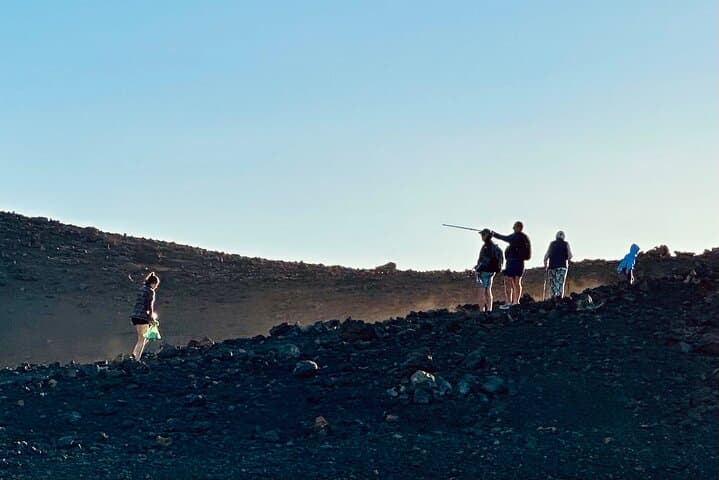
You set off from a high parking viewpoint and the island pushes its colors at you: rust-red cinder cones, ochre pumice, and a horizon where ocean meets sky. As the sun leans west, shadows sharpen the volcanic ribs and the trail narrows into the silence of the high plateau. The walk climbs gently—5.5 km total—with a modest 200 m of ascent to a 2,000 m ridge that frames the island below.
You set off from a high parking viewpoint and the island pushes its colors at you: rust-red cinder cones, ochre pumice, and a horizon where ocean meets sky. As the sun leans west, shadows sharpen the volcanic ribs and the trail narrows into the silence of the high plateau. The walk climbs gently—5.5 km total—with a modest 200 m of ascent to a 2,000 m ridge that frames the island below.
Teide National Park sits on millions of years of volcanic activity; the route passes between the sites of the park's last eruptions in 1798 and 1909. You’ll thread through lava fields and enter a cooled artery of past fire: a lava tube whose ceiling and flow-lines tell the story of molten rock that once ran like a river. Local Guanche history and Tenerife's modern conservation efforts give the landscape cultural depth—the mountain was and remains central to island identity.
Expect compact volcanic scree, exposed ridgelines, and wide views that include distant islands and the green bands of laurel and pine lower on the slopes. The sunset leg intensifies wind and temperature change, so plan for gear and timing accordingly.
Practical guidance: start with warm layers, a reliable headlamp for the return, and 1–1.5 liters of water per person. Good ankle-support boots and trekking poles will make the volcanic terrain easier on knees. The route moves at a steady pace; visitors should be comfortable walking 3–5 hours at altitude and mindful of leaving no trace in this fragile, UNESCO-protected landscape.