THE ADVENTURE COLLECTIVE® · Independent discovery and booking for outdoor travel

Watch the sun fall below a cloud sea from a high Teide viewpoint, then trade twilight for telescopes during a guided stargazing session. This small-group sunset picnic pairs volcanic geology with some of Europe’s darkest skies.
Watch the sun fall below a cloud sea from a high Teide viewpoint, then trade twilight for telescopes during a guided stargazing session. This small-group sunset picnic pairs volcanic geology with some of Europe’s darkest skies.
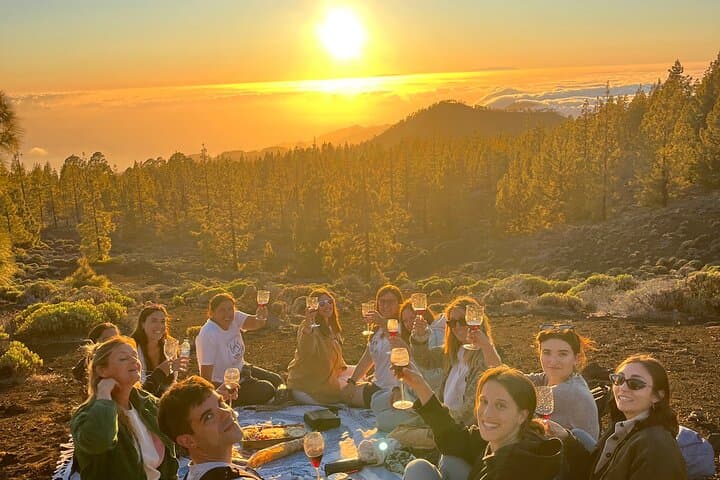
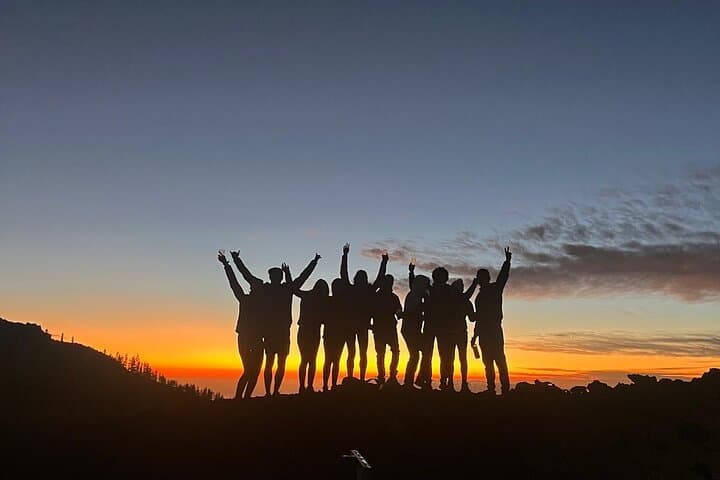
The air thins as the van climbs out of the coastal lights and the terrain turns from sugarcane and palms to black lava fields and scrub. By late afternoon the group breaks at a high viewpoint: volcanic ridges cut into silhouette, a sea of clouds lying low toward the coast, and the summit of Teide catching the last gold.
Verified experiences and guided adventures in the surrounding area.
Operated by Artista Tours Experiences · Vilaflor, Santa Cruz de Tenerife
The air thins as the van climbs out of the coastal lights and the terrain turns from sugarcane and palms to black lava fields and scrub. By late afternoon the group breaks at a high viewpoint: volcanic ridges cut into silhouette, a sea of clouds lying low toward the coast, and the summit of Teide catching the last gold.
Teide National Park, formed by successive eruptions over hundreds of thousands of years, is UNESCO-listed for its geology and striking volcanic landforms. The guides point out lava channels and pahoehoe flows while explaining how Tenerife’s peak—Spain’s highest mountain—has shaped local culture, from shepherding routes to observatory science.
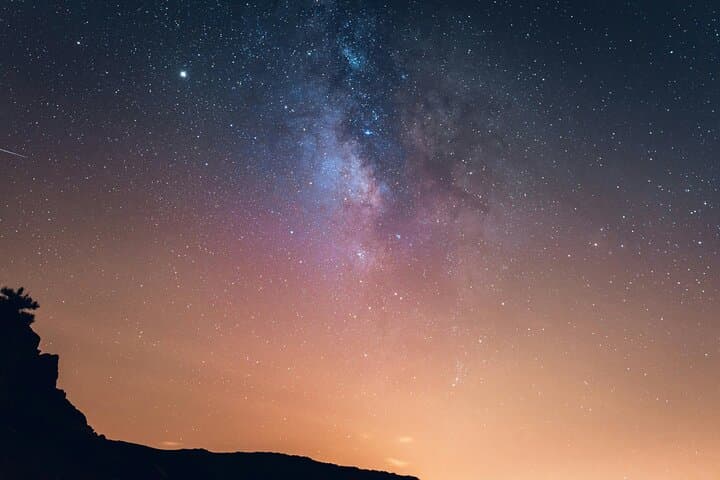
As the sun disappears behind a cloud deck, the picnic unfolds: local cheeses, cured meats, and robust bread paired with wine—simple, intentional food that keeps hands warm. Night deepens quickly at these altitudes (roughly 2,000–2,300 m for common viewpoints), and the sky brightens with planets and the Milky Way. Guides bring telescopes and constellation lore, steering you to star clusters, Jupiter’s moons, and nearby galaxies while managing red light to preserve night vision.
Practical edge: dress in layers, expect 5–15°C drop after sunset, and bring water to offset dry, high-elevation breathing. The tour is small (max eight), lasts about six hours including transport in an air-conditioned vehicle, and requires moderate fitness for brief rocky walks. Cameras with tripod mounts will capture the long-exposure sky, but real clarity comes from simply looking up—away from city glare—where the cosmos feels closer and the mountain quietly demands respect.
moderate.
6 hours.
Expect short walks over uneven volcanic rock; participants should be comfortable walking on rocky ground and handling cool temperatures.
This sunset and stargazing tour typically visits viewpoints and park areas and does not include the cable car to the summit—confirm with the operator if you want cable car tickets.
Expect temperatures to drop sharply after sunset; even in summer evenings can feel near 0–10°C at high viewpoints, so bring warm layers.
Travelers should have moderate fitness and no serious cardiovascular issues; pregnant travelers and those with heart problems are not recommended to join.
The operator will confirm a parking-area meeting point (sometimes noted as ‘in front of the fruit store’) and will communicate final details via WhatsApp.
Teide’s volcanic history spans hundreds of thousands of years; the peak has cultural significance for indigenous Guanche communities and is Spain’s highest point at 3,718 m.
The park enforces dark-sky etiquette—minimize light pollution and stay on designated paths to protect fragile high-altitude vegetation and geological features.
Artista Tours Experiences operates guided outdoor trips and adventures with an emphasis on safety, stewardship, and memorable experiences.

The air thins as the van climbs out of the coastal lights and the terrain turns from sugarcane and palms to black lava fields and scrub. By late afternoon the group breaks at a high viewpoint: volcanic ridges cut into silhouette, a sea of clouds lying low toward the coast, and the summit of Teide catching the last gold.
The air thins as the van climbs out of the coastal lights and the terrain turns from sugarcane and palms to black lava fields and scrub. By late afternoon the group breaks at a high viewpoint: volcanic ridges cut into silhouette, a sea of clouds lying low toward the coast, and the summit of Teide catching the last gold.
Teide National Park, formed by successive eruptions over hundreds of thousands of years, is UNESCO-listed for its geology and striking volcanic landforms. The guides point out lava channels and pahoehoe flows while explaining how Tenerife’s peak—Spain’s highest mountain—has shaped local culture, from shepherding routes to observatory science.
As the sun disappears behind a cloud deck, the picnic unfolds: local cheeses, cured meats, and robust bread paired with wine—simple, intentional food that keeps hands warm. Night deepens quickly at these altitudes (roughly 2,000–2,300 m for common viewpoints), and the sky brightens with planets and the Milky Way. Guides bring telescopes and constellation lore, steering you to star clusters, Jupiter’s moons, and nearby galaxies while managing red light to preserve night vision.
Practical edge: dress in layers, expect 5–15°C drop after sunset, and bring water to offset dry, high-elevation breathing. The tour is small (max eight), lasts about six hours including transport in an air-conditioned vehicle, and requires moderate fitness for brief rocky walks. Cameras with tripod mounts will capture the long-exposure sky, but real clarity comes from simply looking up—away from city glare—where the cosmos feels closer and the mountain quietly demands respect.