THE ADVENTURE COLLECTIVE® · Independent discovery and booking for outdoor travel

Head into Teide National Park after dark for telescope-led views of planets, nebulas and distant galaxies, then warm up with a three-course Canarian dinner. This guided experience pairs expert equipment with a high-altitude night under some of Europe’s darkest skies.
Head into Teide National Park after dark for telescope-led views of planets, nebulas and distant galaxies, then warm up with a three-course Canarian dinner. This guided experience pairs expert equipment with a high-altitude night under some of Europe’s darkest skies.
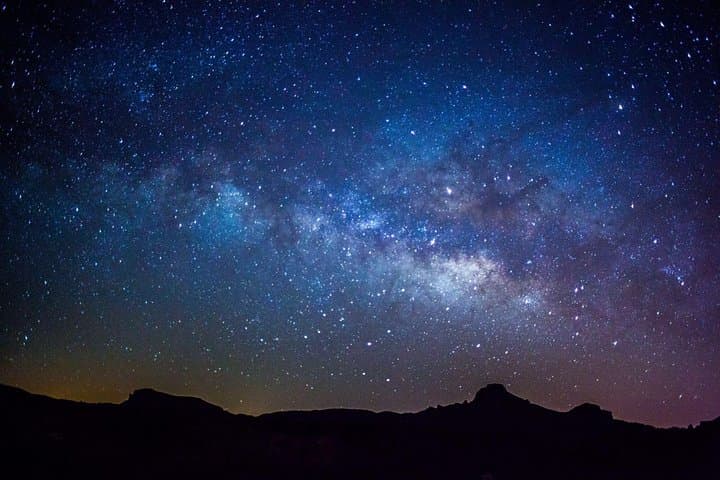
A cold wind off the caldera brushes your jacket as the minibus drops you at a ridge in Teide National Park. Above, the sky opens—black, immediate, packed with stars that seem to lean toward you. Professional telescopes are already trained; the guide points, you look, and the rings of Saturn submit to the lens like a small, bright coin.
Verified experiences and guided adventures in the surrounding area.
Operated by Pindoria Viajes SL · Costa Adeje, Santa Cruz de Tenerife
A cold wind off the caldera brushes your jacket as the minibus drops you at a ridge in Teide National Park. Above, the sky opens—black, immediate, packed with stars that seem to lean toward you. Professional telescopes are already trained; the guide points, you look, and the rings of Saturn submit to the lens like a small, bright coin.
This evening pairs Canarian cuisine with high-altitude astronomy. Teide is a volcanic cone rising from ancient lava flows; its 2,000–3,700 m ridgelines create dry, stable air and minimal light pollution—one reason astronomers have long favored Tenerife. The area also carries Guanche echoes: indigenous shepherding routes and place names that predate the island’s colonial era.
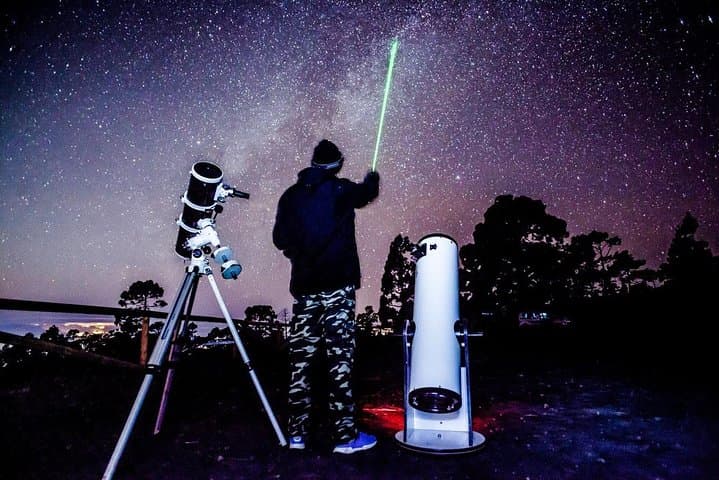
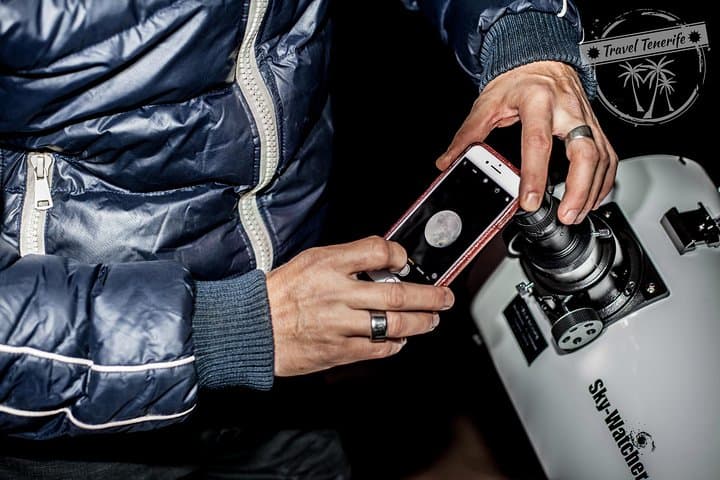
Expect a mix of equipment demonstration, telescope viewing of planets, nebulae and star clusters, and an astrophotography setup for long exposures. The meal—three courses in a local Canarian restaurant—grounds the night with regional flavors: goat cheese, mojo sauces and hearty stews.
Practicalities matter: the site is at high altitude so temperature drops quickly and oxygen thins; plan layers and modest exertion. Bring a camera and tripod if you want long exposures; guides typically operate 2–4 telescopes so queue times are possible. Pickup covers selected hotels in the south; confirm meeting point in advance.
This is an easy, sensory-first outing that rewards patience—wait through the chill, and the sky will push its stories forward.
easy.
5 hours.
Suitable for most fitness levels but expect walking on uneven surfaces and effects of altitude; no strenuous hiking.
Night temperatures commonly drop into single digits Celsius and can be much colder depending on season—bring warm layers and windproof outerwear.
Yes; under clear skies Teide offers views of the Milky Way, planets like Jupiter and Saturn, and bright nebulae depending on season and sky conditions.
The activity is suitable for most children, but it’s not recommended for pregnant travelers or those with serious heart problems due to high altitude.
Pickup and drop-off are available from selected hotels (mainly in southern Tenerife); confirm your hotel is on the list when booking.
Mount Teide is a stratovolcano whose eruptions shaped Tenerife’s landscape; the area also carries cultural significance from the island’s indigenous Guanche people.
Teide National Park is a protected area with dark-sky initiatives; stay on paths, pack out waste and respect restricted zones to protect fragile high-altitude habitats.
Pindoria Viajes SL operates guided outdoor trips and adventures with an emphasis on safety, stewardship, and memorable experiences.
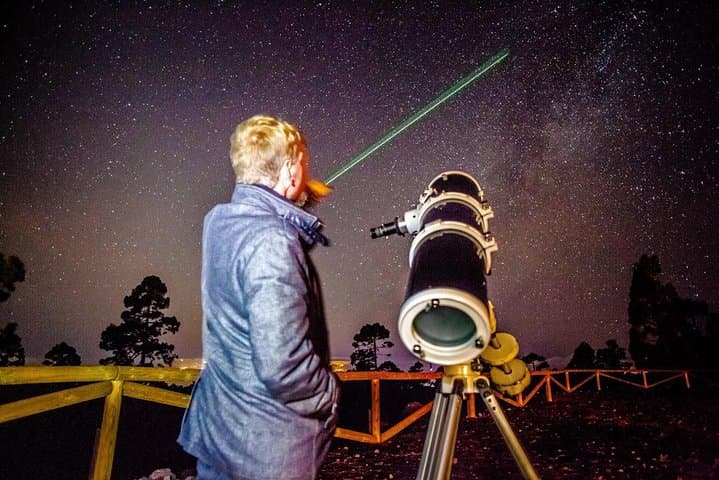
A cold wind off the caldera brushes your jacket as the minibus drops you at a ridge in Teide National Park. Above, the sky opens—black, immediate, packed with stars that seem to lean toward you. Professional telescopes are already trained; the guide points, you look, and the rings of Saturn submit to the lens like a small, bright coin.
A cold wind off the caldera brushes your jacket as the minibus drops you at a ridge in Teide National Park. Above, the sky opens—black, immediate, packed with stars that seem to lean toward you. Professional telescopes are already trained; the guide points, you look, and the rings of Saturn submit to the lens like a small, bright coin.
This evening pairs Canarian cuisine with high-altitude astronomy. Teide is a volcanic cone rising from ancient lava flows; its 2,000–3,700 m ridgelines create dry, stable air and minimal light pollution—one reason astronomers have long favored Tenerife. The area also carries Guanche echoes: indigenous shepherding routes and place names that predate the island’s colonial era.
Expect a mix of equipment demonstration, telescope viewing of planets, nebulae and star clusters, and an astrophotography setup for long exposures. The meal—three courses in a local Canarian restaurant—grounds the night with regional flavors: goat cheese, mojo sauces and hearty stews.
Practicalities matter: the site is at high altitude so temperature drops quickly and oxygen thins; plan layers and modest exertion. Bring a camera and tripod if you want long exposures; guides typically operate 2–4 telescopes so queue times are possible. Pickup covers selected hotels in the south; confirm meeting point in advance.
This is an easy, sensory-first outing that rewards patience—wait through the chill, and the sky will push its stories forward.