THE ADVENTURE COLLECTIVE® · Independent discovery and booking for outdoor travel

A classic, sustained ascent from Puerto de la Cruz to Mount Teide — 94 km with 2,400 m of climbing. Forecast changing weather, rent a properly geared road bike, and prepare for a long, rewarding day in volcanic alpine terrain.
A classic, sustained ascent from Puerto de la Cruz to Mount Teide — 94 km with 2,400 m of climbing. Forecast changing weather, rent a properly geared road bike, and prepare for a long, rewarding day in volcanic alpine terrain.
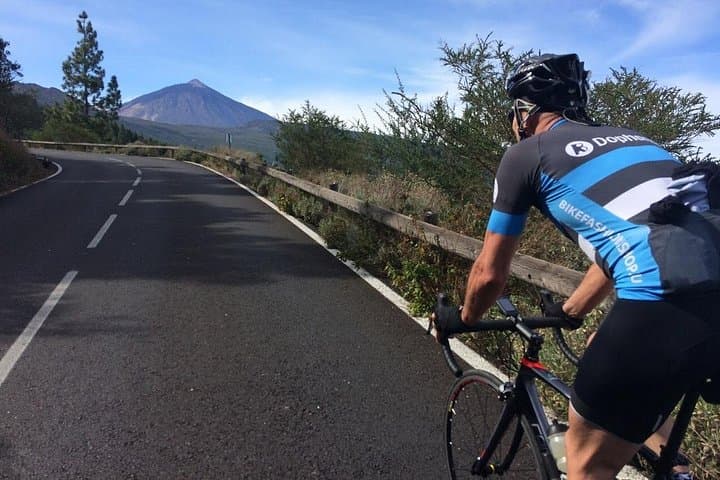
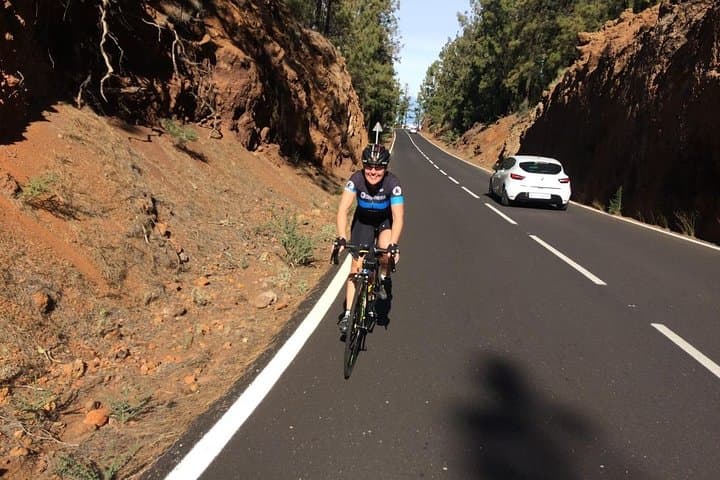
Morning light hits the Atlantic and the sea temperature line seems to retreat as you roll out of Puerto de la Cruz. The road climbs steadily; villages slip behind, pine forests thin, and the wind begins to push at your shoulders as the pavement bends toward Teide.
Verified experiences and guided adventures in the surrounding area.
Operated by Ride Base · Puerto de la Cruz, Tenerife
Morning light hits the Atlantic and the sea temperature line seems to retreat as you roll out of Puerto de la Cruz. The road climbs steadily; villages slip behind, pine forests thin, and the wind begins to push at your shoulders as the pavement bends toward Teide.
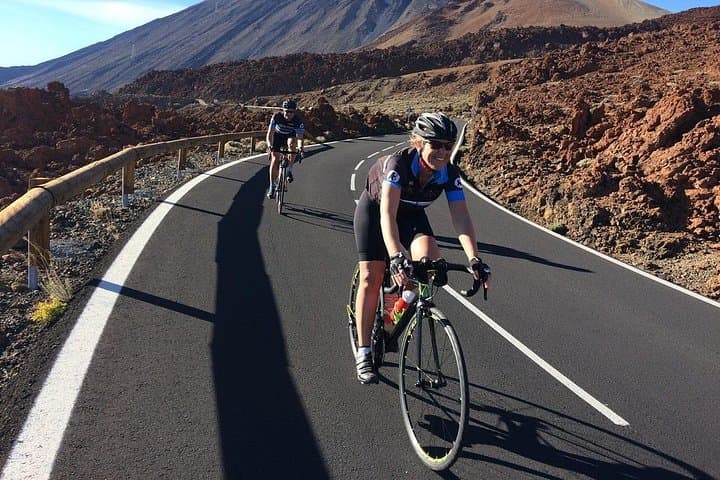
This is the longest consecutive climb in Europe: roughly 47 km of ascending on a 94 km loop with 2,400 m of gain. The route threads through La Orotava’s terraces, climbs past laurel and pine at lower elevations, then enters Teide National Park where black volcanic rock and pumice make the landscape feel otherworldly — a geological record of eruptions that built Tenerife over millions of years. The peak was sacred to the Guanche people and today it’s a UNESCO geopark prized by cyclists and scientists alike.
Expect changing microclimates: warm, ocean-scented air at the coast, crisp and thin higher up, and a cold, fast descent back to town. Stops along the way give views over Puerto de la Cruz, the Bay of Tenerife, and the lunar slopes of Teide.
Practical guidance: this is a hard, sustained ride best attempted by experienced cyclists with proper gearing and strong descending skills. Start early to avoid heat and traffic. Rent a well-serviced road bike if you can’t bring one — many shops in Puerto de la Cruz offer carbon or aluminium rentals and pedal options. Carry layers for the summit descent, at least 2 liters of water, compact nutrition, and a basic repair kit. Follow local rules in the national park, ride predictably on descents, and plan for a 5–6 hour day depending on pace and stops.
challenging.
5–6 hours.
High level of endurance and climbing fitness; regular cyclists comfortable with long sustained climbs will manage best.
No — the tour guide arranges rental options (aluminium, carbon, disc) and pricing; bring your own if preferred.
It's challenging: 47 km of continuous ascent with 2,400 m gain; strong aerobic base and experience with long climbs are recommended.
Spring and autumn offer stable temperatures and less wind; summer can be hot at low elevations and winter brings cold near the summit and possible snow.
Yes — small villages and viewpoints provide opportunities to refill and grab snacks before entering the more remote sections of Teide National Park.
Teide is a volcanic peak formed by successive eruptions; it was venerated by the indigenous Guanche people and later mapped by European naturalists.
Teide’s high-altitude ecosystems are fragile; stick to paved roads, avoid disturbing endemic plants, and pack out all waste.
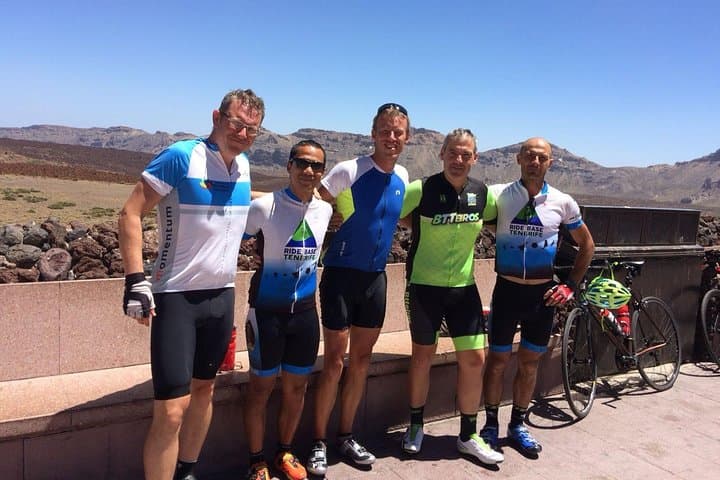
Ride Base operates guided outdoor trips and adventures with an emphasis on safety, stewardship, and memorable experiences.
Morning light hits the Atlantic and the sea temperature line seems to retreat as you roll out of Puerto de la Cruz. The road climbs steadily; villages slip behind, pine forests thin, and the wind begins to push at your shoulders as the pavement bends toward Teide.
Morning light hits the Atlantic and the sea temperature line seems to retreat as you roll out of Puerto de la Cruz. The road climbs steadily; villages slip behind, pine forests thin, and the wind begins to push at your shoulders as the pavement bends toward Teide.
This is the longest consecutive climb in Europe: roughly 47 km of ascending on a 94 km loop with 2,400 m of gain. The route threads through La Orotava’s terraces, climbs past laurel and pine at lower elevations, then enters Teide National Park where black volcanic rock and pumice make the landscape feel otherworldly — a geological record of eruptions that built Tenerife over millions of years. The peak was sacred to the Guanche people and today it’s a UNESCO geopark prized by cyclists and scientists alike.
Expect changing microclimates: warm, ocean-scented air at the coast, crisp and thin higher up, and a cold, fast descent back to town. Stops along the way give views over Puerto de la Cruz, the Bay of Tenerife, and the lunar slopes of Teide.
Practical guidance: this is a hard, sustained ride best attempted by experienced cyclists with proper gearing and strong descending skills. Start early to avoid heat and traffic. Rent a well-serviced road bike if you can’t bring one — many shops in Puerto de la Cruz offer carbon or aluminium rentals and pedal options. Carry layers for the summit descent, at least 2 liters of water, compact nutrition, and a basic repair kit. Follow local rules in the national park, ride predictably on descents, and plan for a 5–6 hour day depending on pace and stops.