THE ADVENTURE COLLECTIVE® · Independent discovery and booking for outdoor travel

Stand among domes and solar telescopes at 2,400 m on Tenerife to watch the Sun and learn how astrophysicists work. This two-hour guided visit blends geology, culture and hands-on observation with clear, practical advice for high-altitude visitors.
Stand among domes and solar telescopes at 2,400 m on Tenerife to watch the Sun and learn how astrophysicists work. This two-hour guided visit blends geology, culture and hands-on observation with clear, practical advice for high-altitude visitors.
You step from the parking lot onto gravel that tastes of mountain and sun; the air is thin and bright, the horizon stretched into a low, hard line. At 2,400 meters the sky feels close enough to touch—sunlight chisels the volcanic slopes and the observatory’s dishes and domes stand like instruments of a different era, quietly turning toward the light.
Verified experiences and guided adventures in the surrounding area.
Operated by Volcano Teide Experience · Izaña, Santa Cruz de Tenerife
You step from the parking lot onto gravel that tastes of mountain and sun; the air is thin and bright, the horizon stretched into a low, hard line. At 2,400 meters the sky feels close enough to touch—sunlight chisels the volcanic slopes and the observatory’s dishes and domes stand like instruments of a different era, quietly turning toward the light.
The Teide Observatory is one of the world’s premier solar and nocturnal research sites, established to take advantage of the Canaries’ clean air and stable atmosphere. The volcanic landscape around Teide is recent on a geological timescale—lava flows, pyroclastic layers and basaltic ridges record eruptions that sculpted Tenerife—and the observatory’s placement exploits the island’s elevation and low humidity for clearer seeing.
Culturally, the sky has long been central to Canary Islanders: traditional navigation, seasonal festivals and modern astrophysics meet here. During the guided two-hour visit you’ll learn about the Canary Islands Institute of Astrophysics projects, handle solar telescopes to view sunspots and flares, and step inside a nocturnal telescope to understand its engineering and history.
Practical guidance: arrive 30 minutes early for check-in at the parking area; expect gravel walking on uneven ground and potential strong sun exposure. Dress in layers and bring at least 1–2 liters of water—altitude amplifies dehydration. If you have cardio, respiratory or ear issues, consult a doctor before booking; the site has no onsite medical services. Tours may be cancelled for weather or safety reasons, especially in winter when snow and ice affect access. Follow your guide’s instructions closely and let them know immediately if you feel dizzy or short of breath.
moderate.
2 hours.
Moderate fitness; able to walk short distances on gravel at high altitude and tolerate reduced oxygen levels.
Children can attend but should be supervised; the site involves gravel walking and altitude effects—consult guides if a child has health concerns.
The guided visit includes structured solar observations through dedicated solar telescopes and an interior tour of a nocturnal telescope; visibility depends on weather and telescope availability.
Yes—tours can be canceled for safety reasons such as snow, ice, or conditions that affect road access or telescope operations; bookings may be refunded if canceled 24+ hours in advance per policy.
No—there is no onsite medical service; the nearest hospital is about 90 minutes away, so inform guides immediately of any altitude-related symptoms.
The observatory was established in the mid-20th century to exploit Tenerife’s stable atmosphere; it hosts international solar and night-time telescopes managed in collaboration with European institutions.
Light pollution controls around the observatory protect night sky quality; visitors are encouraged to follow paths and avoid disturbing native vegetation to prevent erosion.
Volcano Teide Experience operates guided outdoor trips and adventures with an emphasis on safety, stewardship, and memorable experiences.
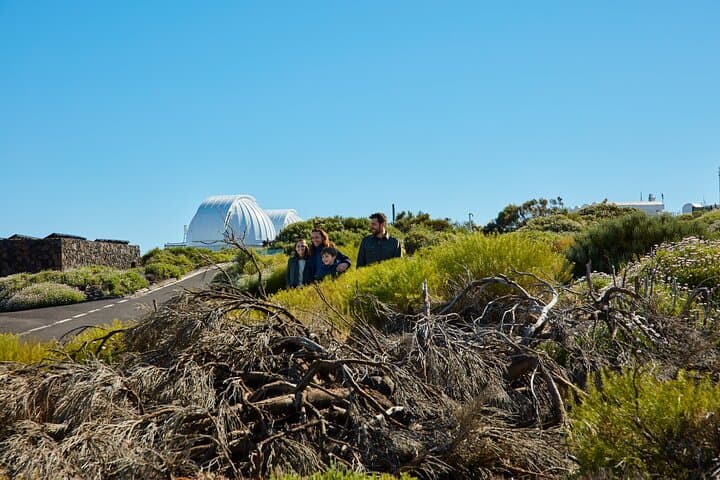
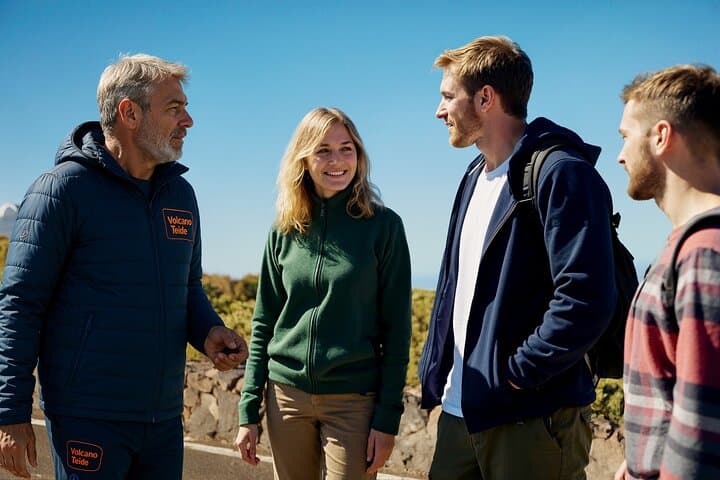
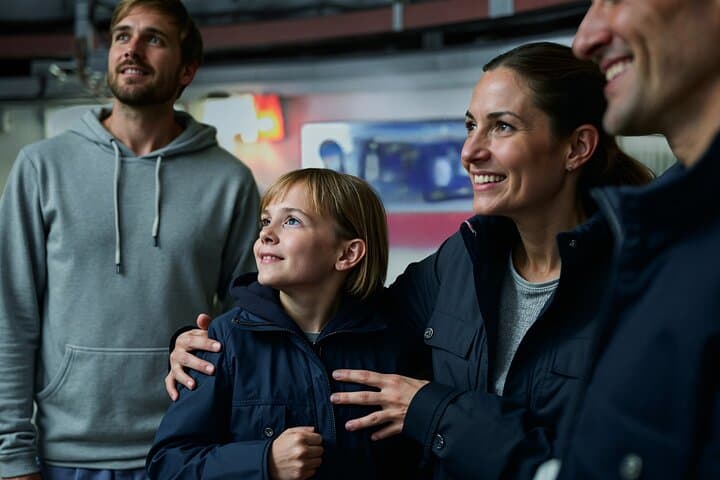

You step from the parking lot onto gravel that tastes of mountain and sun; the air is thin and bright, the horizon stretched into a low, hard line. At 2,400 meters the sky feels close enough to touch—sunlight chisels the volcanic slopes and the observatory’s dishes and domes stand like instruments of a different era, quietly turning toward the light.
You step from the parking lot onto gravel that tastes of mountain and sun; the air is thin and bright, the horizon stretched into a low, hard line. At 2,400 meters the sky feels close enough to touch—sunlight chisels the volcanic slopes and the observatory’s dishes and domes stand like instruments of a different era, quietly turning toward the light.
The Teide Observatory is one of the world’s premier solar and nocturnal research sites, established to take advantage of the Canaries’ clean air and stable atmosphere. The volcanic landscape around Teide is recent on a geological timescale—lava flows, pyroclastic layers and basaltic ridges record eruptions that sculpted Tenerife—and the observatory’s placement exploits the island’s elevation and low humidity for clearer seeing.
Culturally, the sky has long been central to Canary Islanders: traditional navigation, seasonal festivals and modern astrophysics meet here. During the guided two-hour visit you’ll learn about the Canary Islands Institute of Astrophysics projects, handle solar telescopes to view sunspots and flares, and step inside a nocturnal telescope to understand its engineering and history.
Practical guidance: arrive 30 minutes early for check-in at the parking area; expect gravel walking on uneven ground and potential strong sun exposure. Dress in layers and bring at least 1–2 liters of water—altitude amplifies dehydration. If you have cardio, respiratory or ear issues, consult a doctor before booking; the site has no onsite medical services. Tours may be cancelled for weather or safety reasons, especially in winter when snow and ice affect access. Follow your guide’s instructions closely and let them know immediately if you feel dizzy or short of breath.