THE ADVENTURE COLLECTIVE® · Independent discovery and booking for outdoor travel

A private, geologist-led 6–7 hour exploration of Teide National Park and the Orotava Valley. Perfect for cruise or airport arrivals, this adaptable tour blends volcanic geology, high-altitude views and Canarian culture with personalized pickup and an expert guide.
A private, geologist-led 6–7 hour exploration of Teide National Park and the Orotava Valley. Perfect for cruise or airport arrivals, this adaptable tour blends volcanic geology, high-altitude views and Canarian culture with personalized pickup and an expert guide.
You step out of the SUV and the island rewrites itself: the wind scours the air clean, basalt and pumice crunch underfoot, and Teide looms like an old world made new. The guide—an island geologist—points up at the flanks of Pico Viejo while the Atlantic sits low and blue on the horizon; a sea of clouds is parked in the caldera below, folding light and shadow into the landscape.
Verified experiences and guided adventures in the surrounding area.
Operated by Geoteide · Santa Cruz de Tenerife, Tenerife
You step out of the SUV and the island rewrites itself: the wind scours the air clean, basalt and pumice crunch underfoot, and Teide looms like an old world made new. The guide—an island geologist—points up at the flanks of Pico Viejo while the Atlantic sits low and blue on the horizon; a sea of clouds is parked in the caldera below, folding light and shadow into the landscape.
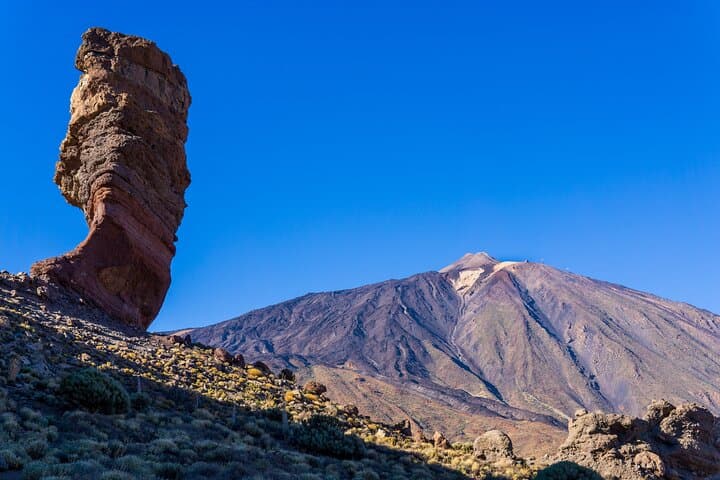
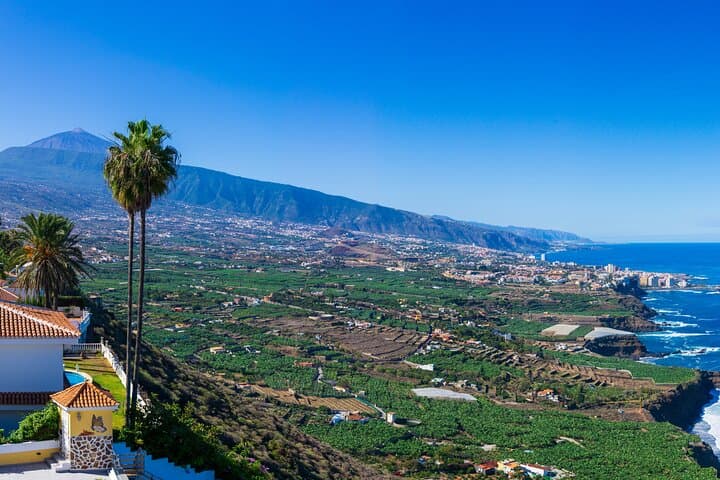
This private 6–7 hour exploration stitches together Tenerife’s geology and human story. Teide is not just a mountain; it is a volcanic monument that rises from the sea floor to 3,718 m and records the island’s violent birth. The drive across Las Cañadas reveals layers of lava flows, ash terraces and wind-carved towers such as the Roques de García—rock sculptures that read like pages in a volcanic field guide. High altitude pines and endemic flora cling to sheltered hollows, while the Orotava Valley—formed by colossal landslides—has become an orchard of banana and vine, a reminder that human culture here adapts to geological rhythm.
Nearby towns such as La Orotava and San Cristóbal de La Laguna (UNESCO-listed) show a different face of Tenerife: colonial streets, balconied houses and plazas that trace the island’s role in Atlantic navigation and Canarian life. Your guide brings this into focus, translating lava morphology into a story of eruptions, erosion and island evolution, and pointing out small cultural details—a century-old hacienda, a cafe with a view—that make the day feel local rather than touristy.
Practically, the tour is built for flexibility. Pickup from Santa Cruz port, Tenerife North airport or hotels in the metro area makes it easy for cruise passengers or early arrivals. Expect significant driving with several short walks and viewpoint stops; the highest points can be windy and noticeably cooler, so layers are essential. The guide carries a camera and shares photos afterward, and child seats are available for families.
Plan for altitude: even if the walking is light, the air is thinner above 2,000 m and weather can change quickly. Bring sunscreen, adequate water and sturdy shoes for uneven volcanic terrain. If you want fewer stops and more time at Teide, say so—the route is fully adaptable to your interests and pace.
In short, this private, geologist-led day trip is for travelers who want to understand Tenerife’s landscape as a living system: dramatic eruptions, patient plant life, and centuries of human adaptation, all visible through a single, carefully guided day.
moderate.
6–7 hours.
Suitable for travelers in average physical condition who can handle short walks on uneven, high-altitude terrain and several hours in a vehicle.
The experience runs about 6–7 hours with pickup available at Santa Cruz port, Tenerife North airport or hotels in the metropolitan area; exact pickup is arranged after booking.
Yes—child seats and stroller access are available; the itinerary is private and can be adjusted for family needs.
No high fitness level is required—walks are short, but expect uneven terrain and altitude changes, so moderate mobility is helpful.
The tour visits Teide National Park and viewpoints; summit access requires a separate cable car permit and hike, which can be arranged in advance if desired.
The listing implies a local, official guide and geologist—confirm language preferences when booking so they can accommodate your group.
Bring a packable waterproof shell and warm layers; the provider may cancel or reschedule in severe weather for safety.
Tenerife’s towns reflect centuries of maritime exchange; San Cristóbal de La Laguna is a UNESCO World Heritage city-planned model that influenced colonial urban design in the Americas.
Teide’s high-altitude ecosystems are fragile—stay on marked paths, avoid collecting rocks or plants, and respect wildlife to reduce impact.
Geoteide operates guided outdoor trips and adventures with an emphasis on safety, stewardship, and memorable experiences.
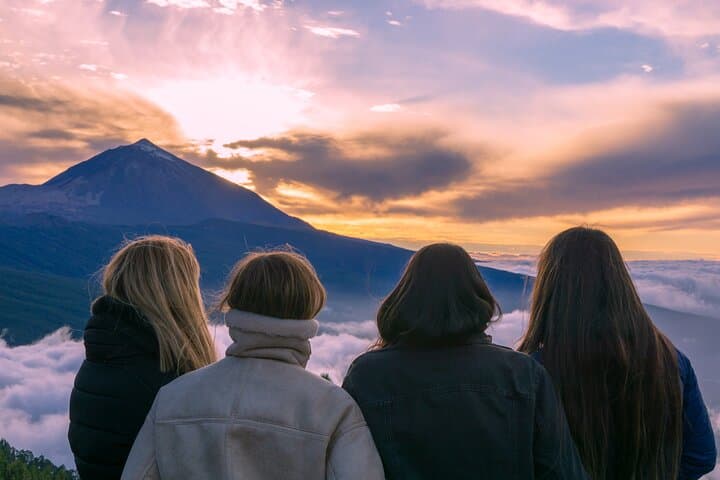
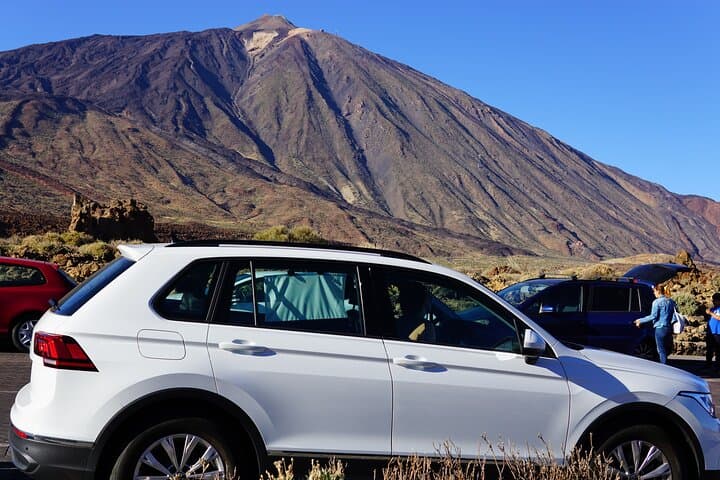
You step out of the SUV and the island rewrites itself: the wind scours the air clean, basalt and pumice crunch underfoot, and Teide looms like an old world made new. The guide—an island geologist—points up at the flanks of Pico Viejo while the Atlantic sits low and blue on the horizon; a sea of clouds is parked in the caldera below, folding light and shadow into the landscape.
You step out of the SUV and the island rewrites itself: the wind scours the air clean, basalt and pumice crunch underfoot, and Teide looms like an old world made new. The guide—an island geologist—points up at the flanks of Pico Viejo while the Atlantic sits low and blue on the horizon; a sea of clouds is parked in the caldera below, folding light and shadow into the landscape.
This private 6–7 hour exploration stitches together Tenerife’s geology and human story. Teide is not just a mountain; it is a volcanic monument that rises from the sea floor to 3,718 m and records the island’s violent birth. The drive across Las Cañadas reveals layers of lava flows, ash terraces and wind-carved towers such as the Roques de García—rock sculptures that read like pages in a volcanic field guide. High altitude pines and endemic flora cling to sheltered hollows, while the Orotava Valley—formed by colossal landslides—has become an orchard of banana and vine, a reminder that human culture here adapts to geological rhythm.
Nearby towns such as La Orotava and San Cristóbal de La Laguna (UNESCO-listed) show a different face of Tenerife: colonial streets, balconied houses and plazas that trace the island’s role in Atlantic navigation and Canarian life. Your guide brings this into focus, translating lava morphology into a story of eruptions, erosion and island evolution, and pointing out small cultural details—a century-old hacienda, a cafe with a view—that make the day feel local rather than touristy.
Practically, the tour is built for flexibility. Pickup from Santa Cruz port, Tenerife North airport or hotels in the metro area makes it easy for cruise passengers or early arrivals. Expect significant driving with several short walks and viewpoint stops; the highest points can be windy and noticeably cooler, so layers are essential. The guide carries a camera and shares photos afterward, and child seats are available for families.
Plan for altitude: even if the walking is light, the air is thinner above 2,000 m and weather can change quickly. Bring sunscreen, adequate water and sturdy shoes for uneven volcanic terrain. If you want fewer stops and more time at Teide, say so—the route is fully adaptable to your interests and pace.
In short, this private, geologist-led day trip is for travelers who want to understand Tenerife’s landscape as a living system: dramatic eruptions, patient plant life, and centuries of human adaptation, all visible through a single, carefully guided day.