THE ADVENTURE COLLECTIVE® · Independent discovery and booking for outdoor travel

Explore the Tehuacán-Cuicatlán dryland: walk interpretive cactus trails, watch ancestral mezcal production, and taste three local expressions paired with a traditional lunch. This full-day tour blends natural history and living culture in one immersive itinerary.
Explore the Tehuacán-Cuicatlán dryland: walk interpretive cactus trails, watch ancestral mezcal production, and taste three local expressions paired with a traditional lunch. This full-day tour blends natural history and living culture in one immersive itinerary.
The sun leans low over a spiny skyline as you step from the van into a landscape that looks as if it were carved for endurance. Cecilias of agave and columnar cacti throw long shadows across gravelly paths; the air smells faintly of dust and smoke where roasting pits warm the palenque. This is the Tehuacán region—dry, bright, and alive with textures.
Verified experiences and guided adventures in the surrounding area.
Operated by Bufón Tours · Tehuacán, Puebla
The sun leans low over a spiny skyline as you step from the van into a landscape that looks as if it were carved for endurance. Cecilias of agave and columnar cacti throw long shadows across gravelly paths; the air smells faintly of dust and smoke where roasting pits warm the palenque. This is the Tehuacán region—dry, bright, and alive with textures.
Geology here is folded limestone valleys and badlands, a mosaic of microclimates that has allowed hundreds of endemic succulents to evolve. Human history runs parallel: this valley is one of Mesoamerica’s earliest centers of plant domestication and agave use, and contemporary communities keep ancestral distillation methods alive. Visit a curated cactus garden and interpretive trails to learn species ID and see pollinators at work, then move to a family-run mezcalería where ovens, tahonas and copper stills reveal the timeline from piña to potable spirit. The tasting usually presents three expressions that reflect roasting time, fermentation vessel and distillation cut.
Practicalities: the full-day tour runs about 10–11 hours with moderate walking—expect 1–4 km of interpretive trails, loose gravel, and short uneven slopes at roughly 1,500–1,900 m elevation. Bring sun protection, 1–2 liters of water, sturdy closed-toe shoes, and snacks if you have dietary needs (lunch is included). Respect the palenque etiquette: ask before photographing and follow the guide during tasting. Timing a visit in the dry season reduces chance of afternoon thunderstorms and makes trails easier. This trip pairs natural history with cultural immersion—ambitious but accessible to anyone comfortable on unpaved trails and curious about mezcal’s roots.
moderate.
10–11 hours.
Suitable for people with moderate fitness who can manage several short walks on uneven ground and tolerate standing during demonstrations and tastings.
The tour is approximately 10–11 hours and typically includes entry to the cactus garden, a guided mezcal visit with a three-expression tasting, and a traditional lunch.
Options vary by operator—this listing offers pickup questions during booking; confirm pickup location and times when you reserve.
Yes—tastings are guided and meant to educate; ask for water between samples and pace yourself if you prefer smaller pours.
Many trails are gravel and uneven; accessibility is limited—contact the operator ahead to discuss specific needs.
The Tehuacán valley is a long-term center of plant domestication and agave use, with local communities preserving distillation methods passed down through generations.
The biosphere reserve protects an exceptionally diverse dryland ecosystem—visitors should stay on marked trails, avoid collecting plant material, and support local businesses that practice sustainable agave harvesting.
Bufón Tours operates guided outdoor trips and adventures with an emphasis on safety, stewardship, and memorable experiences.
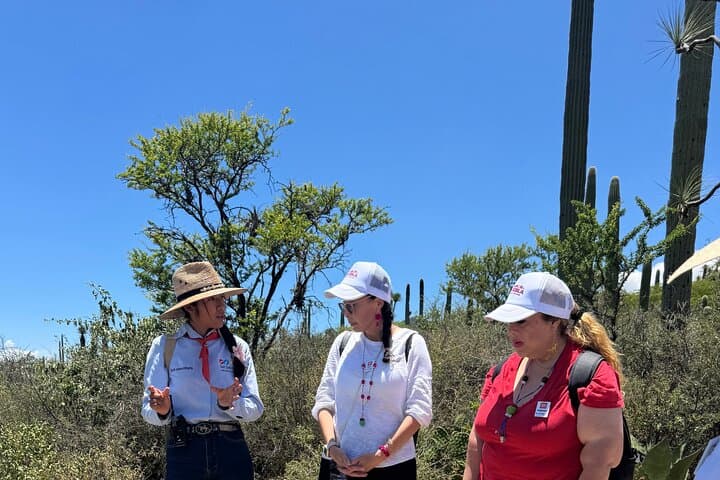
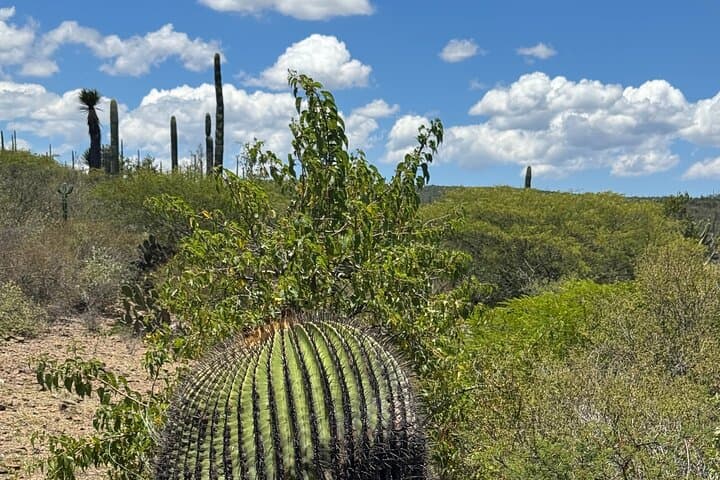
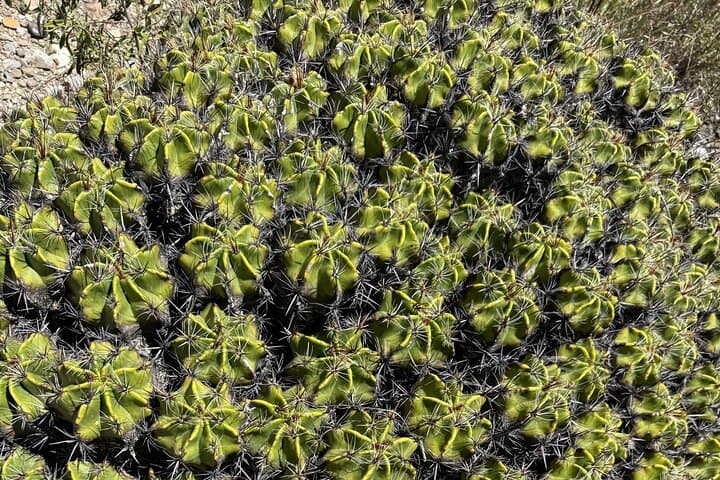
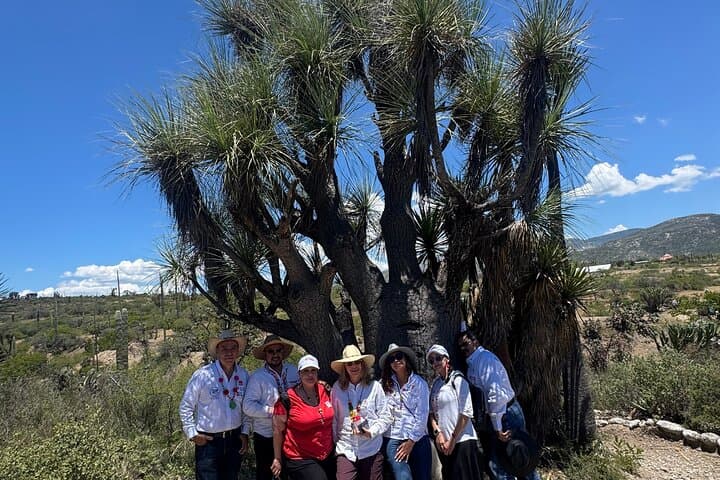
The sun leans low over a spiny skyline as you step from the van into a landscape that looks as if it were carved for endurance. Cecilias of agave and columnar cacti throw long shadows across gravelly paths; the air smells faintly of dust and smoke where roasting pits warm the palenque. This is the Tehuacán region—dry, bright, and alive with textures.
The sun leans low over a spiny skyline as you step from the van into a landscape that looks as if it were carved for endurance. Cecilias of agave and columnar cacti throw long shadows across gravelly paths; the air smells faintly of dust and smoke where roasting pits warm the palenque. This is the Tehuacán region—dry, bright, and alive with textures.
Geology here is folded limestone valleys and badlands, a mosaic of microclimates that has allowed hundreds of endemic succulents to evolve. Human history runs parallel: this valley is one of Mesoamerica’s earliest centers of plant domestication and agave use, and contemporary communities keep ancestral distillation methods alive. Visit a curated cactus garden and interpretive trails to learn species ID and see pollinators at work, then move to a family-run mezcalería where ovens, tahonas and copper stills reveal the timeline from piña to potable spirit. The tasting usually presents three expressions that reflect roasting time, fermentation vessel and distillation cut.
Practicalities: the full-day tour runs about 10–11 hours with moderate walking—expect 1–4 km of interpretive trails, loose gravel, and short uneven slopes at roughly 1,500–1,900 m elevation. Bring sun protection, 1–2 liters of water, sturdy closed-toe shoes, and snacks if you have dietary needs (lunch is included). Respect the palenque etiquette: ask before photographing and follow the guide during tasting. Timing a visit in the dry season reduces chance of afternoon thunderstorms and makes trails easier. This trip pairs natural history with cultural immersion—ambitious but accessible to anyone comfortable on unpaved trails and curious about mezcal’s roots.