THE ADVENTURE COLLECTIVE® · Independent discovery and booking for outdoor travel

Spend a day walking the stepped rice terraces of Tegalalang, watching Mount Batur loom over Kintamani, and experiencing Tirta Empul’s holy spring. This concise guide covers what to expect, cultural norms, and practical tips for a full-day Ubud tour.
Spend a day walking the stepped rice terraces of Tegalalang, watching Mount Batur loom over Kintamani, and experiencing Tirta Empul’s holy spring. This concise guide covers what to expect, cultural norms, and practical tips for a full-day Ubud tour.
You step out of an air‑conditioned car and the valley exhales—rice paddies folding down the hillside in green ridges, and across the rim Mount Batur sits, a patient silhouette above a crater lake. The path along Tegalalang is worked by farmers and tourists alike: narrow terraces, stone steps, and the occasional coconut palm leaning toward the sky.
Verified experiences and guided adventures in the surrounding area.
Operated by Gading Bali Tour · Tegalalang, Bali
You step out of an air‑conditioned car and the valley exhales—rice paddies folding down the hillside in green ridges, and across the rim Mount Batur sits, a patient silhouette above a crater lake. The path along Tegalalang is worked by farmers and tourists alike: narrow terraces, stone steps, and the occasional coconut palm leaning toward the sky.
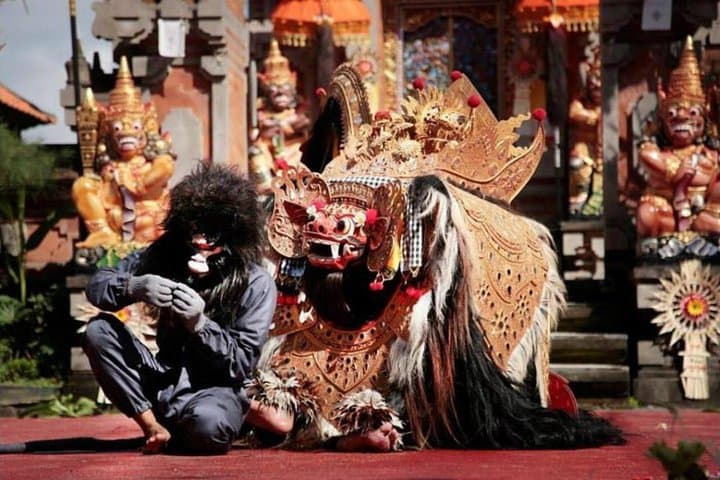
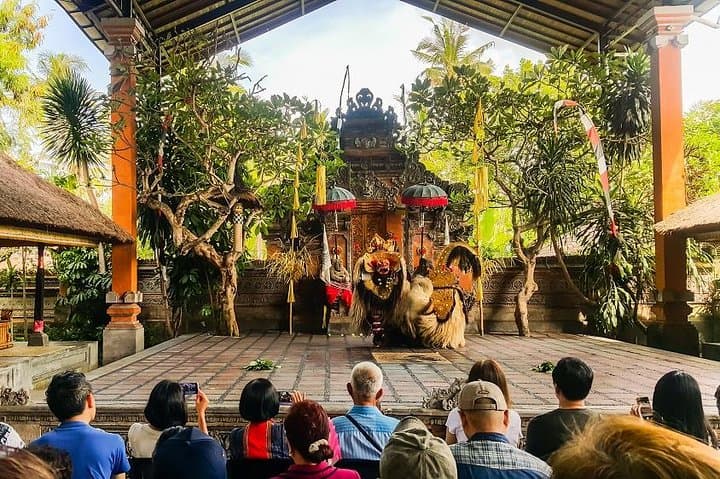
Tegalalang’s irrigation system, subak, is an age‑old communal method that shaped the landscape you see; nearby Tampaksiring hosts Tirta Empul, a spring temple referenced in inscriptions from 926 AD, still used for purification rituals. Geologically, Mount Batur is a young volcano in an active caldera system—its presence defines Kintamani’s wide views and the fertile soils that feed Bali’s paddies. Cultural moments punctuate the day: a Barong dance performance retells local myth, and Tirta Empul invites a ceremonial cleanse.
Practically, expect a full 8–10 hour day of easy walking, short guided stops, and viewpoint photos. Terraces are stepped and can be slippery after rain; allow time for narrow paths and local vendors. Bring modest clothing for temples (sarongs/sashes are often available), sunscreen, and small bills for entrance or offerings. Morning or late afternoon light makes for the most dramatic photos and cooler walking. Hydrate on the drive between sites—your guide supplies bottled water—and leave space in your schedule for unhurried lunches with mountain views. The loop is ideal for travelers wanting scenic photography, gentle cultural immersion, and a clear introduction to Bali’s landscape systems.
easy.
8–10 hours.
Suitable if you can walk unassisted for several hours and manage short flights of stairs; minimal endurance required.
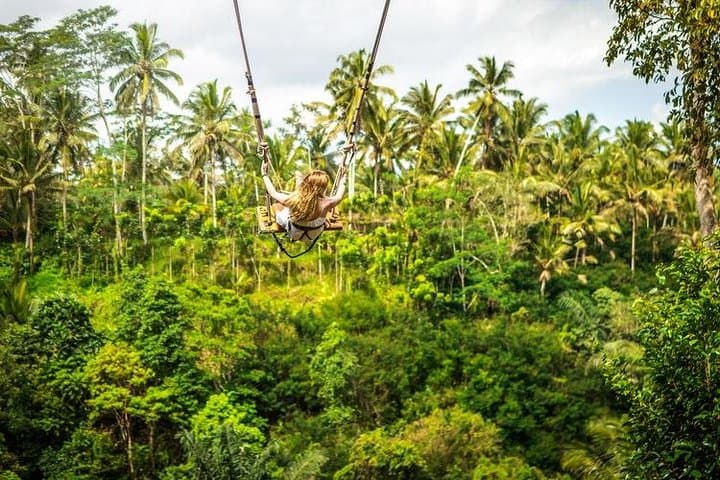
Most attraction admissions (Tegalalang viewpoints, Tirta Empul) and optional activities like swings are typically not included—bring cash; confirm specifics with your operator.
This tour offers private transportation; pickup from central Ubud hotels is normally arranged—confirm your exact pickup point when booking.
Yes; visitors may join the purification ritual but should follow temple protocol—cover shoulders and knees, and be prepared to follow the guide’s instructions.
Early morning or late afternoon provides softer light, cooler temperatures, and fewer crowds at Tegalalang and viewpoints.
The subak cooperative irrigation system has organized Balinese rice agriculture for centuries; Tirta Empul’s spring and court inscriptions date key ritual life back over a thousand years.
Heavy visitation stresses fragile terrace edges and local water use; stick to marked paths, avoid littering, and support locally owned cafes and guides to keep revenue in the community.
Gading Bali Tour operates guided outdoor trips and adventures with an emphasis on safety, stewardship, and memorable experiences.
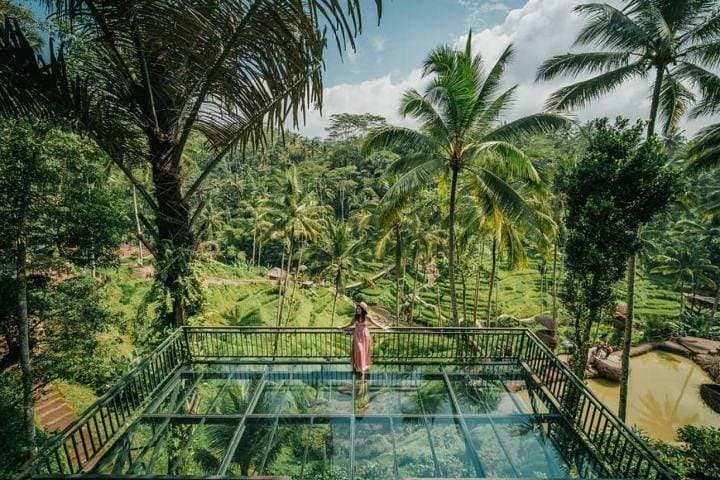
You step out of an air‑conditioned car and the valley exhales—rice paddies folding down the hillside in green ridges, and across the rim Mount Batur sits, a patient silhouette above a crater lake. The path along Tegalalang is worked by farmers and tourists alike: narrow terraces, stone steps, and the occasional coconut palm leaning toward the sky.
You step out of an air‑conditioned car and the valley exhales—rice paddies folding down the hillside in green ridges, and across the rim Mount Batur sits, a patient silhouette above a crater lake. The path along Tegalalang is worked by farmers and tourists alike: narrow terraces, stone steps, and the occasional coconut palm leaning toward the sky.
Tegalalang’s irrigation system, subak, is an age‑old communal method that shaped the landscape you see; nearby Tampaksiring hosts Tirta Empul, a spring temple referenced in inscriptions from 926 AD, still used for purification rituals. Geologically, Mount Batur is a young volcano in an active caldera system—its presence defines Kintamani’s wide views and the fertile soils that feed Bali’s paddies. Cultural moments punctuate the day: a Barong dance performance retells local myth, and Tirta Empul invites a ceremonial cleanse.
Practically, expect a full 8–10 hour day of easy walking, short guided stops, and viewpoint photos. Terraces are stepped and can be slippery after rain; allow time for narrow paths and local vendors. Bring modest clothing for temples (sarongs/sashes are often available), sunscreen, and small bills for entrance or offerings. Morning or late afternoon light makes for the most dramatic photos and cooler walking. Hydrate on the drive between sites—your guide supplies bottled water—and leave space in your schedule for unhurried lunches with mountain views. The loop is ideal for travelers wanting scenic photography, gentle cultural immersion, and a clear introduction to Bali’s landscape systems.