THE ADVENTURE COLLECTIVE® · Independent discovery and booking for outdoor travel

A full-day guided hike from Marrakech to the Tedli summit climbs to about 2,500 m through Berber villages, almond groves and high mountain trails, finishing with panoramic views of Jbel Toubkal and a traditional Moroccan lunch.
A full-day guided hike from Marrakech to the Tedli summit climbs to about 2,500 m through Berber villages, almond groves and high mountain trails, finishing with panoramic views of Jbel Toubkal and a traditional Moroccan lunch.
The trail opens with the car door and a cool breath of mountain air: Marrakech recedes into ochre plains and the road climbs toward Imlil, where stone houses lean into terraces and paths vanish into almond groves.
Verified experiences and guided adventures in the surrounding area.
Operated by Trips From Marrakech · Imlil, Marrakesh-Safi
The trail opens with the car door and a cool breath of mountain air: Marrakech recedes into ochre plains and the road climbs toward Imlil, where stone houses lean into terraces and paths vanish into almond groves.
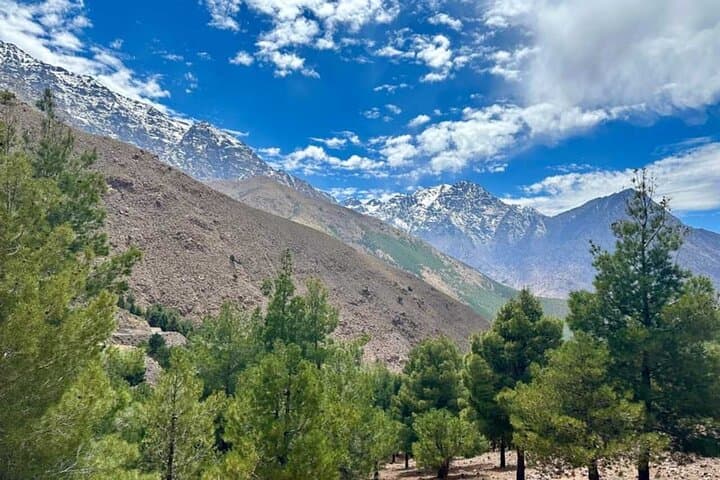
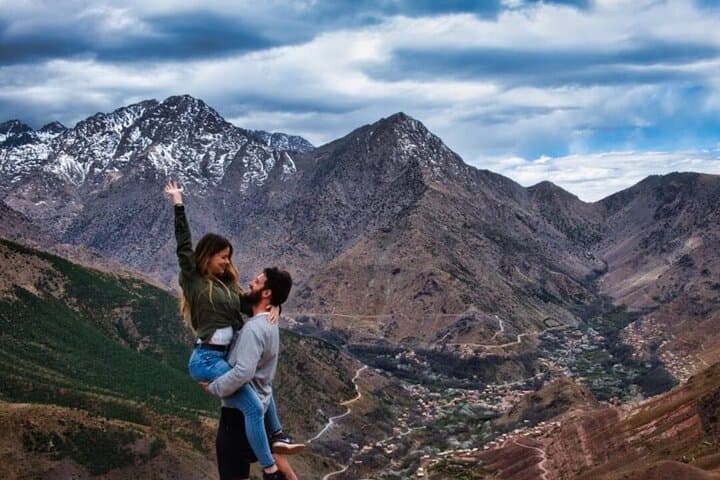
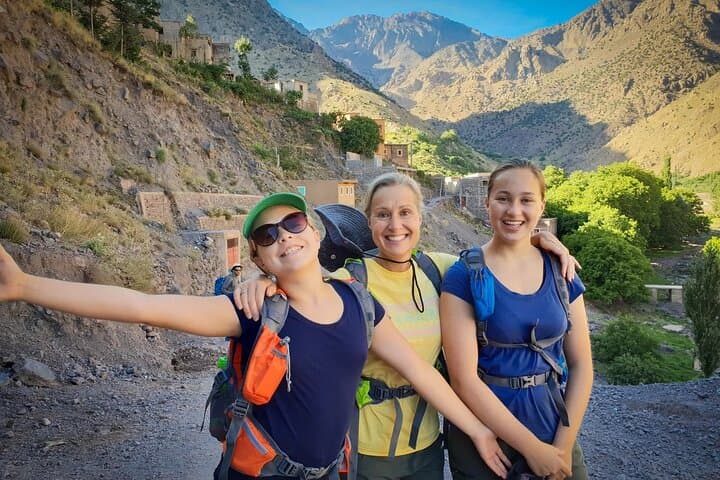
From a 1,740 m trailhead the route threads through Berber hamlets, walnut patches and mule tracks, rising to the Tedli Atlas summit at roughly 2,500 m. The mountains here are young and rugged—folded Atlas ranges of volcanic and sedimentary rock carved by winter snow and summer sun. Villages like Ait Souka and Tamatert still practice traditional agriculture and irrigation, and local guides bring stories of seasonal harvests and mountain life.
Expect compacted earth, loose scree sections and well-worn shepherd paths. The ascent gains about 750–800 m; typical routes cover roughly 8–12 km round-trip depending on side trails and the exact summit reached. On clear days Jbel Toubkal’s serrated silhouette dominates the horizon while valleys below hold terraced fields that change color with the seasons.
Practical guidance: start early to avoid midday heat, bring layered clothing for 2,000+ m temperature swings, and pack 2–3 liters of water. Good hiking boots and trekking poles help on steep or loose sections; a mid-day lunch at the summit or a picnic spot in Imlil rewards the effort. Acclimatize if you’ve come from low altitude, and be prepared for weather shifts—mountains here can turn quickly. The guided day trip includes transport, a local guide and a hot Moroccan lunch—ideal for travelers seeking a concentrated High Atlas experience with cultural context and manageable logistics.
moderate.
7 hours.
Good aerobic fitness for sustained ascent and uneven terrain; comfortable with 700–800 m elevation gain.
The hike is moderate: expect 700–800 m of gain over well-marked but sometimes steep trails—suitable for fit beginners with prior day-hike experience.
A local guide is highly recommended for navigation, cultural context, and route adjustments for weather or snow; the tour includes one.
Typical inclusions are pickup/drop-off in Marrakech, transportation, a local guide, a mountain lunch and hot tea; camel ride options may be offered on some itineraries.
The summit reaches ~2,500 m; most people tolerate this without formal acclimatization, but ascending gradually and staying hydrated reduces altitude discomfort.
The High Atlas is inhabited by Amazigh (Berber) communities with centuries-old agricultural terraces and irrigation systems; many villages retain traditional stone architecture and crafts.
Stick to established trails to protect fragile alpine soils and terraces; support local guides and services to keep economic benefits in mountain communities.
Trips From Marrakech operates guided outdoor trips and adventures with an emphasis on safety, stewardship, and memorable experiences.
The trail opens with the car door and a cool breath of mountain air: Marrakech recedes into ochre plains and the road climbs toward Imlil, where stone houses lean into terraces and paths vanish into almond groves.
The trail opens with the car door and a cool breath of mountain air: Marrakech recedes into ochre plains and the road climbs toward Imlil, where stone houses lean into terraces and paths vanish into almond groves.
From a 1,740 m trailhead the route threads through Berber hamlets, walnut patches and mule tracks, rising to the Tedli Atlas summit at roughly 2,500 m. The mountains here are young and rugged—folded Atlas ranges of volcanic and sedimentary rock carved by winter snow and summer sun. Villages like Ait Souka and Tamatert still practice traditional agriculture and irrigation, and local guides bring stories of seasonal harvests and mountain life.
Expect compacted earth, loose scree sections and well-worn shepherd paths. The ascent gains about 750–800 m; typical routes cover roughly 8–12 km round-trip depending on side trails and the exact summit reached. On clear days Jbel Toubkal’s serrated silhouette dominates the horizon while valleys below hold terraced fields that change color with the seasons.
Practical guidance: start early to avoid midday heat, bring layered clothing for 2,000+ m temperature swings, and pack 2–3 liters of water. Good hiking boots and trekking poles help on steep or loose sections; a mid-day lunch at the summit or a picnic spot in Imlil rewards the effort. Acclimatize if you’ve come from low altitude, and be prepared for weather shifts—mountains here can turn quickly. The guided day trip includes transport, a local guide and a hot Moroccan lunch—ideal for travelers seeking a concentrated High Atlas experience with cultural context and manageable logistics.