THE ADVENTURE COLLECTIVE® · Independent discovery and booking for outdoor travel

Sip tea beneath live oaks while hundreds of hummingbirds dart in close. This one-hour sanctuary experience blends hands-on birdwatching, photography opportunities, and practical tips for attracting and feeding hummingbirds safely.
Sip tea beneath live oaks while hundreds of hummingbirds dart in close. This one-hour sanctuary experience blends hands-on birdwatching, photography opportunities, and practical tips for attracting and feeding hummingbirds safely.
Sunlight filters through live oaks as the creek murmurs nearby; tiny bodies flash emerald and ruby, hovering inches from a saucer of sugar water while you hold a warm cup. The hour at the Hummingbird Sanctuary is intimate and kinetic — birds zip, perch, and launch like living brushstrokes against a garden of feeders and native flowers.
Verified experiences and guided adventures in the surrounding area.
Operated by The Hummingbird Sanctuary · Santa Barbara, California
Sunlight filters through live oaks as the creek murmurs nearby; tiny bodies flash emerald and ruby, hovering inches from a saucer of sugar water while you hold a warm cup. The hour at the Hummingbird Sanctuary is intimate and kinetic — birds zip, perch, and launch like living brushstrokes against a garden of feeders and native flowers.
The property sits in a region shaped by coastal terraces and remnant oak woodlands, a landscape that has supported hummingbirds for millennia. California’s hummingbird species adapted to riparian corridors and flowering shrubs; local stewards have cultivated gardens and feeder stations to support wintering and resident populations. Culturally, backyard bird-feeding has deep roots here, blending scientific interest with quiet hospitality — the sanctuary continues that tradition while offering interpretation on safe feeding and native plantings.
Expect close encounters ideal for photographers and curious first-timers: guided conversation about species ID, safe feeder practices, and tips for attracting hummingbirds to your yard. The environment is calm but lively; movement and flashes of color are constant companions.
Practical guidance: arrive with a telephoto-capable camera or steady binoculars, wear neutral clothing to avoid startling birds, and bring a light jacket for creekside breezes. The meeting is wheelchair accessible and low-impact physically, but patience is essential — hummingbirds set the pace. Plan for morning light for the best photography, limit strong perfumes, and follow staff guidance on feeder proximity. A short, contemplative hour here rewards patience with vivid behavior and actionable knowledge to create your own hummingbird-friendly space.
easy.
1 hour.
Suitable for all fitness levels; requires only the ability to sit or stand for an hour.
Yes — the sanctuary is stroller- and wheelchair-accessible, but infants must sit on laps during the experience.
Guests are seated near feeders; staff will demonstrate safe feeder use and you may have controlled, close interactions per the guide’s instructions.
Yes — photography and video are welcome; staff recommend no flash and gentle movement to avoid startling birds.
Bring any necessary medications; the site is outdoors with native plants and nectar sources that can trigger sensitivities for some visitors.
Feeding and gardening for hummingbirds in California grew from early 20th-century naturalist gardening traditions; many sanctuaries evolved from private conservations of native plant habitats.
The sanctuary emphasizes safe feeding practices, native plant restoration, and regular feeder sanitation to reduce disease and support local hummingbird populations.
The Hummingbird Sanctuary operates guided outdoor trips and adventures with an emphasis on safety, stewardship, and memorable experiences.
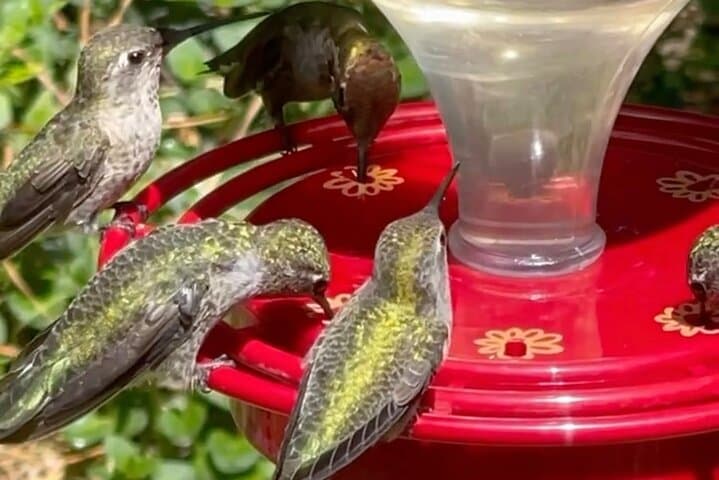
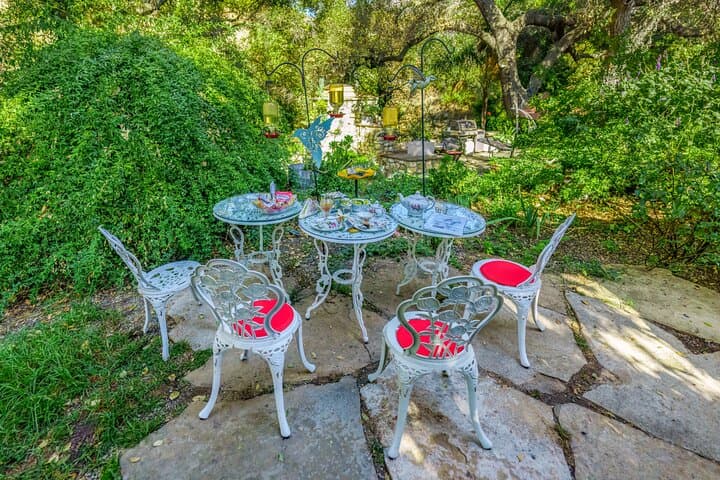
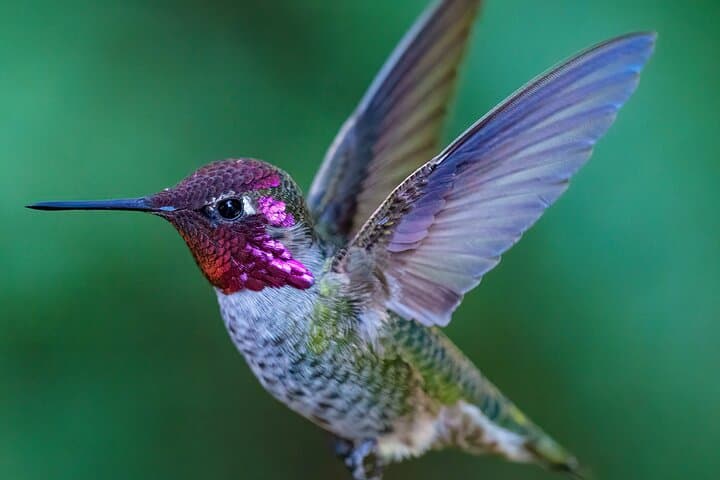
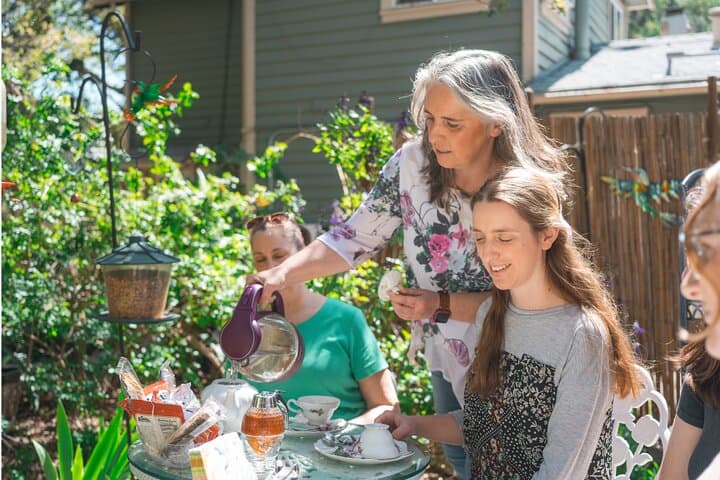
Sunlight filters through live oaks as the creek murmurs nearby; tiny bodies flash emerald and ruby, hovering inches from a saucer of sugar water while you hold a warm cup. The hour at the Hummingbird Sanctuary is intimate and kinetic — birds zip, perch, and launch like living brushstrokes against a garden of feeders and native flowers.
Sunlight filters through live oaks as the creek murmurs nearby; tiny bodies flash emerald and ruby, hovering inches from a saucer of sugar water while you hold a warm cup. The hour at the Hummingbird Sanctuary is intimate and kinetic — birds zip, perch, and launch like living brushstrokes against a garden of feeders and native flowers.
The property sits in a region shaped by coastal terraces and remnant oak woodlands, a landscape that has supported hummingbirds for millennia. California’s hummingbird species adapted to riparian corridors and flowering shrubs; local stewards have cultivated gardens and feeder stations to support wintering and resident populations. Culturally, backyard bird-feeding has deep roots here, blending scientific interest with quiet hospitality — the sanctuary continues that tradition while offering interpretation on safe feeding and native plantings.
Expect close encounters ideal for photographers and curious first-timers: guided conversation about species ID, safe feeder practices, and tips for attracting hummingbirds to your yard. The environment is calm but lively; movement and flashes of color are constant companions.
Practical guidance: arrive with a telephoto-capable camera or steady binoculars, wear neutral clothing to avoid startling birds, and bring a light jacket for creekside breezes. The meeting is wheelchair accessible and low-impact physically, but patience is essential — hummingbirds set the pace. Plan for morning light for the best photography, limit strong perfumes, and follow staff guidance on feeder proximity. A short, contemplative hour here rewards patience with vivid behavior and actionable knowledge to create your own hummingbird-friendly space.