THE ADVENTURE COLLECTIVE® · Independent discovery and booking for outdoor travel

Spend an hour among highland tea terraces in Ella: pick leaves by hand, observe the tea-making process and sample fresh Ceylon tea from a mountaintop Sky Café. Ideal for travelers wanting a short, sensory immersion into Sri Lanka’s tea culture.
Spend an hour among highland tea terraces in Ella: pick leaves by hand, observe the tea-making process and sample fresh Ceylon tea from a mountaintop Sky Café. Ideal for travelers wanting a short, sensory immersion into Sri Lanka’s tea culture.
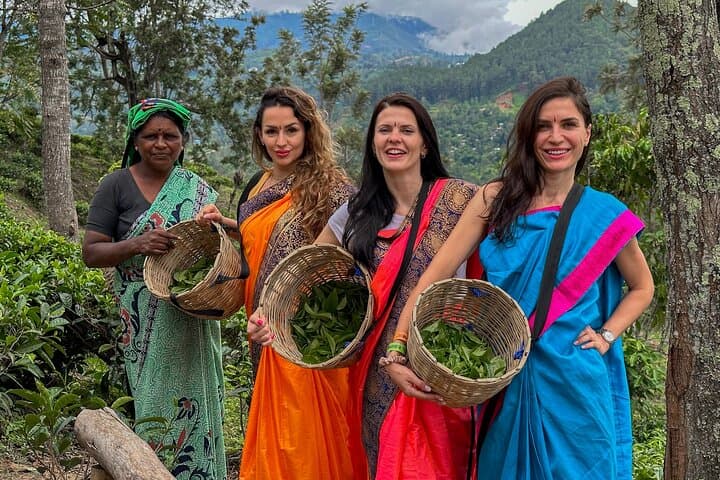
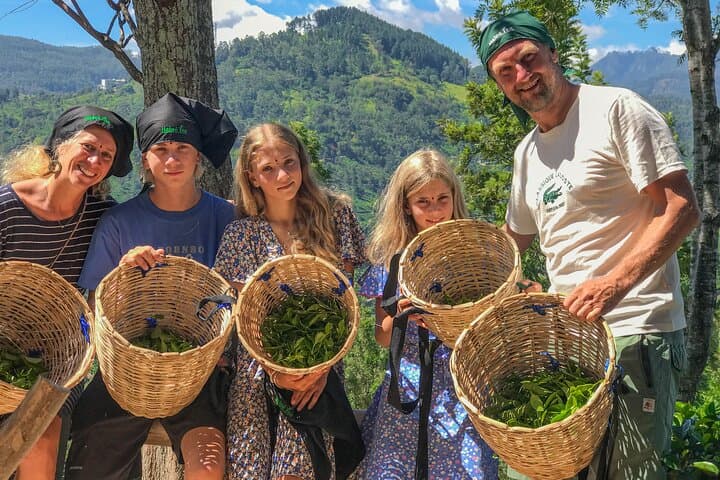
You step off a narrow dirt lane and the hill opens: terraces of glossy green leaves roll away, a tea plucker’s basket bobbing like a small moon on a distant shoulder. Morning mist clings to ridgelines at 1,300 m above sea level and the Sky Café perches above it all, a vantage that turns routine tea rows into a living panorama.
Verified experiences and guided adventures in the surrounding area.
Operated by Halpewatte Tea Factory · Ella, Uva Province
You step off a narrow dirt lane and the hill opens: terraces of glossy green leaves roll away, a tea plucker’s basket bobbing like a small moon on a distant shoulder. Morning mist clings to ridgelines at 1,300 m above sea level and the Sky Café perches above it all, a vantage that turns routine tea rows into a living panorama.
The central highlands of Sri Lanka became a tea frontier in the 19th century when British planters transformed montane forests into Ceylon tea estates. The soil here is weathered volcanic rock—steep, well-drained slopes that force roots deep and concentrate flavor in the leaves. Local culture still orients around the factory: a small kovil for Ganesh blessings, workers’ rows of color, and the steady clack of withering machines that finish the crop.
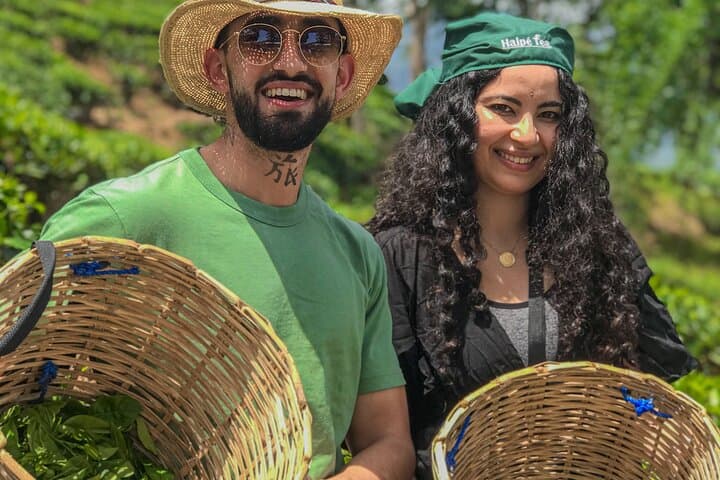
On this 40–60 minute tour you’ll pick leaves with a mottu and basket, watch withering, rolling and drying, then cup finished grades at the tasting table. The experience balances fieldwork and interpretation—expect hands-on plucking, clear explanations of grades, and a chance to buy fresh black teas.
Practical guide: wear closed-toe shoes and a sunhat, bring water and layered clothing for sudden mountain drizzle, and plan morning visits for the clearest views. Respect workers’ space and follow guidance during the ritual at the plantation kovil. Public transport reaches Ella and the site is accessible by tuk-tuk; tours run 8:00–16:30 with cancellations possible in heavy rain. This is an easy, sensory way to read the landscape through one of Sri Lanka’s defining crops.
moderate.
40–60 minutes.
Moderate fitness needed for short hikes among uneven terraces and standing during demonstrations
Tours run about 40–60 minutes, with operating hours roughly 8:00–16:30; bookings are typically for a single one-hour slot.
Yes—guests are expected to take part in the tea-picking session and are provided a basket and mottu.
The tour requires moderate fitness; it’s not recommended for pregnant guests or those with significant back or heart problems.
Yes, finished Ceylon teas are usually available for purchase at the factory or Sky Café after tasting.
Tea plantations in the central highlands expanded under British colonial rule in the 19th century and remain central to Sri Lanka’s economy and cultural landscape.
Many estates practice soil-conservation and shade management; visitors should stick to paths, avoid litter, and support estate-sold teas to benefit local communities.
Halpewatte Tea Factory operates guided outdoor trips and adventures with an emphasis on safety, stewardship, and memorable experiences.

You step off a narrow dirt lane and the hill opens: terraces of glossy green leaves roll away, a tea plucker’s basket bobbing like a small moon on a distant shoulder. Morning mist clings to ridgelines at 1,300 m above sea level and the Sky Café perches above it all, a vantage that turns routine tea rows into a living panorama.
You step off a narrow dirt lane and the hill opens: terraces of glossy green leaves roll away, a tea plucker’s basket bobbing like a small moon on a distant shoulder. Morning mist clings to ridgelines at 1,300 m above sea level and the Sky Café perches above it all, a vantage that turns routine tea rows into a living panorama.
The central highlands of Sri Lanka became a tea frontier in the 19th century when British planters transformed montane forests into Ceylon tea estates. The soil here is weathered volcanic rock—steep, well-drained slopes that force roots deep and concentrate flavor in the leaves. Local culture still orients around the factory: a small kovil for Ganesh blessings, workers’ rows of color, and the steady clack of withering machines that finish the crop.
On this 40–60 minute tour you’ll pick leaves with a mottu and basket, watch withering, rolling and drying, then cup finished grades at the tasting table. The experience balances fieldwork and interpretation—expect hands-on plucking, clear explanations of grades, and a chance to buy fresh black teas.
Practical guide: wear closed-toe shoes and a sunhat, bring water and layered clothing for sudden mountain drizzle, and plan morning visits for the clearest views. Respect workers’ space and follow guidance during the ritual at the plantation kovil. Public transport reaches Ella and the site is accessible by tuk-tuk; tours run 8:00–16:30 with cancellations possible in heavy rain. This is an easy, sensory way to read the landscape through one of Sri Lanka’s defining crops.