THE ADVENTURE COLLECTIVE® · Independent discovery and booking for outdoor travel

Walk the floors of a working tea factory near Galle, taste fresh brews and visit nearby estates cultivated by smallholders. This three-hour visit reveals how leaf becomes cup and offers direct access to fresh tea purchases.
Walk the floors of a working tea factory near Galle, taste fresh brews and visit nearby estates cultivated by smallholders. This three-hour visit reveals how leaf becomes cup and offers direct access to fresh tea purchases.
You step out of the van onto a sun-warmed concrete yard, and the air is already green—sharp with crushed leaves and the distant sweetness of drying tea. Workers move with practiced rhythm around low machinery; steam threads up and disappears into the humid Sri Lankan sky. The factory is less a museum and more a working organism, where withered leaves change color, roll, and release the aroma that will define a morning for someone far away.
Verified experiences and guided adventures in the surrounding area.
Operated by Suduhansa Tours · Pitigala, Southern Province
You step out of the van onto a sun-warmed concrete yard, and the air is already green—sharp with crushed leaves and the distant sweetness of drying tea. Workers move with practiced rhythm around low machinery; steam threads up and disappears into the humid Sri Lankan sky. The factory is less a museum and more a working organism, where withered leaves change color, roll, and release the aroma that will define a morning for someone far away.
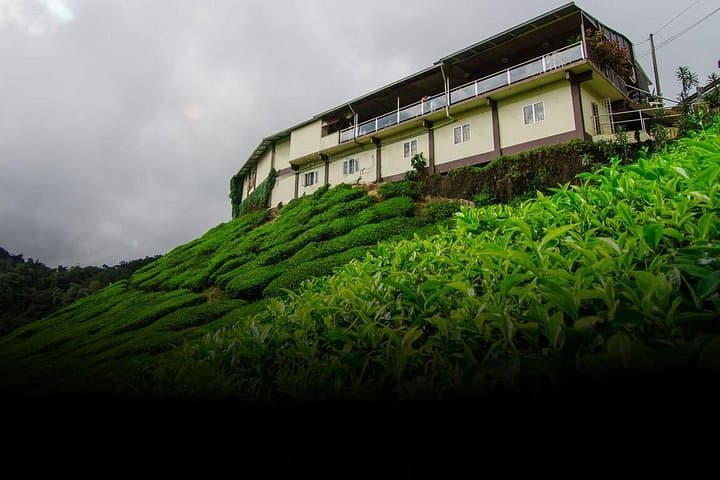
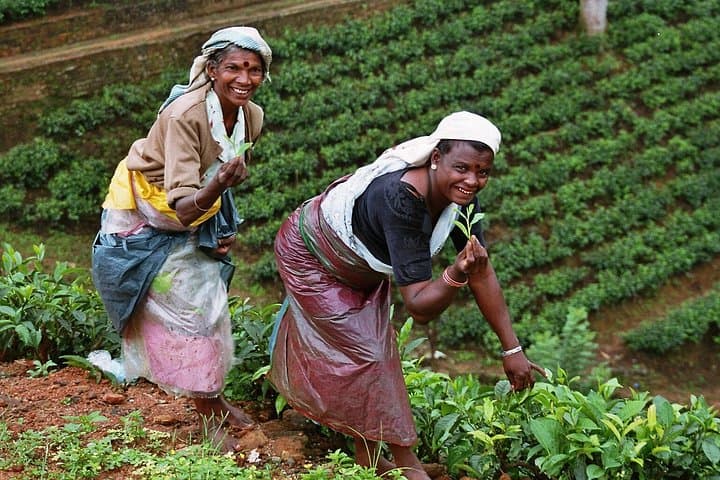
The Galle district's tea country grew from British colonial plantations in the 19th century, but much of today's leaf comes from smallholders who tend pocket-sized estates on gentle slopes. Geologically, the area sits on weathered uplands of the southwestern wet zone—red soils with good drainage that give tea its bright, brisk character.
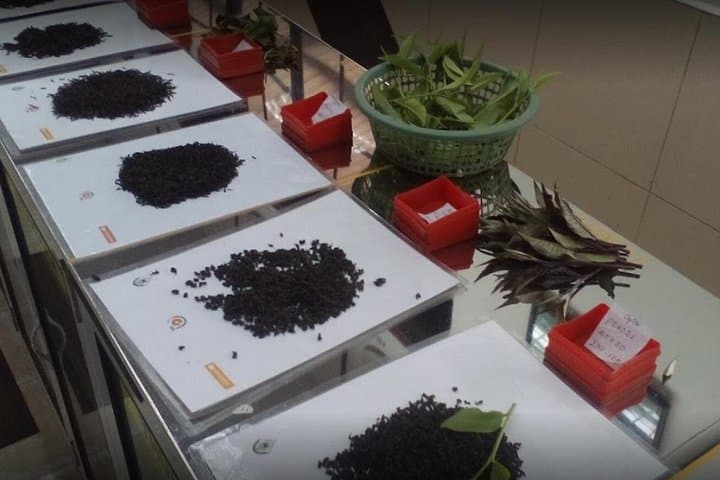
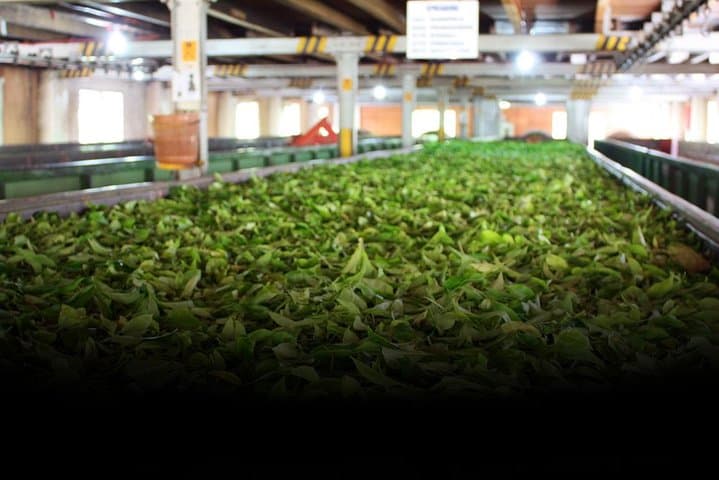
Culturally, a factory tour is practical theater: watch withering troughs, the rolling room, oxidation tables, and hot-air dryers; taste straight from the source and talk with growers when available. Tea buying supports local households—packaged goods at the factory are often fresher and more affordable than tourist shops.
Practical guidance: expect about three hours including a short plantation drive in an open car or tuk‑tuk. Footing is firm but can be wet after rains; wear closed shoes. Bring drinking water, small change for purchases, and a light rain layer during the southwest monsoon. Tours are accessible for most visitors and are an easy introduction to Sri Lankan tea production—no technical skills required, only curiosity and a willingness to follow the factory's safety areas.
easy.
2–3 hours.
Suitable for most fitness levels; involves short walks on flat factory floors and gentle plantation paths.
The standard visit runs about three hours and typically includes a factory walkthrough, tasting, and a short drive through nearby tea estates.
Yes—factories often sell freshly processed tea and packaged leaves; smallholders’ produce may be available at modest prices.
The experience is generally accessible—factory areas are described as wheelchair/stroller accessible in many facilities, but check with the operator for specific mobility needs.
No—tours are designed for visitors of all backgrounds and explain steps like withering, rolling, oxidation, and drying in straightforward terms.
Tea agriculture expanded in the Galle district under British colonial planting in the 1800s; later, smallholder schemes reshaped production into the patchwork of family plots seen today.
Many estates are working with smallholders to maintain soil health and reduce chemical use; visitors can support sustainable practices by buying direct and avoiding single-use plastics.
Suduhansa Tours operates guided outdoor trips and adventures with an emphasis on safety, stewardship, and memorable experiences.
You step out of the van onto a sun-warmed concrete yard, and the air is already green—sharp with crushed leaves and the distant sweetness of drying tea. Workers move with practiced rhythm around low machinery; steam threads up and disappears into the humid Sri Lankan sky. The factory is less a museum and more a working organism, where withered leaves change color, roll, and release the aroma that will define a morning for someone far away.
You step out of the van onto a sun-warmed concrete yard, and the air is already green—sharp with crushed leaves and the distant sweetness of drying tea. Workers move with practiced rhythm around low machinery; steam threads up and disappears into the humid Sri Lankan sky. The factory is less a museum and more a working organism, where withered leaves change color, roll, and release the aroma that will define a morning for someone far away.
The Galle district's tea country grew from British colonial plantations in the 19th century, but much of today's leaf comes from smallholders who tend pocket-sized estates on gentle slopes. Geologically, the area sits on weathered uplands of the southwestern wet zone—red soils with good drainage that give tea its bright, brisk character.
Culturally, a factory tour is practical theater: watch withering troughs, the rolling room, oxidation tables, and hot-air dryers; taste straight from the source and talk with growers when available. Tea buying supports local households—packaged goods at the factory are often fresher and more affordable than tourist shops.
Practical guidance: expect about three hours including a short plantation drive in an open car or tuk‑tuk. Footing is firm but can be wet after rains; wear closed shoes. Bring drinking water, small change for purchases, and a light rain layer during the southwest monsoon. Tours are accessible for most visitors and are an easy introduction to Sri Lankan tea production—no technical skills required, only curiosity and a willingness to follow the factory's safety areas.