THE ADVENTURE COLLECTIVE® · Independent discovery and booking for outdoor travel

Spend an illuminated evening at Te Puia: a pōhiri and cultural performance, a communal hāngī buffet, then hot chocolate beside the southern hemisphere’s largest active geyser. Practical advice helps you arrive prepared for wet boardwalks, cultural etiquette, and geothermal spectacle.
Spend an illuminated evening at Te Puia: a pōhiri and cultural performance, a communal hāngī buffet, then hot chocolate beside the southern hemisphere’s largest active geyser. Practical advice helps you arrive prepared for wet boardwalks, cultural etiquette, and geothermal spectacle.
Dusk slides over Whakarewarewa and the thermal valley takes on a different voice: steam rising in lamps’ light, the scent of earth-cooked kai drifting across the terrace, and a crowd drawn close to the glow of Pōhutu Geyser. The Te Pō evening experience places you inside that moment—an hour of storytelling and waiata, then a communal hāngī buffet, finishing beside the moonlit geyser with hot chocolate in hand.
Verified experiences and guided adventures in the surrounding area.
Operated by Te Puia · Rotorua, Bay of Plenty
Dusk slides over Whakarewarewa and the thermal valley takes on a different voice: steam rising in lamps’ light, the scent of earth-cooked kai drifting across the terrace, and a crowd drawn close to the glow of Pōhutu Geyser. The Te Pō evening experience places you inside that moment—an hour of storytelling and waiata, then a communal hāngī buffet, finishing beside the moonlit geyser with hot chocolate in hand.
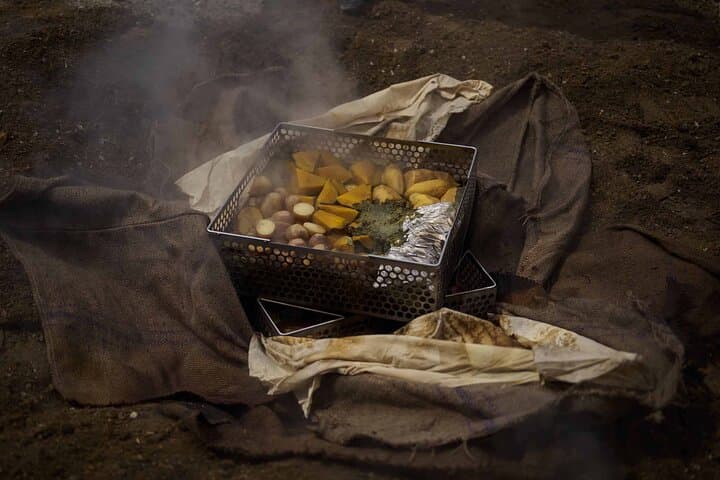
Te Puia sits on land long cared for by Tūhourangi and Ngāti Whakaue hapū and hosts the New Zealand Māori Arts and Crafts Institute. The valley’s geology is active rhyolitic volcanic terrain; boiling pools and fumaroles reflect a landscape shaped by tectonic heat and centuries of Māori practice—especially the traditional hāngī, where food is slow-cooked in heated earth.
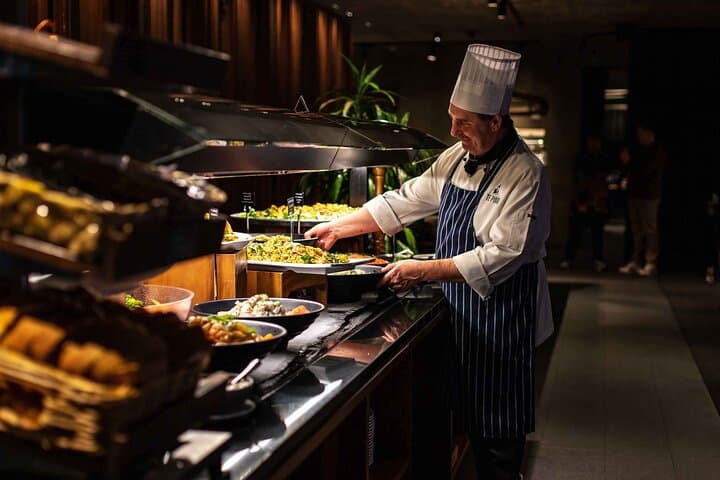
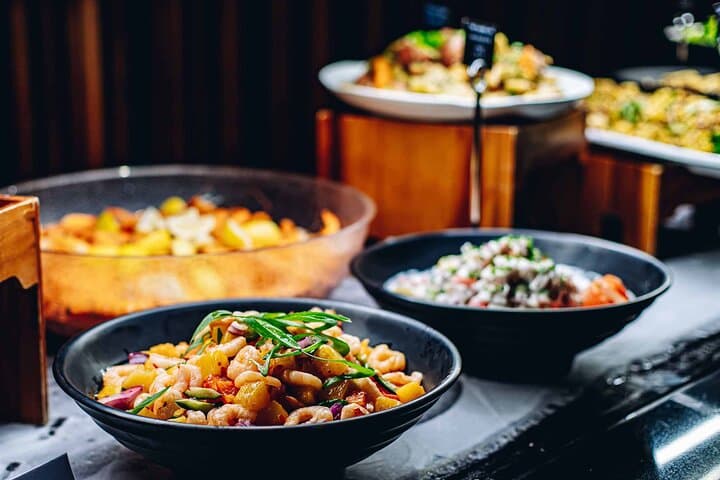
Cultural performance centers the night: a pōhiri welcome, mōteatea, poi, and haka performed in Te Aronui a Rua, a carved meeting house whose patterns tell whakapapa. The hāngī buffet showcases locally sourced produce and kai moana, and the final walk to Pōhutu offers close-up geothermal theatre under lights.
Practical notes: the program runs about 2–3 hours—check whether the order changes in summer. Wear sturdy, non-slip shoes for wet boardwalks and a warm waterproof layer for the terrace; evenings can be cold and steamy. Respect cultural protocols—follow performer guidance, avoid flash photography during ceremonies, and stay on paths to protect fragile geothermal features. Book ahead for weekend nights and arrive 15–20 minutes early to orient yourself and enjoy the valley as it shifts from day to night.
easy.
2–3 hours.
Suitable for all fitness levels; requires short periods of standing and easy walking over boardwalks.
Yes—Te Pō is designed for all ages; routes are accessible and the experience is described as physically easy, though children should be supervised near hot features.
The buffet features a range of meats, seafood and vegetables—notify at booking of specific dietary needs so staff can advise or accommodate where possible.
Te Puia is a short drive from central Rotorua with parking and nearby public transport options; check arrival instructions on your booking confirmation for specifics.
Pōhutu is the largest active geyser in the southern hemisphere and typically erupts multiple times daily, but exact timing can vary—lighting at night enhances visibility even between eruptions.
Te Puia connects Māori cultural practice with geothermal stewardship and houses the NZ Māori Arts and Crafts Institute, founded to preserve carving and weaving traditions.
The geothermal valley is ecologically and culturally sensitive—stay on boardwalks, avoid taking geothermal material, and choose operators that support local Māori enterprises.
Te Puia operates guided outdoor trips and adventures with an emphasis on safety, stewardship, and memorable experiences.
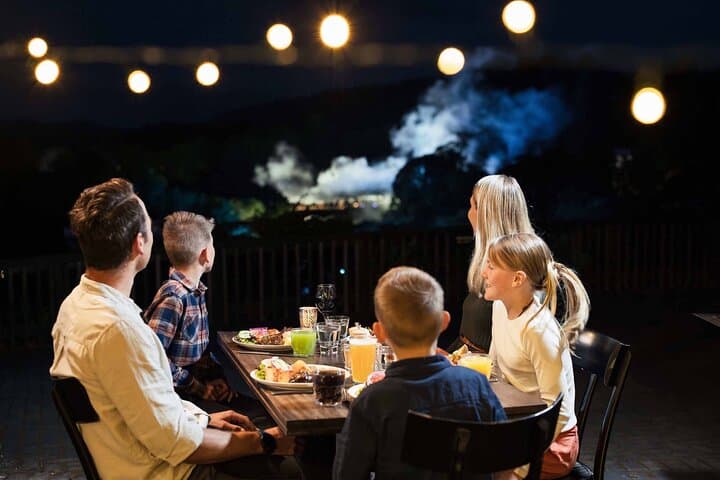
Dusk slides over Whakarewarewa and the thermal valley takes on a different voice: steam rising in lamps’ light, the scent of earth-cooked kai drifting across the terrace, and a crowd drawn close to the glow of Pōhutu Geyser. The Te Pō evening experience places you inside that moment—an hour of storytelling and waiata, then a communal hāngī buffet, finishing beside the moonlit geyser with hot chocolate in hand.
Dusk slides over Whakarewarewa and the thermal valley takes on a different voice: steam rising in lamps’ light, the scent of earth-cooked kai drifting across the terrace, and a crowd drawn close to the glow of Pōhutu Geyser. The Te Pō evening experience places you inside that moment—an hour of storytelling and waiata, then a communal hāngī buffet, finishing beside the moonlit geyser with hot chocolate in hand.
Te Puia sits on land long cared for by Tūhourangi and Ngāti Whakaue hapū and hosts the New Zealand Māori Arts and Crafts Institute. The valley’s geology is active rhyolitic volcanic terrain; boiling pools and fumaroles reflect a landscape shaped by tectonic heat and centuries of Māori practice—especially the traditional hāngī, where food is slow-cooked in heated earth.
Cultural performance centers the night: a pōhiri welcome, mōteatea, poi, and haka performed in Te Aronui a Rua, a carved meeting house whose patterns tell whakapapa. The hāngī buffet showcases locally sourced produce and kai moana, and the final walk to Pōhutu offers close-up geothermal theatre under lights.
Practical notes: the program runs about 2–3 hours—check whether the order changes in summer. Wear sturdy, non-slip shoes for wet boardwalks and a warm waterproof layer for the terrace; evenings can be cold and steamy. Respect cultural protocols—follow performer guidance, avoid flash photography during ceremonies, and stay on paths to protect fragile geothermal features. Book ahead for weekend nights and arrive 15–20 minutes early to orient yourself and enjoy the valley as it shifts from day to night.