THE ADVENTURE COLLECTIVE® · Independent discovery and booking for outdoor travel

A long day trip from Tbilisi that pairs the high, luminous sweep of Lake Sevan with the cliffside monasteries of Haghpat. Expect UNESCO-caliber stonework, highland panoramas, and a full day of guided exploration across the Armenia–Georgia border.
A long day trip from Tbilisi that pairs the high, luminous sweep of Lake Sevan with the cliffside monasteries of Haghpat. Expect UNESCO-caliber stonework, highland panoramas, and a full day of guided exploration across the Armenia–Georgia border.
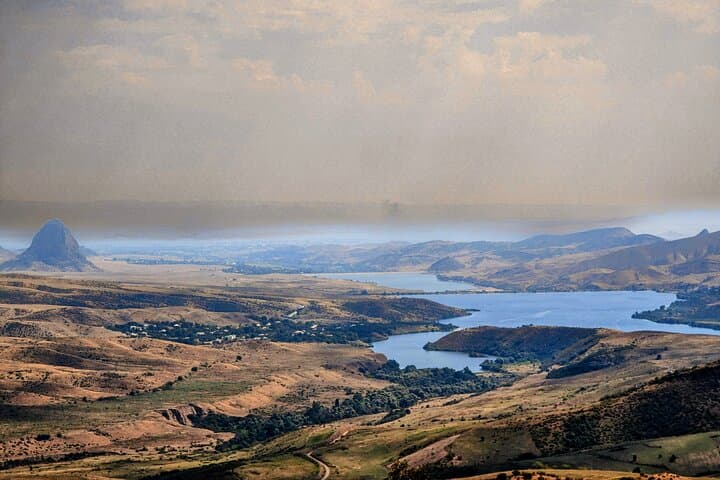
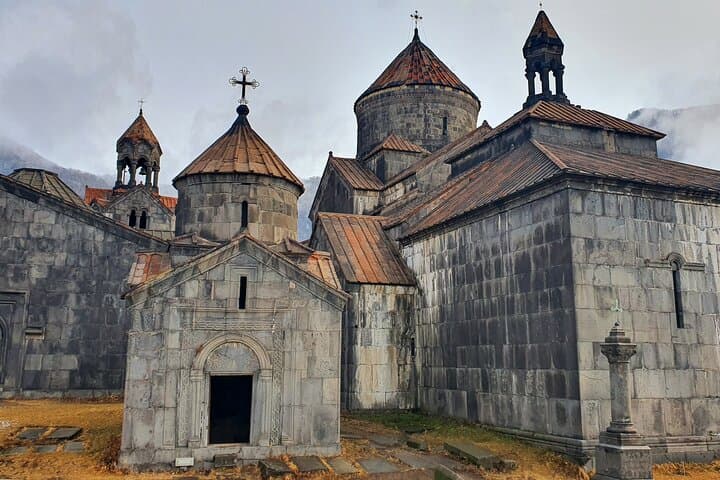
The minivan hums along the Georgian highway as the highlands of Armenia rise like a stone-drawn curtain. By midmorning you stand on the low cliff above Lake Sevan; the water throws back light and the Sevanavank churches perch like sentries, their stones warmed by a dry mountain sun. Later, a narrow road carves into the Debed River gorge and Haghpat appears — compact, weathered, and stubborn against the slope.
Verified experiences and guided adventures in the surrounding area.
Operated by Wonderful Travel · Sevan, Gegharkunik
The minivan hums along the Georgian highway as the highlands of Armenia rise like a stone-drawn curtain. By midmorning you stand on the low cliff above Lake Sevan; the water throws back light and the Sevanavank churches perch like sentries, their stones warmed by a dry mountain sun. Later, a narrow road carves into the Debed River gorge and Haghpat appears — compact, weathered, and stubborn against the slope.
These sites trace Armenia’s medieval spine: Sevanavank dates to the 9th century and became a center for monastic life at nearly 2,000 meters elevation, while Haghpat (UNESCO) preserves 10th–13th century stonework and fresco fragments shaped by Caucasian tectonics and centuries of pilgrims. The region’s geology—ancient volcanic plateaus and deep river-cut gorges—frames panopticons where eagles ride thermals and the air feels thin and clean.
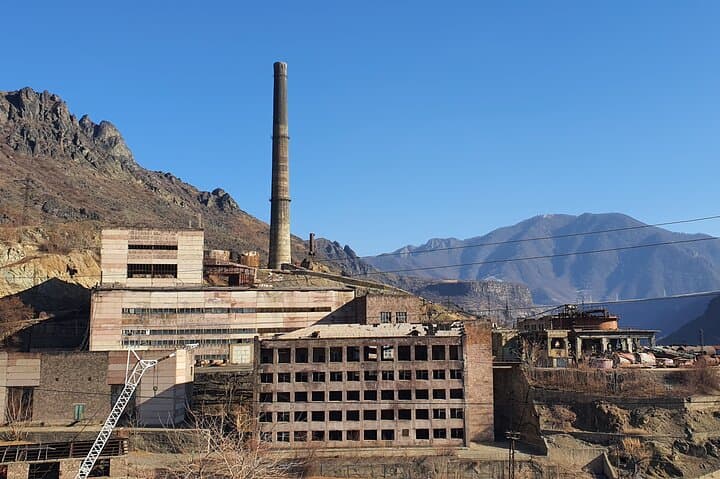
Expect guided walks on uneven stone steps and short climbs between viewpoints; both monasteries require modest mobility but uneven terrain. Guides will interweave architecture, Soviet-era history, and local culinary notes — you’ll likely stop for lunch and try Armenian brandy if offered.
Practical tips: carry passport and any visa documents for the border crossing; start early to avoid bottlenecks and to catch softer light at Sevan; bring layered clothing for a rapid temperature swing between lake and gorge. Footwear with grip, sun protection, and a small daypack will make the day smooth.
This is a long, full day of cultural peaks and highland scenery: travel rich in history, geology, and the steady rhythm of rural Armenian life.
easy.
11–14 hours.
Suitable for most fitness levels; expect short uphill walks and uneven surfaces.
Visa requirements depend on your nationality—check current entry rules before travel and always carry your passport; the operator will advise on border procedures.
Yes—this moderate-paced private tour accommodates a wide range of ages, but there are stone steps and short climbs at sites that may be difficult for those with limited mobility.
Lunch and bottled water are included; alcoholic beverages like Armenian brandy may be offered but are sometimes extra or optional.
Access is limited: the historic complexes sit on uneven terrain and have steps, though some viewpoints and parking areas are accessible—confirm specifics with the operator before booking.
Haghpat and Sevanavank reflect Armenia’s medieval monastic tradition; Haghpat is a UNESCO World Heritage site with architecture from the 10th–13th centuries.
Lake Sevan has faced water-level and ecological pressures; visitors are encouraged to follow leave-no-trace principles and respect protected sites.
Wonderful Travel operates guided outdoor trips and adventures with an emphasis on safety, stewardship, and memorable experiences.
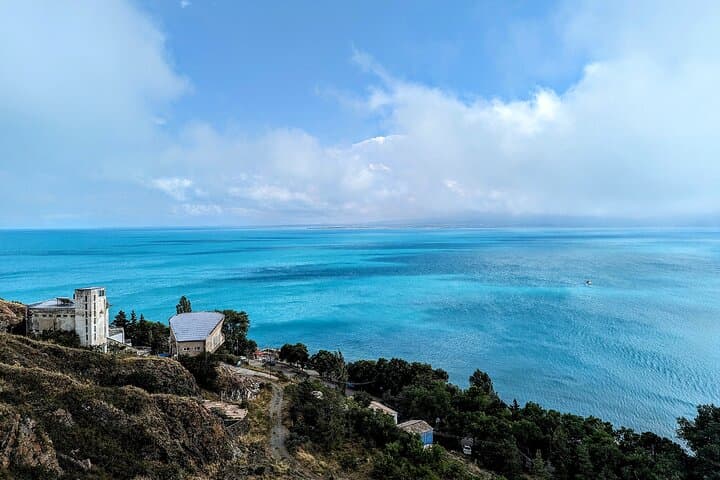
The minivan hums along the Georgian highway as the highlands of Armenia rise like a stone-drawn curtain. By midmorning you stand on the low cliff above Lake Sevan; the water throws back light and the Sevanavank churches perch like sentries, their stones warmed by a dry mountain sun. Later, a narrow road carves into the Debed River gorge and Haghpat appears — compact, weathered, and stubborn against the slope.
The minivan hums along the Georgian highway as the highlands of Armenia rise like a stone-drawn curtain. By midmorning you stand on the low cliff above Lake Sevan; the water throws back light and the Sevanavank churches perch like sentries, their stones warmed by a dry mountain sun. Later, a narrow road carves into the Debed River gorge and Haghpat appears — compact, weathered, and stubborn against the slope.
These sites trace Armenia’s medieval spine: Sevanavank dates to the 9th century and became a center for monastic life at nearly 2,000 meters elevation, while Haghpat (UNESCO) preserves 10th–13th century stonework and fresco fragments shaped by Caucasian tectonics and centuries of pilgrims. The region’s geology—ancient volcanic plateaus and deep river-cut gorges—frames panopticons where eagles ride thermals and the air feels thin and clean.
Expect guided walks on uneven stone steps and short climbs between viewpoints; both monasteries require modest mobility but uneven terrain. Guides will interweave architecture, Soviet-era history, and local culinary notes — you’ll likely stop for lunch and try Armenian brandy if offered.
Practical tips: carry passport and any visa documents for the border crossing; start early to avoid bottlenecks and to catch softer light at Sevan; bring layered clothing for a rapid temperature swing between lake and gorge. Footwear with grip, sun protection, and a small daypack will make the day smooth.
This is a long, full day of cultural peaks and highland scenery: travel rich in history, geology, and the steady rhythm of rural Armenian life.