THE ADVENTURE COLLECTIVE® · Independent discovery and booking for outdoor travel

A 5–6 hour day trip from Tbilisi that links ancient rock-cut Uplistsikhe, Stalin’s birthplace in Gori, the cliff-top Jvari Monastery and the ornate Svetitskhoveli Cathedral in Mtskheta. Expect short walks on uneven stone, strong historical context, and sweeping river views.
A 5–6 hour day trip from Tbilisi that links ancient rock-cut Uplistsikhe, Stalin’s birthplace in Gori, the cliff-top Jvari Monastery and the ornate Svetitskhoveli Cathedral in Mtskheta. Expect short walks on uneven stone, strong historical context, and sweeping river views.
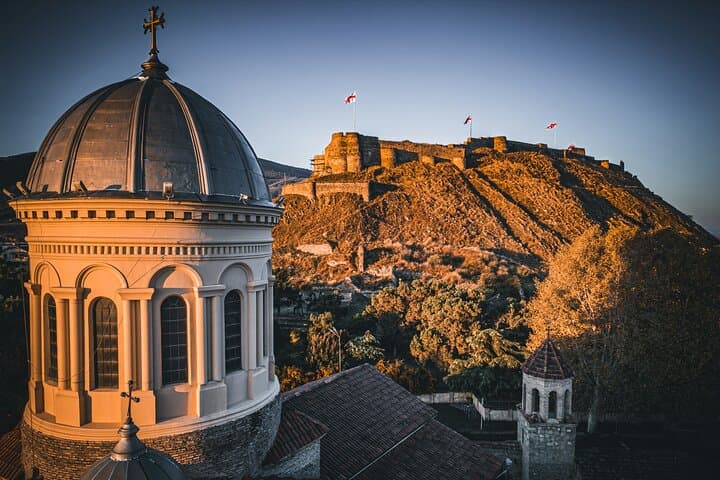
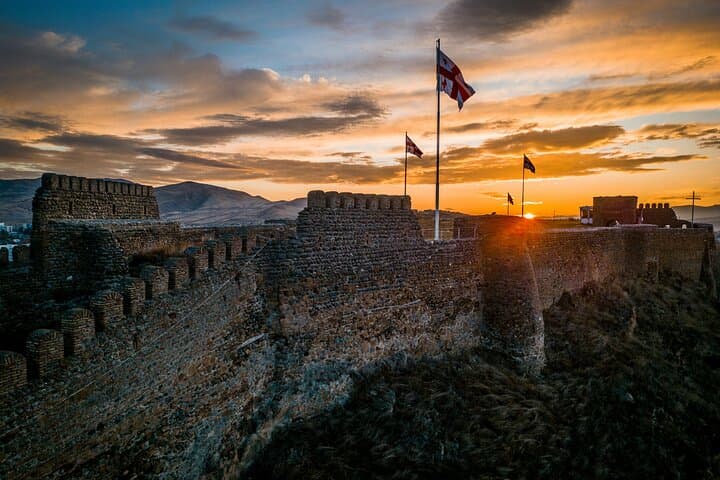
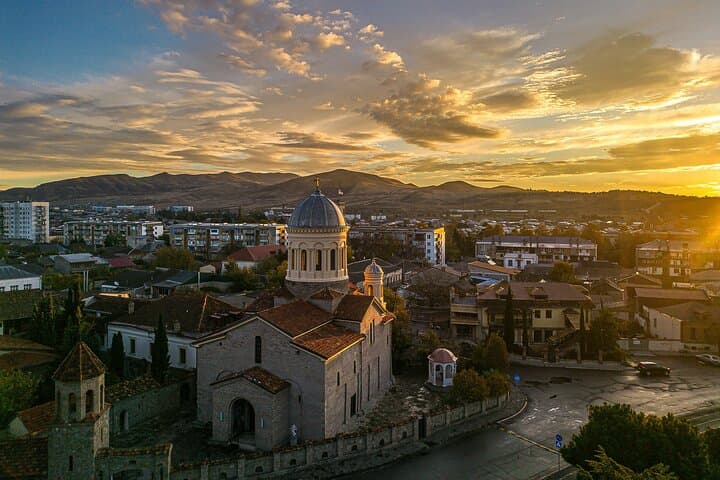
You step out of the minivan and the air smells of dust and cedar; the low hills around Gori hold the sun like a slow hand. The morning drive from Tbilisi unspools through wide valleys, the River Kura sliding alongside the road as if urging the vehicle west toward carved stone and medieval churches.
Verified experiences and guided adventures in the surrounding area.
Operated by TTG Travel To Geo · Tbilisi, Tbilisi
You step out of the minivan and the air smells of dust and cedar; the low hills around Gori hold the sun like a slow hand. The morning drive from Tbilisi unspools through wide valleys, the River Kura sliding alongside the road as if urging the vehicle west toward carved stone and medieval churches.
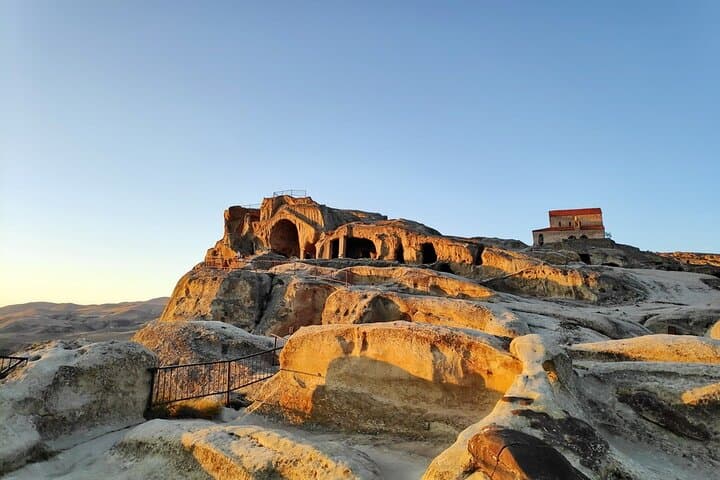
Uplistsikhe arrives first: a compact, multi‑layered rock town hewn into sandstone where streets become caves and stairways cut by generations. The site’s raw geology—soft volcanic tuff shaped by human hands—makes every cavern feel lived in. In Gori the Stalin Museum presents a different layer of history, a 20th‑century political portrait that contrasts sharply with the ancient silence of the rock city.
Later, Jvari Monastery crowns a ridge above Mtskheta; the 6th‑century cross‑plan church watches over the confluence of rivers and offers broad views that help explain why this corridor mattered for millennia. Svetitskhoveli Cathedral in Mtskheta closes the circuit with ornate stonework and centuries of pilgrimage weaving civic and sacred life together.
Practically, expect moderate walking on uneven stone, short stair climbs and brief roadside transfers—this is a 5–6 hour outing with multiple stops. Wear sturdy shoes, carry water, and plan for changing light and wind on exposed ridgelines. Guides commonly provide local context and handle logistics; admissions for museums are often separate, so have local currency on hand. The trip trades long hiking for concentrated cultural terrain: compact, tactile, and immediate.
moderate.
5–6 hours.
Moderate fitness; able to walk short distances, climb stairs and stand through short guided talks.
Most itineraries handle transport and guiding only; individual site admissions (museums, archaeological sites) are typically paid on arrival—bring local currency.
Yes—infant seats are available and the tour is family-friendly, but it involves stairs and some uneven terrain, so supervise young children closely.
Expect short walks of 10–20 minutes at each stop with stair climbs and uneven surfaces; the day includes several brief guided walks rather than long hikes.
Standard policy offers a full refund if canceled at least 24 hours before departure; last‑minute cancellations are generally non‑refundable.
Uplistsikhe dates to the late 2nd–early 1st millennium BC and shows continuous occupation into the medieval era; Mtskheta served as Georgia’s early religious capital and houses Svetitskhoveli, a key cathedral since the 11th century.
Sites are fragile—stick to marked paths, avoid touching delicate frescoes and carved walls, and follow guide instructions to reduce erosion and wear.
TTG Travel To Geo operates guided outdoor trips and adventures with an emphasis on safety, stewardship, and memorable experiences.
You step out of the minivan and the air smells of dust and cedar; the low hills around Gori hold the sun like a slow hand. The morning drive from Tbilisi unspools through wide valleys, the River Kura sliding alongside the road as if urging the vehicle west toward carved stone and medieval churches.
You step out of the minivan and the air smells of dust and cedar; the low hills around Gori hold the sun like a slow hand. The morning drive from Tbilisi unspools through wide valleys, the River Kura sliding alongside the road as if urging the vehicle west toward carved stone and medieval churches.
Uplistsikhe arrives first: a compact, multi‑layered rock town hewn into sandstone where streets become caves and stairways cut by generations. The site’s raw geology—soft volcanic tuff shaped by human hands—makes every cavern feel lived in. In Gori the Stalin Museum presents a different layer of history, a 20th‑century political portrait that contrasts sharply with the ancient silence of the rock city.
Later, Jvari Monastery crowns a ridge above Mtskheta; the 6th‑century cross‑plan church watches over the confluence of rivers and offers broad views that help explain why this corridor mattered for millennia. Svetitskhoveli Cathedral in Mtskheta closes the circuit with ornate stonework and centuries of pilgrimage weaving civic and sacred life together.
Practically, expect moderate walking on uneven stone, short stair climbs and brief roadside transfers—this is a 5–6 hour outing with multiple stops. Wear sturdy shoes, carry water, and plan for changing light and wind on exposed ridgelines. Guides commonly provide local context and handle logistics; admissions for museums are often separate, so have local currency on hand. The trip trades long hiking for concentrated cultural terrain: compact, tactile, and immediate.