THE ADVENTURE COLLECTIVE® · Independent discovery and booking for outdoor travel

Cover three of Armenia’s highlights in a single day from Tbilisi: forested Dilijan, the blue sweep of Lake Sevan and historic Yerevan. This practical guide previews what to expect—history, terrain, and essential planning tips for a smooth cross-border day trip.
Cover three of Armenia’s highlights in a single day from Tbilisi: forested Dilijan, the blue sweep of Lake Sevan and historic Yerevan. This practical guide previews what to expect—history, terrain, and essential planning tips for a smooth cross-border day trip.
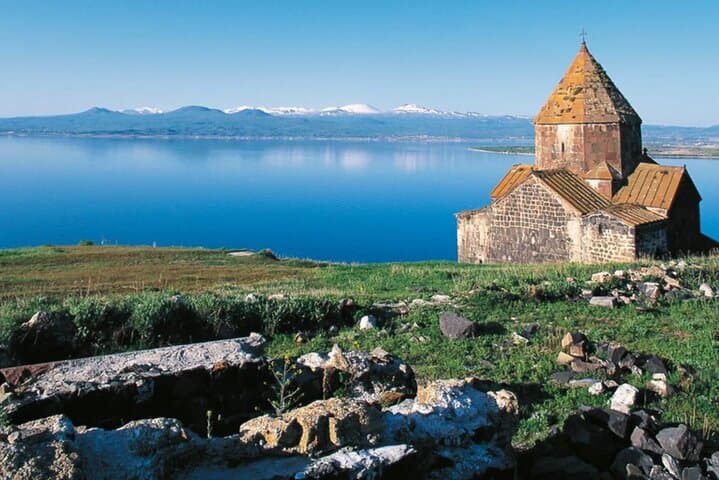
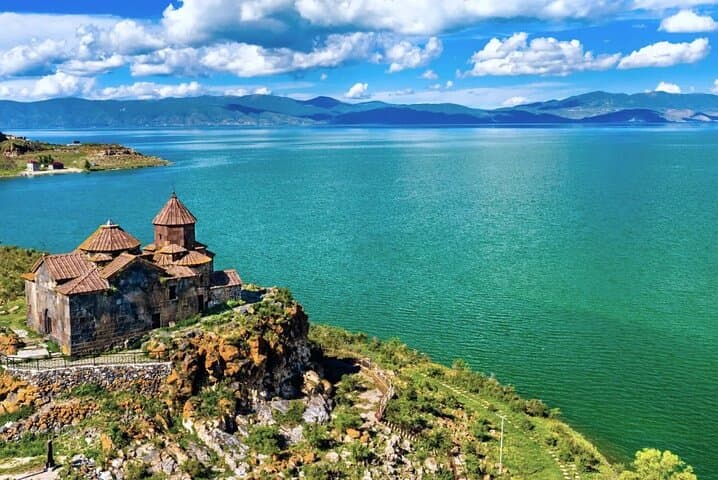
You step out of Tbilisi’s morning bustle into a cool coach that hums toward the Armenian border — windows framing a mosaic of foothills and grazing fields. The road climbs; the air sharpens. By midmorning you’re in Dilijan’s pine-streaked hills where the forest seems to breathe around Haghartsin Monastery, its stonework quiet and patient. Later, Lake Sevan opens like a cut of sky laid against the mountains, its waters daring you to pause. The day finishes in Yerevan, where Soviet-era blocks meet lively plazas and an unexpected modern café scene.
Verified experiences and guided adventures in the surrounding area.
Operated by Irina Kartvelishvili · Tbilisi, Tbilisi
You step out of Tbilisi’s morning bustle into a cool coach that hums toward the Armenian border — windows framing a mosaic of foothills and grazing fields. The road climbs; the air sharpens. By midmorning you’re in Dilijan’s pine-streaked hills where the forest seems to breathe around Haghartsin Monastery, its stonework quiet and patient. Later, Lake Sevan opens like a cut of sky laid against the mountains, its waters daring you to pause. The day finishes in Yerevan, where Soviet-era blocks meet lively plazas and an unexpected modern café scene.
This route threads through distinct histories: medieval monasteries founded in the 9th–13th centuries, centuries of Armenian craftsmanship, and a geology of volcanic highlands and an expansive freshwater basin at 1,900 meters. Dilijan’s forests owe their character to mixed conifer stands and volcanic soils; Sevan’s shoreline is shaped by tectonic uplift and long-term human water management. Culturally, expect simple hospitality — monastery bells, lakeside fish cafés, and city markets in Yerevan where dried fruits sell alongside local cognac.
Practically: passport and any required visas are essential; expect multiple short stops for photos and a midday restaurant break. Terrain underfoot is mostly paved or well-kept paths but can be uneven at monastery sites. Bring layers for high-altitude wind, sun protection for the exposed Sevan shore, and cash for small purchases. The pace is ambitious — plan for a full day of travel and moderate walking; the reward is concentrated access to Armenia’s nature and history without overnight logistics.
easy.
9–10 hours.
Suitable for travelers of average fitness; requires standing and short walks at historic sites.
Visa requirements depend on your nationality—check current Georgia and Armenia entry rules before booking and carry passport and any necessary permits.
Walking is limited to short on-foot visits at monasteries, viewpoints and the lakeshore; expect 30–60 minutes of light walking at several stops.
Lunch is not included; the tour stops at a local restaurant where you can buy a meal—cash and local currency are useful.
The tour is generally suitable for most travelers but some sites have uneven steps and terrain; contact the operator beforehand to discuss accessibility needs.
The stops span Armenia’s medieval Christian heritage—Sevanavank dates to the 9th century while Haghartsin reflects 13th-century monastic architecture set in forested highlands.
Lake Sevan’s water level has fluctuated due to historic irrigation and hydropower projects; visitors are encouraged to follow ‘leave no trace’ practices and support local conservation efforts.
Irina Kartvelishvili operates guided outdoor trips and adventures with an emphasis on safety, stewardship, and memorable experiences.


You step out of Tbilisi’s morning bustle into a cool coach that hums toward the Armenian border — windows framing a mosaic of foothills and grazing fields. The road climbs; the air sharpens. By midmorning you’re in Dilijan’s pine-streaked hills where the forest seems to breathe around Haghartsin Monastery, its stonework quiet and patient. Later, Lake Sevan opens like a cut of sky laid against the mountains, its waters daring you to pause. The day finishes in Yerevan, where Soviet-era blocks meet lively plazas and an unexpected modern café scene.
You step out of Tbilisi’s morning bustle into a cool coach that hums toward the Armenian border — windows framing a mosaic of foothills and grazing fields. The road climbs; the air sharpens. By midmorning you’re in Dilijan’s pine-streaked hills where the forest seems to breathe around Haghartsin Monastery, its stonework quiet and patient. Later, Lake Sevan opens like a cut of sky laid against the mountains, its waters daring you to pause. The day finishes in Yerevan, where Soviet-era blocks meet lively plazas and an unexpected modern café scene.
This route threads through distinct histories: medieval monasteries founded in the 9th–13th centuries, centuries of Armenian craftsmanship, and a geology of volcanic highlands and an expansive freshwater basin at 1,900 meters. Dilijan’s forests owe their character to mixed conifer stands and volcanic soils; Sevan’s shoreline is shaped by tectonic uplift and long-term human water management. Culturally, expect simple hospitality — monastery bells, lakeside fish cafés, and city markets in Yerevan where dried fruits sell alongside local cognac.
Practically: passport and any required visas are essential; expect multiple short stops for photos and a midday restaurant break. Terrain underfoot is mostly paved or well-kept paths but can be uneven at monastery sites. Bring layers for high-altitude wind, sun protection for the exposed Sevan shore, and cash for small purchases. The pace is ambitious — plan for a full day of travel and moderate walking; the reward is concentrated access to Armenia’s nature and history without overnight logistics.