THE ADVENTURE COLLECTIVE® · Independent discovery and booking for outdoor travel

Explore Tbilisi’s Old Town on a guided street-photography tour that moves from sulfur baths to hilltop panoramas. Learn local history and shooting tips while walking cobbled streets and capturing authentic urban scenes.
Explore Tbilisi’s Old Town on a guided street-photography tour that moves from sulfur baths to hilltop panoramas. Learn local history and shooting tips while walking cobbled streets and capturing authentic urban scenes.
You step off the minivan into the warm, hummed light of Tbilisi’s Old Town: narrow cobbles, pastel balconies tilted toward the river, and the low murmur of café conversations. Street vendors arrange trays of churchkhela; an old woman sweeps steps that have seen centuries of footsteps. The guide angles the route to fold the city’s layers into a single frame—from Abanotubani’s domed sulfur baths to the sculpted figures of the Chronicles of Georgia on a windswept ridge.
Verified experiences and guided adventures in the surrounding area.
Operated by Sunny Tours · Tbilisi, Tbilisi
You step off the minivan into the warm, hummed light of Tbilisi’s Old Town: narrow cobbles, pastel balconies tilted toward the river, and the low murmur of café conversations. Street vendors arrange trays of churchkhela; an old woman sweeps steps that have seen centuries of footsteps. The guide angles the route to fold the city’s layers into a single frame—from Abanotubani’s domed sulfur baths to the sculpted figures of the Chronicles of Georgia on a windswept ridge.
Tbilisi was shaped at the crossroads of empires and trade routes; a 5th-century founding legend links the city to King Vakhtang Gorgasali, and that history shows in fortified Narikala and Orthodox cathedrals like the Holy Trinity. Geologically, the city sits where the Kura River has carved terraces and thermal springs push mineral-rich waters to the surface—hence the bath quarter’s distinctive domes. Culture here is tactile: markets filled with dried fruit and spices, the tang of herbal tea, and cafés where conversations run late into the evening.
Practical guidance: expect 5–6 hours of mostly walking across uneven pavements and steps; the route includes viewpoints, a cable car ride option, and time in the sulfur bath quarter (entry not usually included). Bring a fast lens for narrow streets, a small tripod or monopod if you plan low-light shots, and a compact daypack for water and layers. Aim for early morning or late afternoon light to reduce crowds and soften contrasts. Stay aware of traffic on narrow lanes and keep small bills for vendors and tips—Tbilisi rewards curious eyes and steady feet.
easy.
5–6 hours.
Light walking fitness; able to stand and walk on cobblestones for several hours with short rests.
Most city tour itineraries include guided stops but not all attraction entry fees; sulfur bath entry and amusement-park rides are typically pay-on-site—confirm at booking.
Yes—this is a gentle walking tour suitable for families and older travelers, though expect cobbles and stairs that may be challenging for limited mobility.
Guiding language varies by operator; English-speaking guides are common but verify language availability when booking.
Private transportation is listed as included; pickups depend on your selected meeting point—provide arrival details during booking to confirm service.
Tbilisi’s core grew around thermal springs and a royal settlement linked by legend to King Vakhtang Gorgasali in the 5th century; successive empires have left visible layers in its architecture.
The city balances visitor demand with preservation of historic quarters—avoid leaving waste in public spaces, respect thermal-bath traditions, and support local businesses to help sustain conservation efforts.
Sunny Tours operates guided outdoor trips and adventures with an emphasis on safety, stewardship, and memorable experiences.


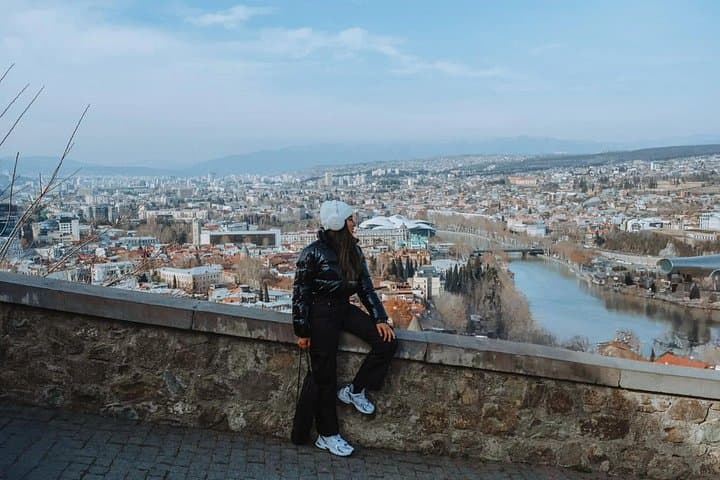
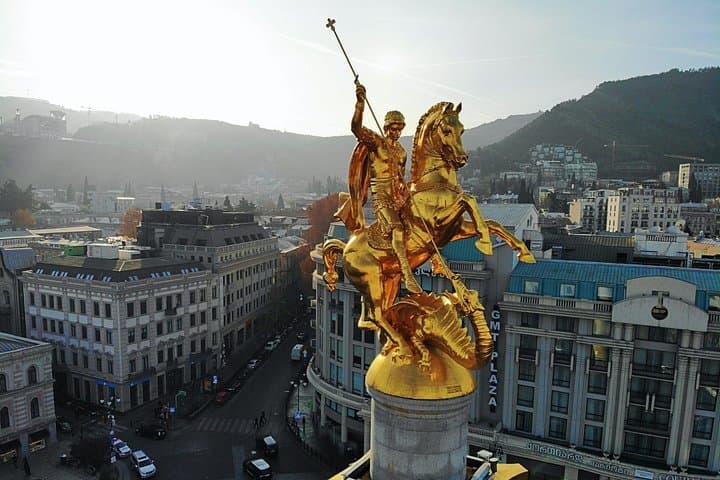
You step off the minivan into the warm, hummed light of Tbilisi’s Old Town: narrow cobbles, pastel balconies tilted toward the river, and the low murmur of café conversations. Street vendors arrange trays of churchkhela; an old woman sweeps steps that have seen centuries of footsteps. The guide angles the route to fold the city’s layers into a single frame—from Abanotubani’s domed sulfur baths to the sculpted figures of the Chronicles of Georgia on a windswept ridge.
You step off the minivan into the warm, hummed light of Tbilisi’s Old Town: narrow cobbles, pastel balconies tilted toward the river, and the low murmur of café conversations. Street vendors arrange trays of churchkhela; an old woman sweeps steps that have seen centuries of footsteps. The guide angles the route to fold the city’s layers into a single frame—from Abanotubani’s domed sulfur baths to the sculpted figures of the Chronicles of Georgia on a windswept ridge.
Tbilisi was shaped at the crossroads of empires and trade routes; a 5th-century founding legend links the city to King Vakhtang Gorgasali, and that history shows in fortified Narikala and Orthodox cathedrals like the Holy Trinity. Geologically, the city sits where the Kura River has carved terraces and thermal springs push mineral-rich waters to the surface—hence the bath quarter’s distinctive domes. Culture here is tactile: markets filled with dried fruit and spices, the tang of herbal tea, and cafés where conversations run late into the evening.
Practical guidance: expect 5–6 hours of mostly walking across uneven pavements and steps; the route includes viewpoints, a cable car ride option, and time in the sulfur bath quarter (entry not usually included). Bring a fast lens for narrow streets, a small tripod or monopod if you plan low-light shots, and a compact daypack for water and layers. Aim for early morning or late afternoon light to reduce crowds and soften contrasts. Stay aware of traffic on narrow lanes and keep small bills for vendors and tips—Tbilisi rewards curious eyes and steady feet.