THE ADVENTURE COLLECTIVE® · Independent discovery and booking for outdoor travel

Explore Tbilisi’s Old Town on a 3–5 hour guided walk that links Gabriadze Theater, Peace Bridge, Narikala Fortress and the historic sulfur baths, with a cellar wine tasting included. Perfect for first-time visitors who want history, city views and local stories in one compact route.
Explore Tbilisi’s Old Town on a 3–5 hour guided walk that links Gabriadze Theater, Peace Bridge, Narikala Fortress and the historic sulfur baths, with a cellar wine tasting included. Perfect for first-time visitors who want history, city views and local stories in one compact route.
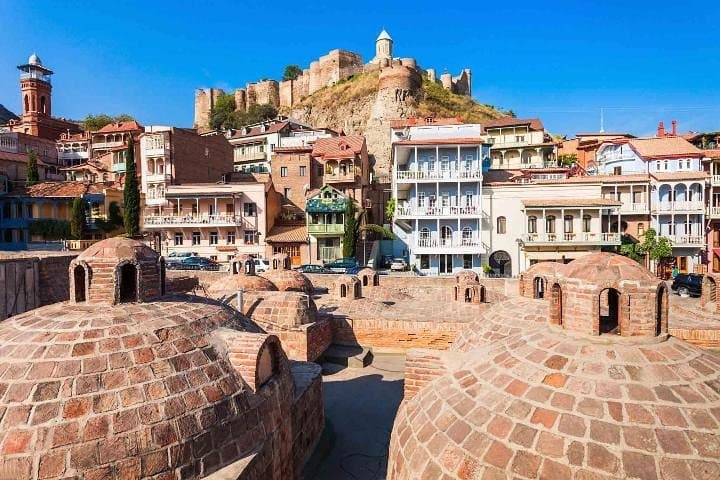
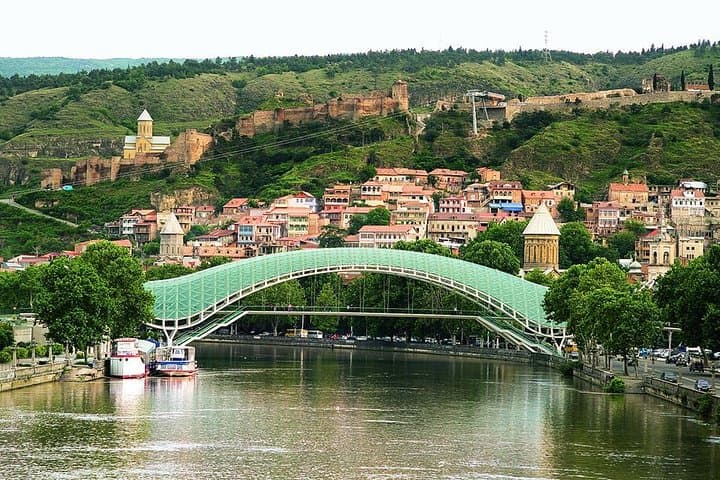
You step off Baratashvili Street and the city pulls you in—narrow stone lanes, the distant bell of Metechi Cathedral, and steam drifting from the sulfur baths like a dare to explore. The guide threads stories into the walk: puppet shows at Gabriadze, the arched steel of the Peace Bridge, and the climb by cable car to Narikala where the city spreads below like a living map.
Verified experiences and guided adventures in the surrounding area.
Operated by Profkurorti Ltd · Tbilisi, Tbilisi
You step off Baratashvili Street and the city pulls you in—narrow stone lanes, the distant bell of Metechi Cathedral, and steam drifting from the sulfur baths like a dare to explore. The guide threads stories into the walk: puppet shows at Gabriadze, the arched steel of the Peace Bridge, and the climb by cable car to Narikala where the city spreads below like a living map.
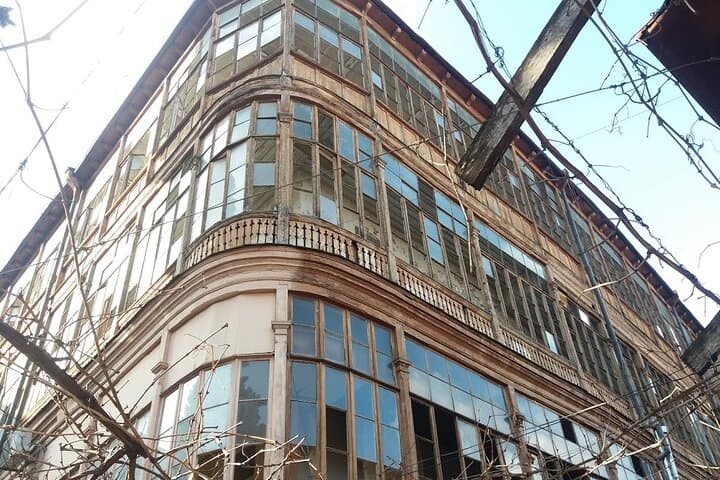
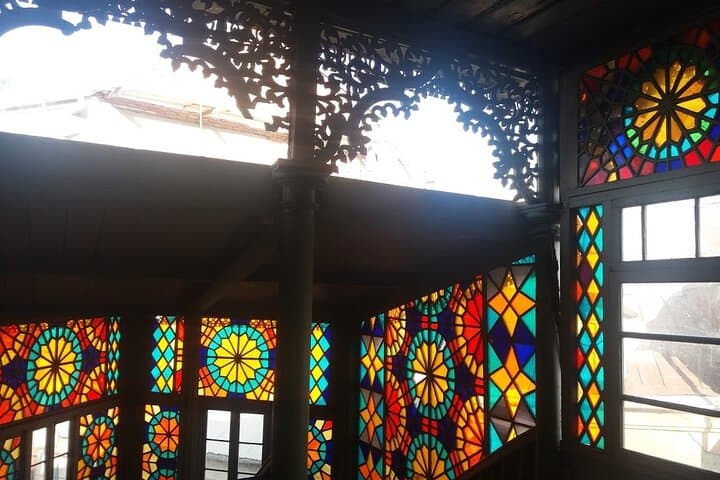
Tbilisi’s Old Town sits on layers of history. Founded in the 5th century, the district grew around natural hot springs; the bath quarter still steams from thermal water that once defined everyday life and ritual. Narikala’s walls echo Persian, Georgian and Russian chapters; nearby streets show 19th-century brick and wooden balconies carved in local styles. Wine, older than many empires here, appears not as novelty but as cultural ritual—expect a focused tasting in a historic cellar.
Geologically, Tbilisi occupies a gorge cut by the Mtkvari River, where limestone outcrops and springs shape the urban grain. Culturally the city is a crossroads—Armenian, Georgian Orthodox, Muslim and Jewish threads all visible in architecture and food.
Practical guidance: this private tour typically takes 3–5 hours and covers steep, cobbled streets and steps—good walking shoes matter. The cable car and wine tasting are included, but carry a small amount of local cash for snacks or souvenirs. Dress smart-casual and be ready for mixed weather; rain or shine the tour operates. Bring a reusable water bottle and wear layers for the breeze that comes off the river by sunset.
easy.
3–5 hours.
Suitable for most fitness levels but requires comfortable walking and ability to manage stairs and short steep sections.
Yes—this tour includes the cable car ride up to Narikala Fortress as part of the itinerary.
A wine tasting in an old cellar is included; guides can arrange a non-alcoholic alternative if requested in advance.
The tour is family-friendly but involves hilly, cobbled streets and stairs—consider mobility and bring breaks if needed.
The tour may be operated by a multilingual guide; check booking details and request your preferred language at reservation time.
Tbilisi grew around hot springs and was formally established by Vakhtang I in the 5th century; Narikala and the sulfur baths reflect centuries of Persian, Byzantine and Georgian influence.
Old Town’s historic fabric is fragile—stay on marked paths, reduce litter, and support local businesses and traditional bathhouses to help sustain the area.
Profkurorti Ltd operates guided outdoor trips and adventures with an emphasis on safety, stewardship, and memorable experiences.
You step off Baratashvili Street and the city pulls you in—narrow stone lanes, the distant bell of Metechi Cathedral, and steam drifting from the sulfur baths like a dare to explore. The guide threads stories into the walk: puppet shows at Gabriadze, the arched steel of the Peace Bridge, and the climb by cable car to Narikala where the city spreads below like a living map.
You step off Baratashvili Street and the city pulls you in—narrow stone lanes, the distant bell of Metechi Cathedral, and steam drifting from the sulfur baths like a dare to explore. The guide threads stories into the walk: puppet shows at Gabriadze, the arched steel of the Peace Bridge, and the climb by cable car to Narikala where the city spreads below like a living map.
Tbilisi’s Old Town sits on layers of history. Founded in the 5th century, the district grew around natural hot springs; the bath quarter still steams from thermal water that once defined everyday life and ritual. Narikala’s walls echo Persian, Georgian and Russian chapters; nearby streets show 19th-century brick and wooden balconies carved in local styles. Wine, older than many empires here, appears not as novelty but as cultural ritual—expect a focused tasting in a historic cellar.
Geologically, Tbilisi occupies a gorge cut by the Mtkvari River, where limestone outcrops and springs shape the urban grain. Culturally the city is a crossroads—Armenian, Georgian Orthodox, Muslim and Jewish threads all visible in architecture and food.
Practical guidance: this private tour typically takes 3–5 hours and covers steep, cobbled streets and steps—good walking shoes matter. The cable car and wine tasting are included, but carry a small amount of local cash for snacks or souvenirs. Dress smart-casual and be ready for mixed weather; rain or shine the tour operates. Bring a reusable water bottle and wear layers for the breeze that comes off the river by sunset.