THE ADVENTURE COLLECTIVE® · Independent discovery and booking for outdoor travel

Walk through Tbilisi’s layered history on a relaxed 2–2.5 hour guided tour that covers Freedom Square, Narikala Fortress, the Gabriadze Clock Tower and a secret city waterfall. Ideal for first-time visitors who want panoramic views, cultural context and photo stops.
Walk through Tbilisi’s layered history on a relaxed 2–2.5 hour guided tour that covers Freedom Square, Narikala Fortress, the Gabriadze Clock Tower and a secret city waterfall. Ideal for first-time visitors who want panoramic views, cultural context and photo stops.
Morning light slices across the Mtkvari River and the steps of Freedom Square as your guide gathers the group. Cobbled lanes curl uphill toward crumbling churches, brass domes, and a clock tower that seems to lean just to tell a better story. The city presses-history, geology and daily life-into tight quarters: thermal baths steam behind brick domes, ancient stone walls perch on volcanic outcrops, and narrow balconies offer quiet witness to passing trams.
Verified experiences and guided adventures in the surrounding area.
Operated by Wonder Caucasus Tours · Tbilisi, Tbilisi
Morning light slices across the Mtkvari River and the steps of Freedom Square as your guide gathers the group. Cobbled lanes curl uphill toward crumbling churches, brass domes, and a clock tower that seems to lean just to tell a better story. The city presses-history, geology and daily life-into tight quarters: thermal baths steam behind brick domes, ancient stone walls perch on volcanic outcrops, and narrow balconies offer quiet witness to passing trams.
Tbilisi’s origins are part legend—King Vakhtang Gorgasali is said to have founded the city after discovering hot springs—and part strategic geography, a crossroads between Europe and Asia. The walk threads Ottoman, Persian and Russian architectural notes with Georgian Orthodox shrines; the Narikala Fortress sits on basalt bluffs formed by ancient volcanic activity, watching over neighborhoods that evolved around sulfur springs in Abanotubani.
You’ll pass the playful Gabriadze Clock Tower, cross the glass Bridge of Peace, pause at a petite urban waterfall, and climb for panoramic views from Narikala. Along the way guides will unpack social history: why sulfur baths shaped settlement patterns, how Soviet-era planning altered streets, and how contemporary cafés reclaim façades.
Practical side: expect 4–5 km of mostly paved and uneven surfaces with several short stair climbs—comfortable shoes matter. Tours run 2–2.5 hours at a relaxed pace; bring water, a light layer for changing weather, and a camera with enough charge. Mid-morning or late afternoon offers the best light and thinner crowds. The route ends at lively Gudiashvili Square, easy to continue exploring independently or to catch public transport back to central hotels.
easy.
2–2.5 hours.
Suitable for most fitness levels; expect short stair climbs and steady walking on uneven pavement.
The route covers roughly 4–5 km over paved and uneven surfaces, with several short stair climbs and viewpoint stops.
Yes—it's a leisurely pace and family-friendly, but participants should be able to manage stairs and uneven ground.
The tour itself is prepaid, but small amounts of local currency are handy for tipping, snacks, or small entry donations.
Guides can modify parts of the route, but some viewpoints (like Narikala) require climbs; contact the operator before booking to discuss accessibility.
Tbilisi grew around natural hot springs; legend credits King Vakhtang Gorgasali with founding the city after his falcon discovered the sulfur baths.
Historic districts face pressure from tourism and renovation—stick to marked paths, avoid touching fragile façades, and support local cafés that reinvest in restoration.
Wonder Caucasus Tours operates guided outdoor trips and adventures with an emphasis on safety, stewardship, and memorable experiences.
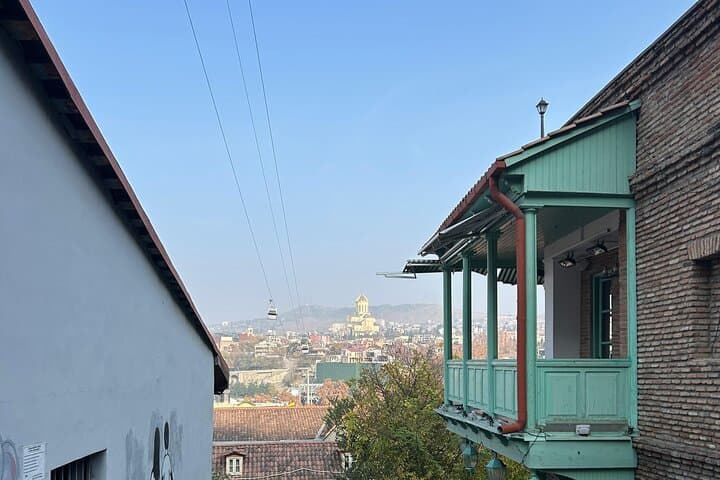
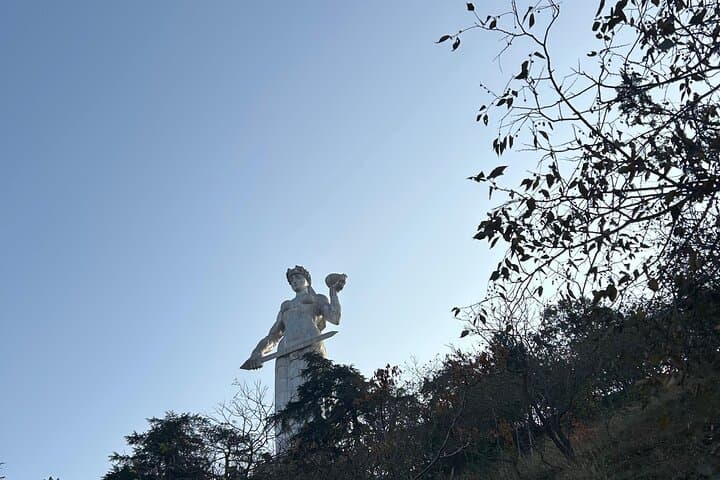
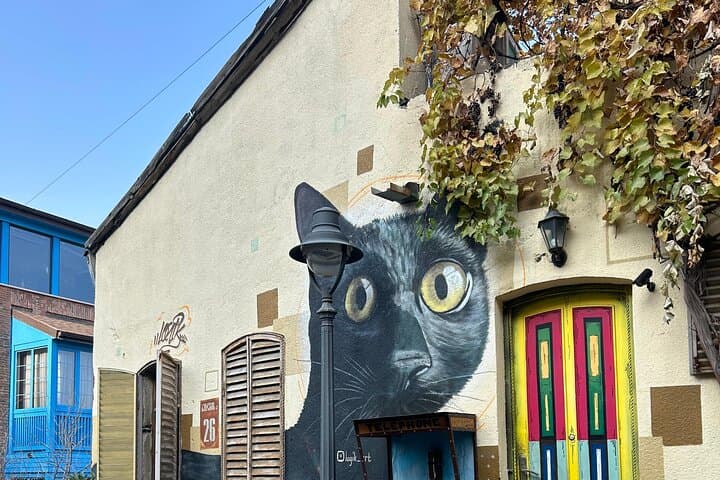
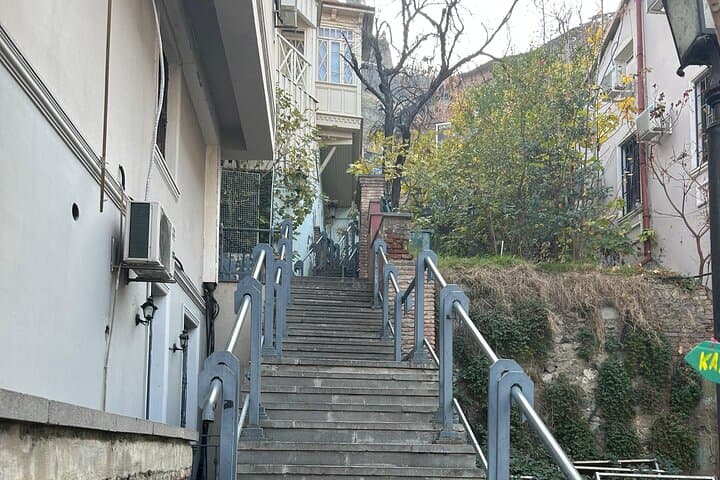
Morning light slices across the Mtkvari River and the steps of Freedom Square as your guide gathers the group. Cobbled lanes curl uphill toward crumbling churches, brass domes, and a clock tower that seems to lean just to tell a better story. The city presses-history, geology and daily life-into tight quarters: thermal baths steam behind brick domes, ancient stone walls perch on volcanic outcrops, and narrow balconies offer quiet witness to passing trams.
Morning light slices across the Mtkvari River and the steps of Freedom Square as your guide gathers the group. Cobbled lanes curl uphill toward crumbling churches, brass domes, and a clock tower that seems to lean just to tell a better story. The city presses-history, geology and daily life-into tight quarters: thermal baths steam behind brick domes, ancient stone walls perch on volcanic outcrops, and narrow balconies offer quiet witness to passing trams.
Tbilisi’s origins are part legend—King Vakhtang Gorgasali is said to have founded the city after discovering hot springs—and part strategic geography, a crossroads between Europe and Asia. The walk threads Ottoman, Persian and Russian architectural notes with Georgian Orthodox shrines; the Narikala Fortress sits on basalt bluffs formed by ancient volcanic activity, watching over neighborhoods that evolved around sulfur springs in Abanotubani.
You’ll pass the playful Gabriadze Clock Tower, cross the glass Bridge of Peace, pause at a petite urban waterfall, and climb for panoramic views from Narikala. Along the way guides will unpack social history: why sulfur baths shaped settlement patterns, how Soviet-era planning altered streets, and how contemporary cafés reclaim façades.
Practical side: expect 4–5 km of mostly paved and uneven surfaces with several short stair climbs—comfortable shoes matter. Tours run 2–2.5 hours at a relaxed pace; bring water, a light layer for changing weather, and a camera with enough charge. Mid-morning or late afternoon offers the best light and thinner crowds. The route ends at lively Gudiashvili Square, easy to continue exploring independently or to catch public transport back to central hotels.