THE ADVENTURE COLLECTIVE® · Independent discovery and booking for outdoor travel

Get oriented in Tbilisi with a focused 90–120 minute walking tour that covers Freedom Square, Old Town lanes, Anchiskhati Basilica and a cable-car ride to Narikala. Practical tips on footwear, dress code and best times to visit help first-timers make the most of the route.
Get oriented in Tbilisi with a focused 90–120 minute walking tour that covers Freedom Square, Old Town lanes, Anchiskhati Basilica and a cable-car ride to Narikala. Practical tips on footwear, dress code and best times to visit help first-timers make the most of the route.
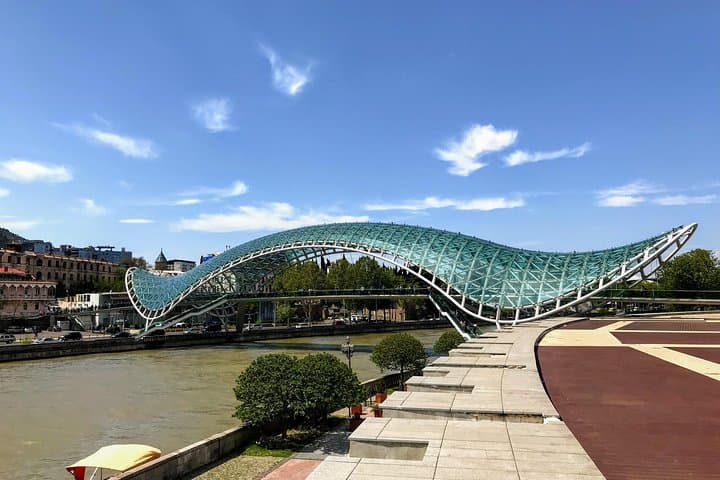
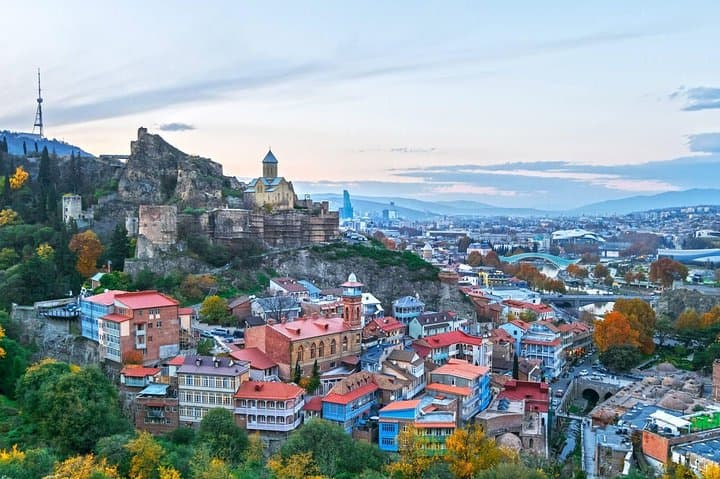
You step out of a narrow lane and the city reconfigures itself: red-tile roofs and carved wooden balconies spill toward the Mtkvari River, the Bridge of Peace gleaming ahead like a modern eyebrow over centuries of history.
Verified experiences and guided adventures in the surrounding area.
Operated by Friendly.ge: Transfers & Tours in Georgia · Tbilisi, Tbilisi
You step out of a narrow lane and the city reconfigures itself: red-tile roofs and carved wooden balconies spill toward the Mtkvari River, the Bridge of Peace gleaming ahead like a modern eyebrow over centuries of history.
This compact walking tour moves at an honest pace—90 to 120 minutes—threading Freedom Square, the Anchiskhati Basilica (a 6th-century survivor), the mosaic-touched Shardeni Street and the aerial tramway that lifts you toward Narikala’s fortress. The river dares you to slow down and watch Tbilisi’s layers unfold: Persian, Ottoman and Soviet traces rubbing shoulders with contemporary café life and avant-garde theater.
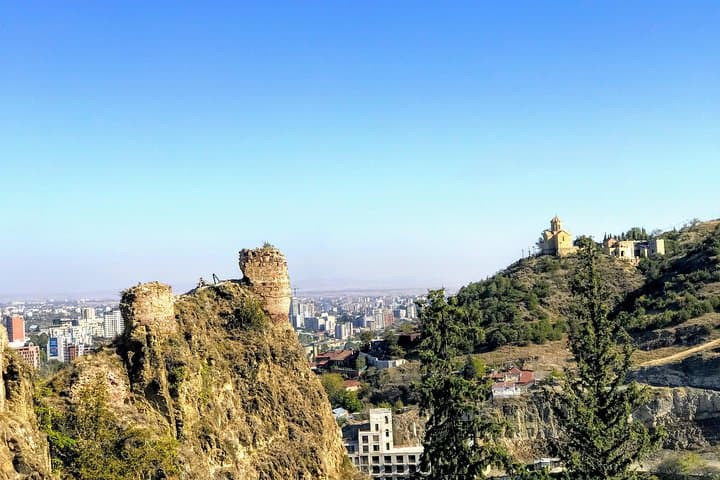
Geologically the city sits where the Lesser Caucasus foothills meet the river valley, the Sololaki slope offering viewpoints and Kartlis Deda keeping watch from her hilltop perch. Culturally, Tbilisi’s Old Town is a crossroads—Orthodox cathedrals, a Friday Mosque used by Sunni and Shia worshippers, and Armenian churches within short walking distance.
Practical guidance: wear sturdy, flat-soled shoes for cobblestones and short stair sections; carry water and light rain layer; the one-way cable car (included) saves a steep climb but expect steps at viewpoints. Dress respectfully for houses of worship—shoulders and knees covered—or risk denied entry. The route is city-side accessible but not recommended for travelers with significant spinal or cardiovascular issues.
Time your walk for morning or late afternoon to avoid midday heat and to catch softer light across the river. Bring curiosity; Old Tbilisi rewards slow observation as much as the landmarks themselves.
moderate.
1.5–2 hours.
Moderate—able to walk on uneven cobbles and climb short flights of stairs
Yes—the itinerary includes a one-way cable car/ aerial tram ride to Narikala as part of the tour.
Yes—there are cafes and public facilities in Rike Park and along Shardeni Street; ask your guide for the nearest stop.
The route involves cobblestones, uneven pavement and some steps; it may be challenging for those with reduced mobility—check accessibility needs with the operator.
Tipping is customary in Georgia; 5–10% or a small local-currency amount for a private walking tour is appreciated for excellent service.
Tbilisi’s Old Town grew around hot springs and a 5th-century foundation legend tied to King Vakhtang Gorgasali; its architecture reflects Persian, Byzantine and Soviet eras.
Tourism in Old Tbilisi stresses pedestrian routes and heritage preservation—stick to marked paths, avoid climbing on fragile structures and support local businesses to keep restoration viable.
Friendly.ge: Transfers & Tours in Georgia operates guided outdoor trips and adventures with an emphasis on safety, stewardship, and memorable experiences.
You step out of a narrow lane and the city reconfigures itself: red-tile roofs and carved wooden balconies spill toward the Mtkvari River, the Bridge of Peace gleaming ahead like a modern eyebrow over centuries of history.
You step out of a narrow lane and the city reconfigures itself: red-tile roofs and carved wooden balconies spill toward the Mtkvari River, the Bridge of Peace gleaming ahead like a modern eyebrow over centuries of history.
This compact walking tour moves at an honest pace—90 to 120 minutes—threading Freedom Square, the Anchiskhati Basilica (a 6th-century survivor), the mosaic-touched Shardeni Street and the aerial tramway that lifts you toward Narikala’s fortress. The river dares you to slow down and watch Tbilisi’s layers unfold: Persian, Ottoman and Soviet traces rubbing shoulders with contemporary café life and avant-garde theater.
Geologically the city sits where the Lesser Caucasus foothills meet the river valley, the Sololaki slope offering viewpoints and Kartlis Deda keeping watch from her hilltop perch. Culturally, Tbilisi’s Old Town is a crossroads—Orthodox cathedrals, a Friday Mosque used by Sunni and Shia worshippers, and Armenian churches within short walking distance.
Practical guidance: wear sturdy, flat-soled shoes for cobblestones and short stair sections; carry water and light rain layer; the one-way cable car (included) saves a steep climb but expect steps at viewpoints. Dress respectfully for houses of worship—shoulders and knees covered—or risk denied entry. The route is city-side accessible but not recommended for travelers with significant spinal or cardiovascular issues.
Time your walk for morning or late afternoon to avoid midday heat and to catch softer light across the river. Bring curiosity; Old Tbilisi rewards slow observation as much as the landmarks themselves.